
Reviewed · COPENHAGEN ATTRACTION PASSES & TICKETS
Copenhagen: Danish War Museum Entry Ticket
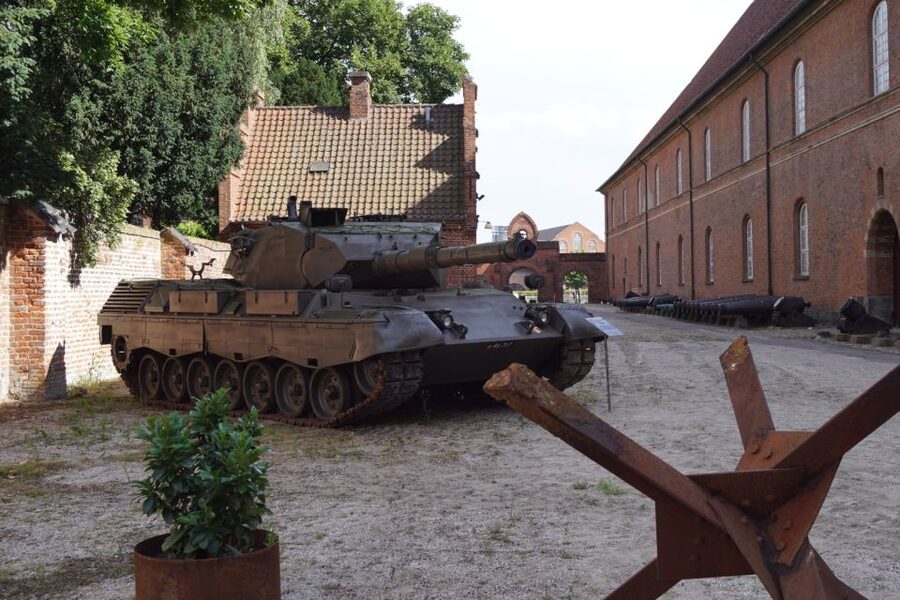
War history, but with human-scale artifacts. In Copenhagen, the Danish War Museum sits inside the old Tøjhus Arsenal, a sturdy armory built by Christian IV in 1604, and the museum’s layout makes you feel like you’re moving through centuries instead of reading about them. I like how the space does some of the guiding for you, especially once you reach the vast first-floor hall.
My favorite stop is the quiet contrast: you can relax in a hammock and listen to Danish stories from the seven seas. It’s a break from helmets, drills, and uniforms, but it still fits the overall theme of war, sailing, and survival.
One thing to plan for: there is currently no elevator to help you reach the exhibitions on the first floor, so you’ll want to think about stairs if that matters for you.
In This Review
- Key things I’d prioritize at this museum
- Tøjhus Arsenal in Christian IV’s 1604 armory setting
- Danish war history from the 1500s to modern conflicts
- The 163-meter first-floor hall (and how it shapes your visit)
- Armor, weapons, and three artifacts that hit differently
- Hammock time and Danish stories from the seven seas
- Drones and the future of war: the new spot exhibition
- Price and timing: is the $20 ticket worth it?
- Who should book this museum ticket (and who may want to adjust)
- Should you book the Danish War Museum entry ticket?
- FAQ
- How long do I need for the Danish War Museum?
- What does the $20 ticket include?
- Where is the Danish War Museum located?
- What years does the museum cover?
- Does the museum cover World War II, the Cold War, and modern conflicts?
- Is there a long hall you should know about?
- Can I relax in a hammock during my visit?
- What is the new drone spot exhibition about?
- Is there an elevator to reach the first-floor exhibitions?
- Can I bring a wheelchair or baby carriage?
- How do entry times work?
Key things I’d prioritize at this museum
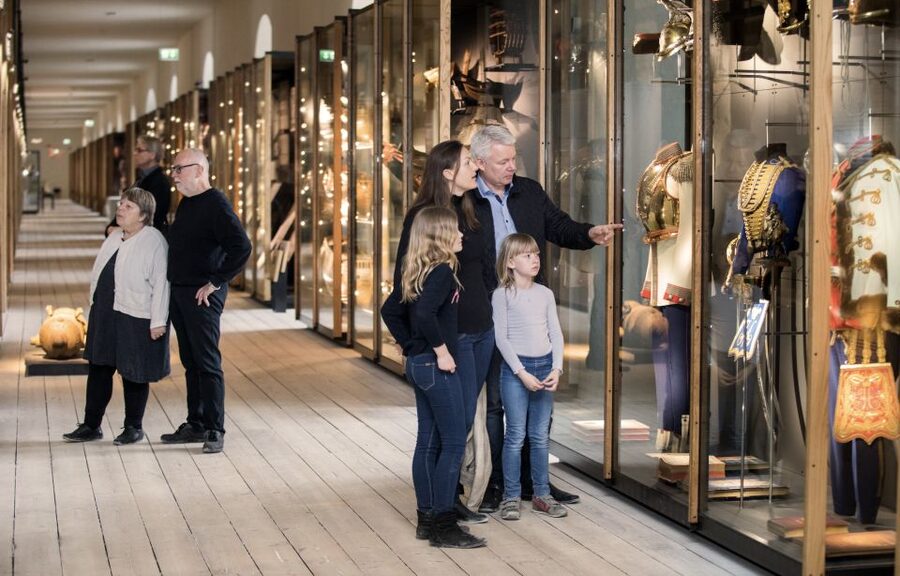
The 163-meter first-floor hall makes it easy to pace yourself and spot where the main galleries run.
A long, straight timeline covers Danish war history from the 1500s to modern conflicts, including the War in Afghanistan.
Shining knight armor and practical weapons give you a hands-on sense of what changed over time.
Odd, memorable artifacts include a ship model made of bones and a military car connected to an Afghanistan roadside bomb.
A new drone spot exhibition asks hard questions about unmanned warfare and civilian risk.
Tøjhus Arsenal in Christian IV’s 1604 armory setting
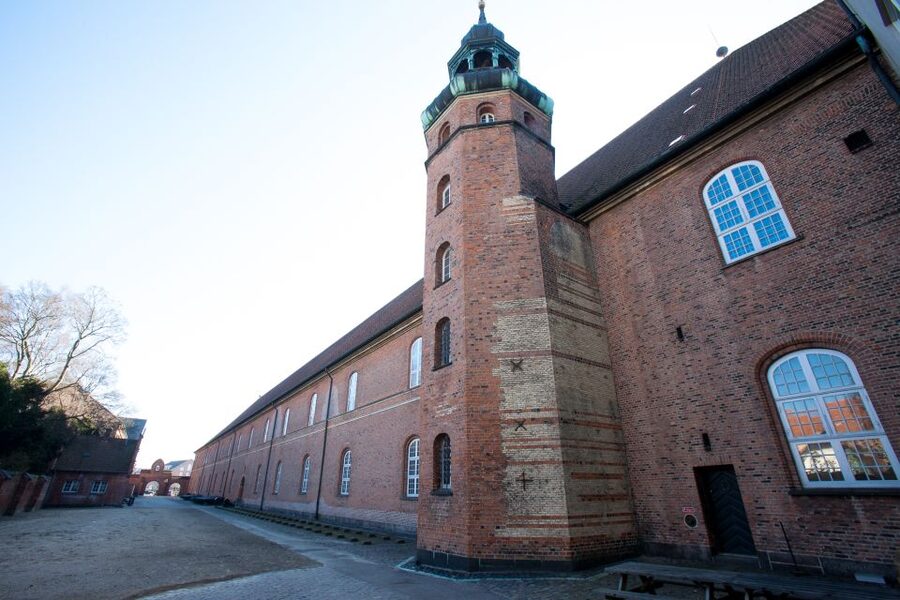
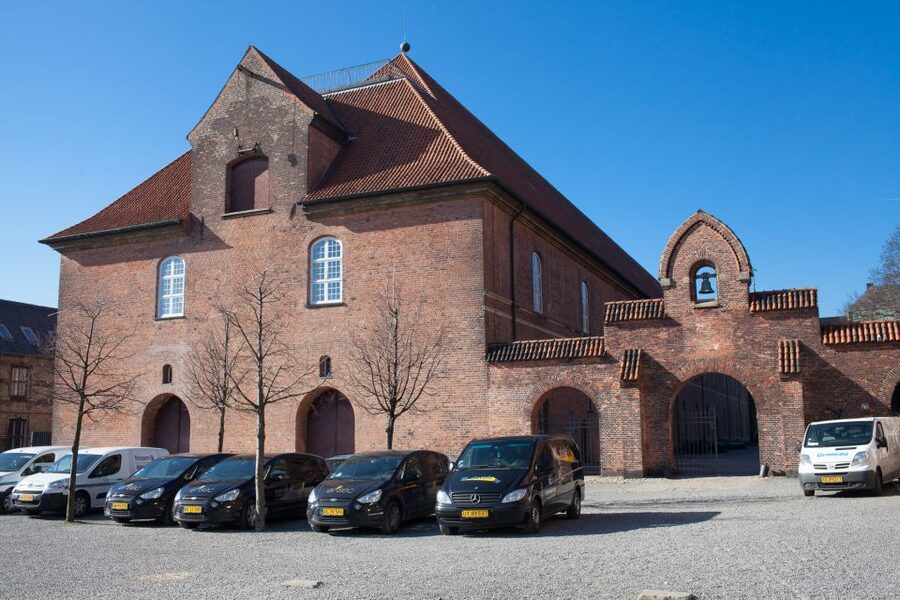
The Danish War Museum isn’t in a generic box. It’s in Tøjhus Arsenal, the historic arsenal building Christian IV built in 1604. That matters more than it sounds, because war museums can sometimes feel like they’re staged behind glass. Here, the building itself helps you understand why Denmark bothered to store weapons and plan defenses in this exact way.
When you enter, you’re not just walking into exhibits. You’re walking into a purpose-built structure meant for military readiness. The walls, the flow of rooms, and the way the museum uses space all support the theme: war as an ongoing project, not just a sequence of battles.
If you’re even slightly interested in architecture-as-context, you’ll appreciate that the museum sits in one of Copenhagen’s more believable settings for this topic. Also, the museum is part of the Zealand Region experience, so you can pair it with other Copenhagen stops on the same day without feeling like you’re going out of your way.
Practical note: since the museum’s key exhibitions include the first floor (with that 163-meter hall), plan for stairs if you’re visiting with mobility limits. You can bring your own wheelchair or baby carriage, which is helpful, but the no-elevator situation is still something to factor in early.
More Copenhagen attractions worth the ticket



Danish war history from the 1500s to modern conflicts
The museum’s main strength is time coverage. You’re looking at Danish war history from the 1500s through today, including Denmark’s involvement in the War in Afghanistan. That long stretch is useful because it lets you see patterns: how conflicts shift from local power struggles to global entanglements, and how technology changes the way a “weapon” is built, carried, and used.
As you move through the exhibits, you’ll encounter major eras called out in the collection, including:
- the 17th-century war with the Swedes
- the 19th-century conflict with the English
- impacts of World War II and the Cold War
- Denmark’s role in 21st-century conflicts
I like this approach because it avoids the feeling that “war history” only means the biggest headline war. Instead, you get a sense of Denmark as a country that has been pulled into conflict again and again, often through alliances, neighbors, and shifting strategies.
One tip for your visit: don’t try to read every label first thing. Choose a lane. If you’re into the early periods, focus on knight armor and older weaponry, then branch to the modern galleries later. If you’re more interested in the technology side, jump ahead to the areas that connect past materials to present warfare. Either way, you’ll feel more in control of what you’re seeing.
The 163-meter first-floor hall (and how it shapes your visit)
The museum’s layout includes a 163 meters long first-floor hall, described as the longest room in the Nordics. That’s not a trivia flex. It affects the experience in a real way.
First, the hall gives you a big continuous walking space where you can get your bearings fast. You’re not zig-zagging constantly or getting forced into tiny rooms. Instead, you get a long corridor-like flow, and that makes it easier to pace yourself when you’re deciding what to stop for.
Second, the hall helps you understand the “big scale” idea behind war history. Battles and campaigns involve movement, supply, and scale. A long room does the same thing for your brain. You can take a step back, look across spaces, and decide where you want to go next.
Because the first-floor exhibitions are central, it also means your access planning matters. If stairs are a challenge, this is where you might need to slow down your planning, since there is currently no elevator to reach the first-floor exhibitions. If you can handle stairs, wear comfortable shoes and give yourself time. This is one of those museums where rushing turns into missing details.
Armor, weapons, and three artifacts that hit differently
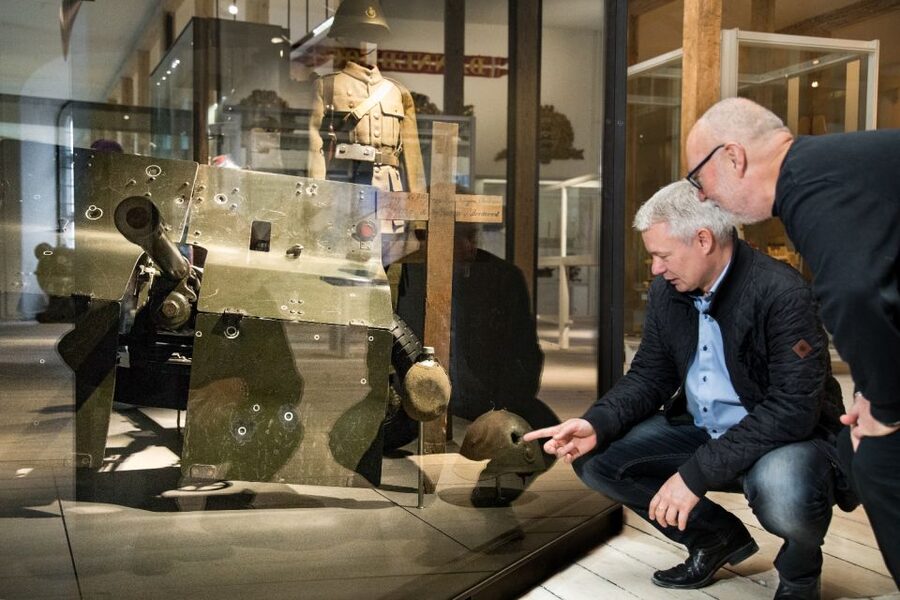
You’ll see armor and weapons used across centuries, including the shining armor of 15th-century Danish knights. The visual impact is obvious. What’s less obvious, and more interesting, is what the armor implies: not just power, but the cost, training, and careful design behind it.
The museum’s exhibits also include a few unusual artifacts that make the history feel oddly personal. Here are three standouts that I think you’d be wise to seek out instead of letting them blend into the background:
1) A ship model made of bones
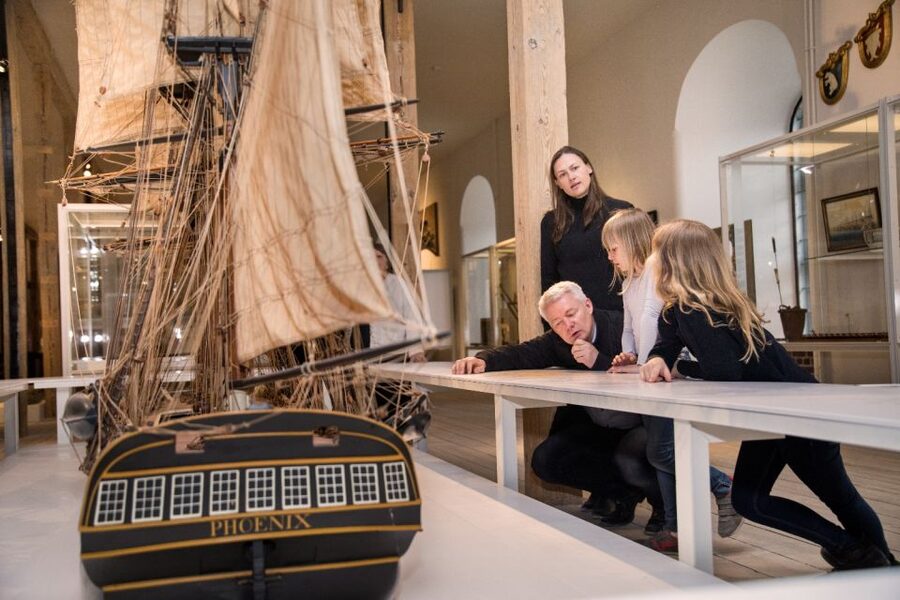
This is one of those details that stops you mid-walk. It ties war to survival and the sea, and it visually underlines that conflict leaves marks on bodies and material long after the battle ends.
2) A 150-year-old Biscuita military car tied to Afghanistan
You’ll see a 150-year-old biscuita military car that ran over a roadside bomb in Afghanistan, with everyone surviving. The point isn’t just the shock value. It’s the way the exhibit connects eras and highlights how protection, planning, and engineering can change outcomes in real life.
3) The world’s only complete example of an American Civil War uniform
Seeing a complete uniform presented this way changes how you think about what a museum artifact can do. It’s not a partial guess or a broken remnant. It’s a full object that helps you picture construction, fit, and how uniforms functioned as both gear and identity.
These kinds of items are why the museum reads as more than a timeline. You’re not only learning dates. You’re looking at materials, design choices, and real-world consequences. That’s what makes it feel practical and memorable instead of like a lecture.
Hammock time and Danish stories from the seven seas

After the heavy galleries, the museum gives you a calmer moment. You can relax in a hammock and listen to Danish stories from the seven seas.
This isn’t just a comfort feature. It’s a smart change of pace. War museums often stay locked in a single emotional register. Here, the stories help you connect naval life, danger, and national identity without needing to push your brain through another wall of equipment.
If you enjoy museums that include storytelling in addition to displays, this part is worth planning around. For example, take it after you’ve spent time on armor or battlefield-related sections. You’ll come back with clearer attention, and the museum will feel less exhausting.
Also, since it’s seated and relaxed, it’s a good option if you’re visiting with kids, anyone tired of standing, or anyone who likes museum breaks built into the schedule.
More of the Danish story, told street by street






Drones and the future of war: the new spot exhibition
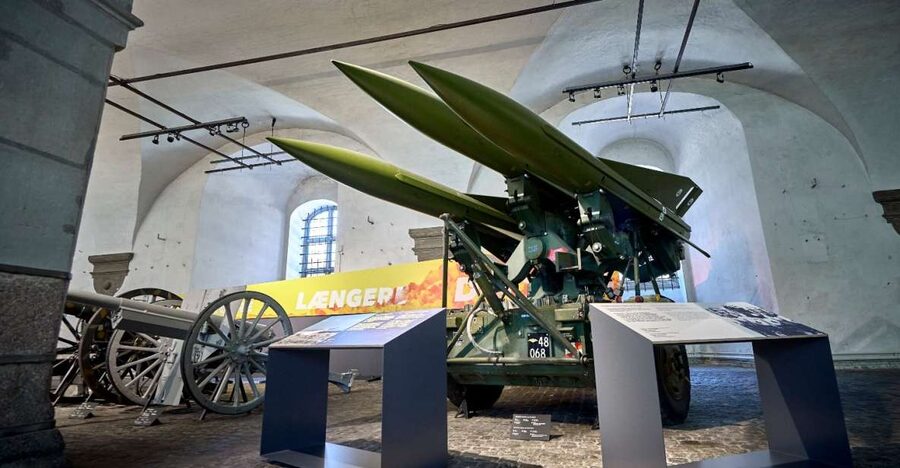
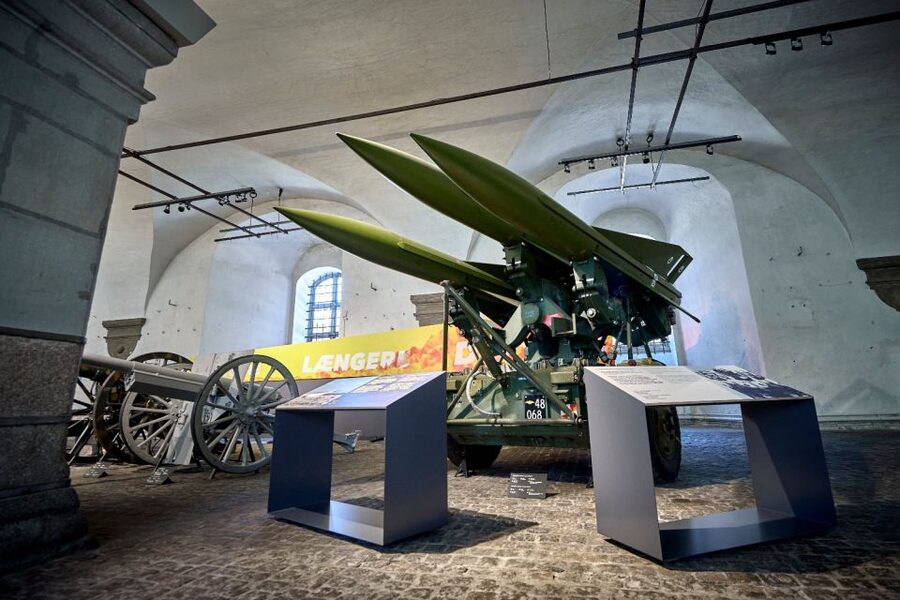
The museum has launched a new spot exhibition: Have drones changed the way we wage war? It focuses on how unmanned aerial weapons affect modern conflict, including what drone surveillance and targeting can do to both soldiers and civilians.
The exhibit frames drones as weapons that spread fear because they use cameras and sensors to monitor and drop bombs. It also raises disturbing questions about autonomy, asking whether the future could involve unmanned systems that operate on their own, and what that means for safety.
There’s also a practical angle: the exhibit discusses defense systems available through Danish defense, and how those defenses might help in stopping drone attacks.
I like this section because it avoids treating drones like science fiction. It gives you a way to connect today’s headlines to deeper ethical and tactical issues. Even if you’re not a tech person, you’ll likely leave thinking more clearly about how remote sensing and precision change the human scale of war.
Price and timing: is the $20 ticket worth it?
The entry ticket is priced at $20 per person, and you can use it for 1 day. You reserve a spot and then pay later, and there are starting times based on availability.
Is it good value? For me, the answer is yes if you like museums that do more than display. This one covers centuries, includes a long physical hall, and adds special features like the hammock storytelling and the drone spot exhibition. You’re not paying for a single “wow room.” You’re paying for a full, self-paced pass through a long narrative.
One more practical angle: if you only have a short window in Copenhagen and want a museum that can fill a full day without feeling padded, this fits well. Plan on spending enough time to see both the older artifacts and the modern sections, otherwise the timeline won’t land as strongly.
Also, keep in mind that a major chunk of the experience is on the first floor, and there is currently no elevator. That doesn’t change the value, but it can change how pleasant the visit is for you.
Who should book this museum ticket (and who may want to adjust)

This ticket is a strong match if you:
- enjoy seeing how war changed across time
- like armor, weapons, and specific artifacts (not just broad political history)
- want a museum with standout moments, like the hammock pause
- are curious about modern warfare themes, especially drones
It’s also good if you’re visiting Copenhagen with limited time and want one museum that can hold your attention for a full day. The timeline coverage from the 1500s to present conflicts makes it flexible: you can focus on the eras you care about most.
The main group that should adjust expectations is anyone who needs step-free access to the first-floor exhibitions. With no elevator currently available, you may need help planning an alternative route or deciding whether this is the right day trip.
Should you book the Danish War Museum entry ticket?
Book it if you want a museum in a real historical armory building and you like learning through objects, not just text. The long 163-meter hall, the 1500s-to-today timeline, and the blend of unusual artifacts with a modern drone exhibition give the visit a full arc.
Skip or reconsider if you know you’ll struggle with stairs, since the first-floor exhibitions are central and there’s currently no elevator. If you’re comfortable with that, though, the $20 ticket is a fair trade for a lot of content in one place.
If you’re the type who likes your history factual, visual, and slightly odd in the best way, this one belongs on your Copenhagen list.
FAQ
How long do I need for the Danish War Museum?
The ticket is valid for 1 day, so plan to spend most of your day there if you want to see a broad mix of exhibits.
What does the $20 ticket include?
It includes museum entry. You’re paying for access to the museum’s exhibitions for your chosen day.
Where is the Danish War Museum located?
It’s located in the historic Tøjhus Arsenal building in Copenhagen, Denmark.
What years does the museum cover?
The exhibitions cover Danish war history from the 1500s up to present day, including the War in Afghanistan.
Does the museum cover World War II, the Cold War, and modern conflicts?
Yes. You’ll find sections on World War II and the Cold War, plus Denmark’s role in 21st-century conflicts.
Is there a long hall you should know about?
Yes. The first-floor hall is 163 meters long, and it’s described as the longest room in the Nordics.
Can I relax in a hammock during my visit?
Yes. You can relax in a hammock and listen to Danish stories from the seven seas.
What is the new drone spot exhibition about?
The spot exhibition asks whether drones have changed the way we wage war and explores what drones mean for today’s conflicts and the battlefield of the future.
Is there an elevator to reach the first-floor exhibitions?
No. The museum currently has no elevator to help people reach the exhibitions on the first floor.
Can I bring a wheelchair or baby carriage?
Yes. You can bring your own wheelchair or baby carriage.
How do entry times work?
The ticket is valid for 1 day, and starting times depend on availability when you check and reserve.
More Tour Reviews in Copenhagen






More Danish History & Stories
More Passes & Attraction Tickets



Fresh Off the Cobbles: The Newest Copenhagen Reviews












Copenhagen Attraction Passes & Tickets, compared.
 ★ 4.5Copenhagen Card – DISCOVER 80+ attractions and public transportFrom $951,124 reviews
 ★ 4.7Home of Carlsberg Experience Entry TicketFrom $351,009 reviews
 ★ 4.6Copenhagen Zoo Entry TicketFrom $39708 reviews
 ★ 4.0Copenhagen Bus and Boat ticket, Valid 48 HoursFrom $63565 reviews
 ★ 4.2Hard Rock Cafe with Set Menu for Lunch or DinnerFrom $39437 reviews
 ★ 4.2City Card with 40+ Attractions & Hop-On/Off BusFrom $94403 reviews
 ★ 4.6Rosenborg Castle Entry TicketFrom $23381 reviews
 ★ 5.0Skip the Line: Disgusting Food Museum Entrance TicketFrom $25359 reviews
Browse the lists this tour appears in