
Reviewed · DANISH HISTORY & LITERARY TRAILS
Copenhagen: Danish-Jewish History Tour
Jewish history in Denmark comes with real street-level detail. This Danish-Jewish History Tour ties names, places, and turning points into one focused walking experience across Copenhagen’s center. You’ll trace synagogues and prayer rooms, see where Jewish neighborhoods once were, and end up at the Great Synagogue of Copenhagen (Egyptian Revival style), with WWII history woven in at the right pace.
I especially like the tour’s clear storyline, starting at the arrival of Danish Jews in 1622 and moving forward into culture, art, and public life. I also like that the guide handles sensitive topics carefully while keeping the walk practical and question-friendly, with the kind of explanations that make you feel oriented fast.
One drawback to consider: this is not a light sightseeing stroll. The WWII material includes the reality of Nazi occupation and the rescue in October 1943, so it may feel heavy if you prefer purely upbeat stops.
In This Review
- Key highlights you’ll care about
- Why Danish-Jewish survival numbers still shape Copenhagen
- A 2.5-hour walking route through synagogues and old Jewish neighborhoods
- From 1622 to modern Danish life: names and places you’ll remember
- H.C. Andersen, the Melchior family, and the people behind art movements
- WWII in October 1943: the rescue story told with care
- Great Synagogue of Copenhagen: what you’ll see and what you’ll need
- The private guide effect: logic, questions, and smart local tips
- Price and value: why $129 can make sense for a 2.5-hour private walk
- Practical planning tips before you go
- Who this tour suits best, and who might not
- Should you book this Copenhagen Danish-Jewish History Tour?
- FAQ
- How long is the Copenhagen Danish-Jewish History Tour?
- What does the tour cost?
- Is this a private tour?
- Which languages are offered?
- Is entrance to the Great Synagogue of Copenhagen included?
- Is hotel pickup included?
- Is the tour suitable for children?
- FAQ
- What if I need to cancel?
- Can I pay later?
- Is the tour wheelchair accessible?
- What should I bring?
- What if I’m looking for relatives or historical records?
- What topics will I learn about?
- Are there any starting time options?
Key highlights you’ll care about

- A private 2.5-hour walk through Copenhagen’s Danish-Jewish sites with a live guide
- Central Copenhagen stops tied to synagogues, prayer rooms, and former Jewish neighborhoods
- WWII focus on October 1943, including the rescue of 97% of Danish Jews
- Great Synagogue of Copenhagen viewing, with ticket entry not included
- Smart guide energy: logical flow, openness to questions, and useful local food tips
- Hotel pickup offered and a wheelchair-accessible route
Why Danish-Jewish survival numbers still shape Copenhagen

Some statistics feel like trivia until you see what they changed. The headline fact here is simple and staggering: 97% of Danish Jews survived the Nazi occupation period. On this tour, that number isn’t treated like a poster slogan. It’s used as a doorway into Denmark’s social fabric and the Jewish community’s role in everyday life.
I like how the story doesn’t stay locked in war years. You get threads that connect to music, science, and art—people you already might know in Denmark, and some you’ll learn for the first time. That balance matters because it keeps the history human, not just tragic or ceremonial.
More of the Danish story, told street by street

A 2.5-hour walking route through synagogues and old Jewish neighborhoods
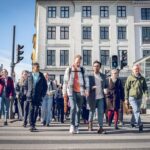
This is a walking tour, and the walking is the point. You’ll cover central Copenhagen on foot, moving between places linked to Danish-Jewish life over time, from earlier prayer spaces to later landmarks. Expect a steady pace designed for understanding, not a sprint designed for photos.
Along the way, you trace synagogues and prayer rooms in the city. In practical terms, that means you’ll look at buildings and locations as clues—why a community built here, what it needed, and how it adapted as Copenhagen changed around it. If you like history you can point to on the map, this format works well.
You also visit former Jewish ghetto areas. The tour doesn’t turn those locations into a museum vibe; it frames them as part of a lived geography. Still, one consideration: because the route is on foot, comfortable shoes matter. Bring water too, and dress for the weather so you can focus on the story instead of your feet.
From 1622 to modern Danish life: names and places you’ll remember

The tour starts with the arrival of Danish Jews in 1622, then builds a timeline you can actually follow. That starting point is useful because it gives you a baseline. Without it, you’d only see later synagogues and WWII sites and miss how long the community had already been woven into Danish life.
As you walk, you connect Jewish contributions to recognizable parts of Denmark. The tour highlights commercial and cultural touchstones like Tuborg Beer and Bang & Olufsen porcelain, which makes the history feel grounded rather than abstract. You also hear about scientists and artists such as Niels Bohr, Victor Borge, and Georg Brandes, so the story includes ideas—not only institutions.
The best part of this kind of pacing is that it prevents the “two different Copenhagen cities” problem. You don’t only learn about one era, and then another. You see how earlier settlement and later resilience lead to what Copenhagen feels like today.
H.C. Andersen, the Melchior family, and the people behind art movements
You’ll also get cultural detours that don’t feel like random filler. One strand is the friendship between H.C. Andersen and the Melchior family, in whose care he passed away. That detail makes Copenhagen feel personal, like the city is tied to relationships, not just monuments.
Another thread focuses on art patronage through Heinrich and Pauline Hirschsprung and their influence on Danish Impressionism. This works because it shows how Jewish community life shaped Danish culture beyond visible landmarks. It’s the kind of information that can unlock later museum visits too, since you’ll recognize the names as you move through Copenhagen’s art spaces.
If you enjoy walking tours where the guide links history to broader Danish culture, you’ll probably love these stop themes. They turn Copenhagen from a set of sights into a network of stories.
WWII in October 1943: the rescue story told with care
Here’s where the tour becomes more solemn. Over a few short weeks in October 1943, the vast majority of Danish Jews were smuggled out from under German occupiers and to safety. The tour frames what happened as a major turning point, not as a footnote.
I like that the guide keeps the narrative focused and organized. You get key context without losing the human scale of the events. The result is a walking experience where you understand why you’re standing in certain places, not just that the places are “important.”
A heads-up: sensitive history is the nature of this tour. If you’re easily overwhelmed by WWII material, you might want to mentally plan for that. On the other hand, if you prefer real context instead of polished, surface-level sightseeing, this is exactly the kind of guided structure that helps you process what you’re hearing.




Great Synagogue of Copenhagen: what you’ll see and what you’ll need
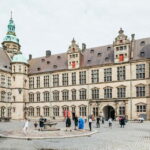
The highlight stop is the Great Synagogue of Copenhagen, known for its Egyptian Revival style. Even when entry isn’t included, the outside and the setting carry weight because of what the tour has already built in your mind. By the time you reach it, you’re not just looking at architecture. You’re placing a community’s story into a visible landmark.
Important practical point: entrance to the Great Synagogue is not included. The tour does say it helps you skip the ticket line, but it won’t automatically cover admission. If you want to go inside and you know you will, plan for that extra cost so the visit doesn’t become a last-minute decision.
Also note the tour is listed as not suitable for children under 6. That’s often because younger kids can’t sit through guided historical context comfortably, and this one includes serious subject matter.
The private guide effect: logic, questions, and smart local tips
This is a private group experience with a live guide. Languages include English, German, Danish, Swedish, and French, which is handy if your travel group has mixed language comfort. A private setup also gives you space to ask questions without watching the guide “catch up” to the standard script.
The reviews tied to this tour have one consistent theme: guides with strong knowledge and a logical presentation. One guide name that stands out is Gitta, described as passionate and very knowledgeable, with a tour structure that was open to questions. Even beyond the history, that kind of guide is useful because you learn how to connect details as you walk, rather than collecting facts you can’t place.
There’s also a practical local-food side benefit. Gitta’s recommendations included a bakery and a sausage food truck near the tour, plus a vegetarian option: a veggie sausage sandwich with everything on it. If you like tours that end with a plan for what to eat, tuck that energy into your schedule.
Price and value: why $129 can make sense for a 2.5-hour private walk
Let’s talk money without hand-waving. The price is $129 per person for a 2.5-hour private historical walking tour. On paper, that can feel steep compared with group tours. In practice, private guiding is often worth it when the topic is specific and sensitive—because you want good pacing, clear explanations, and the ability to ask follow-ups.
You also get extras that boost value: a private tour guide is included, and hotel pickup is offered. Pickup matters in Copenhagen, where you can spend more time aligning transport than learning. The time you save can be the difference between a good afternoon and a rushed one.
One more value point: the tour includes skipping the ticket line (for the synagogue visit portion), which reduces the friction that often ruins good historical plans. And because the tour is wheelchair accessible, you’re less likely to hit an avoidable logistics snag if mobility needs are part of your planning.
Practical planning tips before you go
This tour is designed to be weather-aware, but your comfort still depends on you. Bring comfortable shoes for walking, water to stay steady during the route, and weather-appropriate clothing because Copenhagen weather likes to change its mind.
If you’re specifically seeking relatives or historical records, there’s a note to flag that goal with the guide. That’s one of those smart bits that can make the experience feel more personal, even if you don’t leave with documents in hand.
Finally, the tour is offered across different starting times. If you have other museum or meal plans, pick the slot that gives you room afterward for a longer wander. This is the kind of tour where you’ll want to keep thinking while you walk around on your own.
Who this tour suits best, and who might not
I think this tour fits best if you want history you can see on the street and connect to culture. You’ll enjoy it if you like walking tours that explain the “why” behind buildings and neighborhoods, and if you’re interested in how Danish-Jewish life evolved from 1622 through WWII and into modern Copenhagen.
It’s also a strong match for visitors who want serious content handled responsibly. A balanced approach helps: you get contributions to Danish public life, then you get WWII facts in a way that supports understanding.
Who might choose something else? If you want purely visual sightseeing with minimal context, this may feel like too much information for a relaxed day. And if you’re traveling with very young kids, the under-6 limit is a clear signal that the pacing and subject matter may not fit.
Should you book this Copenhagen Danish-Jewish History Tour?
If you’re drawn to Danish history with real human stakes, I’d book it. The mix of cultural names, synagogue and neighborhood locations, and the October 1943 rescue story makes the tour feel purposeful, not random. You also get the private guide advantage, which matters a lot when the topics are heavy and the details need to land clearly.
Do it if you want a guided walk that helps you look at Copenhagen differently: not just as pretty streets and photos, but as a place shaped by people, decisions, and community survival. Just plan for good walking shoes, be ready for WWII seriousness, and remember that Great Synagogue entry isn’t included in the tour cost.
FAQ
How long is the Copenhagen Danish-Jewish History Tour?
The tour lasts 2.5 hours.
What does the tour cost?
The price is $129 per person.
Is this a private tour?
Yes. It’s a private group experience.
Which languages are offered?
The live guide can speak English, German, Danish, Swedish, and French.
Is entrance to the Great Synagogue of Copenhagen included?
No. Entrance to the Great Synagogue of Copenhagen is not included, though it’s noted that you can skip the ticket line.
Is hotel pickup included?
Hotel pickup is offered.
Is the tour suitable for children?
It is not suitable for children under 6.
FAQ
What if I need to cancel?
Free cancellation is available up to 24 hours in advance for a full refund.
Can I pay later?
Yes. There’s a reserve now & pay later option, so you can book your spot without paying immediately.
Is the tour wheelchair accessible?
Yes, it’s listed as wheelchair accessible.
What should I bring?
Bring comfortable shoes and water, and dress for the weather.
What if I’m looking for relatives or historical records?
Let the provider know, since the tour notes mention this is something to flag during your visit.
What topics will I learn about?
You’ll cover Danish-Jewish history from early arrival in 1622, cultural contributions, synagogues and prayer rooms, former Jewish neighborhoods, and WWII—especially the October 1943 rescue of 97% of Danish Jews.
Are there any starting time options?
Starting times depend on availability, so check dates to see which departure works best for you.
More Tours in Copenhagen


More Tour Reviews in Copenhagen
More Danish History & Stories



Fresh Off the Cobbles: The Newest Copenhagen Reviews










Danish History & Literary Trails, compared.
 ★ 5.0Private Walking Classical Tour of CopenhagenFrom $276273 reviews
 ★ 4.7Danish War Museum Entry TicketFrom $20106 reviews
 ★ 4.5Monstour: A Self-Guided Audio Tour of Danish Folk LegendsFrom $719 reviews
 ★ 4.5Copenhagen’s Royal History: A Self-Guided Walking TourFrom $97 reviews
 ★ 4.5Afternoon Hamlet Castle Tour to a UNESCO World Heritage Site.From $1087 reviews
 ★ 4.5Self-Guided Tour of Hans Christian Andersen’s CopenhagenFrom $116 reviews
 ★ 5.0Private E-Biking Copenhagen History and Nature AdventuresFrom $1705 reviews
 ★ 4.5The Philosopher’s Last Walk: An audio tour on the life of Søren KierkegaardFrom $95 reviews
Browse the lists this tour appears in