
Reviewed · ROYAL PALACES & ROSENBORG CASTLE
Copenhagen: Rosenborg Castle Entry Ticket
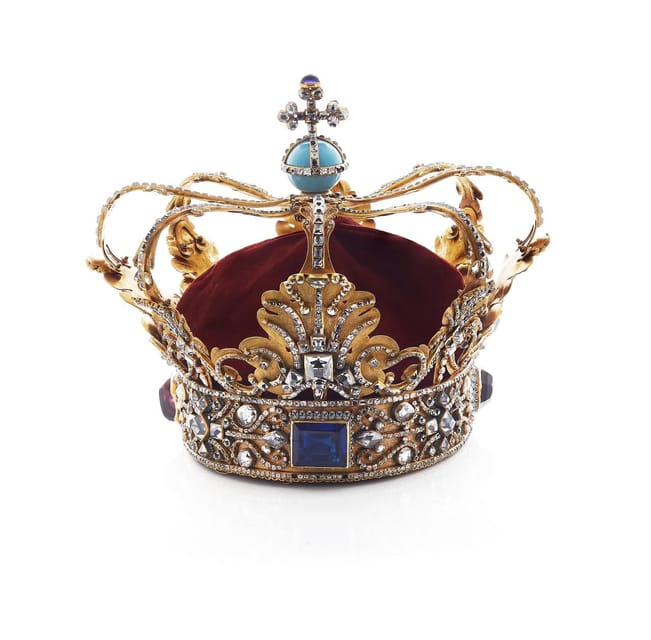
Crown jewels in a small castle setting. Rosenborg Castle is compact, but the Danish Crown Jewels feel almost museum-big thanks to up-close display and the story behind each piece. I love that this ticket focuses on the bling you came for, starting with the coronation crown with about 2,000 precious stones.
Inside the castle, I like how much of Christian IV’s world you can still sense. The rooms are preserved in the style and spirit of his time, and the experience lands in the Treasury below with Royal Regalia that have graced Denmark’s monarchs for generations. The one watch-out: this visit can feel short, and a couple of people found the on-site information system a bit hit-or-miss (QR codes, occasional outdated or blank pages, and at least one mention of construction when they arrived).
If you want Denmark’s royal symbols in one efficient stop—without committing to a long palace marathon—this ticket makes sense. Just go in knowing you’re buying access and time in the castle and Treasury, not a full day with a guide leading every step.
In This Review
- Key highlights to plan around
- Rosenborg Castle: a summer palace that turned into a jewel vault
- Ticket rules that affect timing (and your sanity)
- Rooms preserved from Christian IV’s time: the palace atmosphere you’re buying
- The Treasury beneath Rosenborg: where the Crown Jewels actually happen
- Christian IV’s 1596 crown and the Order of the Elephant: power in metal
- Christian IV’s crown (1596)
- The Order of the Elephant
- The baptismal font: the one stop people forget to plan for
- How long you’ll need: a “short and intense” kind of visit
- Price and value check: what $23 buys you in Copenhagen
- Who this fits best (and who should reconsider)
- Should you book the Rosenborg Castle entry ticket?
- FAQ
- How long is the Rosenborg Castle ticket valid for?
- Is a guided tour included?
- Can I take photos inside?
- What bag rules should I know before I go?
- What happens if I arrive late?
- Is Rosenborg Castle accessible for wheelchair users?
Key highlights to plan around
- Coronation crown with around 2,000 precious stones
- Treasury under the castle where gold, pearls, and diamonds sparkle behind thick walls
- Christian IV’s 1596 crown, nearly 3 kilos and the oldest in Denmark
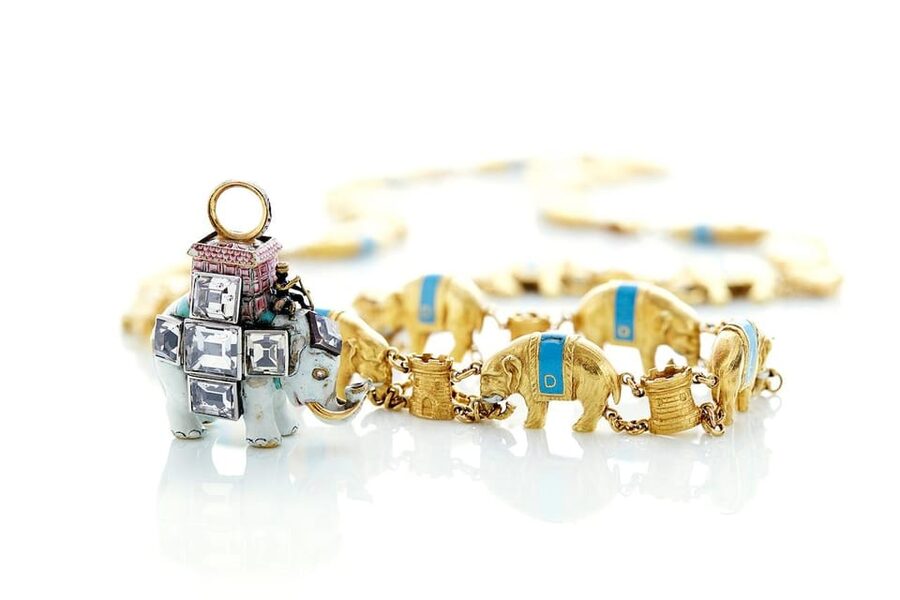
- The Order of the Elephant, Denmark’s top chivalric order, shown in Treasury examples
- Baptismal font used to christen Danish princes and princesses, including the current royal family
Rosenborg Castle: a summer palace that turned into a jewel vault
Rosenborg Castle sits in King’s Garden in Copenhagen, and it’s the kind of place that works even if your day is already packed. It’s not huge by palace standards, which is part of the appeal: you can enjoy the building, then get straight to the Treasury where the real jaw-drop happens.
This castle became a favorite residence of King Christian IV. In the early 17th century, he commissioned Rosenborg outside Copenhagen’s old town, and today the preserved rooms help you picture the court life that once surrounded these treasures. Expect a sense of controlled splendor—less open-to-everyone spectacle, more careful display.
I also like that the experience isn’t only about crowns on stands. You’re guided—mostly by signage and labels—through regalia and objects that show how monarchy looked when everything was carved, plated, and carried with intention.
More Copenhagen attractions worth the ticket



Ticket rules that affect timing (and your sanity)
This is where you should stay sharp, because Rosenborg has a few rules that can turn a smooth entry into a restart.
First, your online ticket needs to be scanned at the ticket desk before you go in. Second, you have a hard timing limit: if you arrive more than 20 minutes late, your ticket won’t be valid anymore. If your Copenhagen day runs long, build in buffer time.
On the inside, the restrictions are straightforward:
- Flash photography is not allowed.
- You can’t touch exhibits.
- Backpacks and large bags aren’t allowed inside (and large purses and backpacks are also called out as not permitted).
Also, photography isn’t allowed in certain areas. That matters because the “must-see” items are in the Treasury. Plan to enjoy the details with your eyes, not your camera.
One more thing: the group size is limited (small group capped at 10 participants). You’ll feel less herded than at big attractions, but the flow still matters in how quickly you reach the Treasury.
Rooms preserved from Christian IV’s time: the palace atmosphere you’re buying
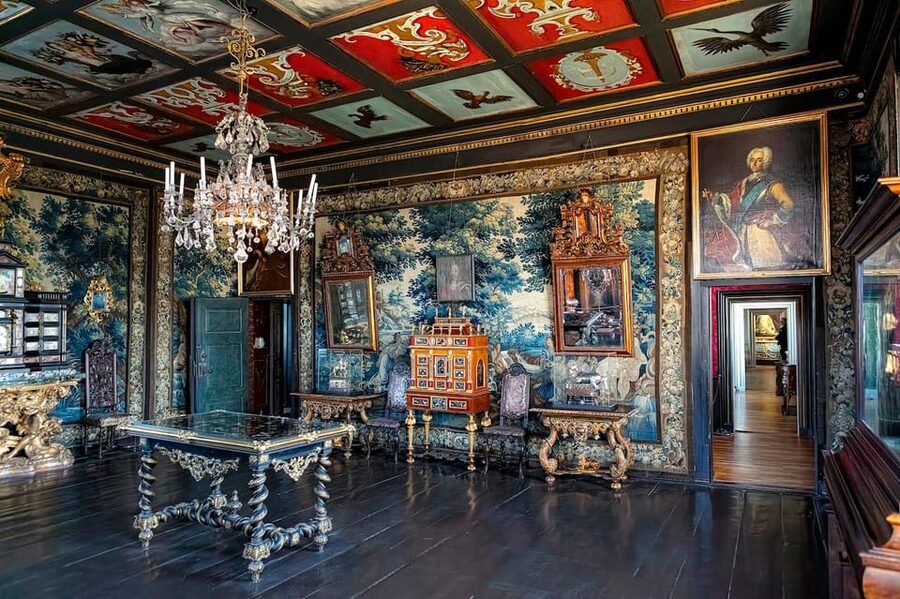
Before you even hit the Treasury, Rosenborg gives you the “how did they live?” side of the story. Many of the rooms are preserved from Christian IV’s era, and they stay that way long enough to make the castle feel like a time capsule rather than a stage set.
Here’s what I think you’ll appreciate: the castle doesn’t just show you crowns and armor. It frames them. When you’re looking at royal objects after walking through rooms preserved from the 1600s, the regalia stops feeling like random expensive decoration. It becomes evidence—of power, ritual, status, and the kind of public ceremony monarchy ran on.
The experience also tends to include a bit of “walk, look, read, move on” pacing. Some people found the place small enough to move through quickly, while others praised the preserved interior as worth slowing down for.
Outside, you’ve got King’s Garden right there. It’s a nice way to reset your brain after the Treasury’s bright metal and dense symbolism.
The Treasury beneath Rosenborg: where the Crown Jewels actually happen
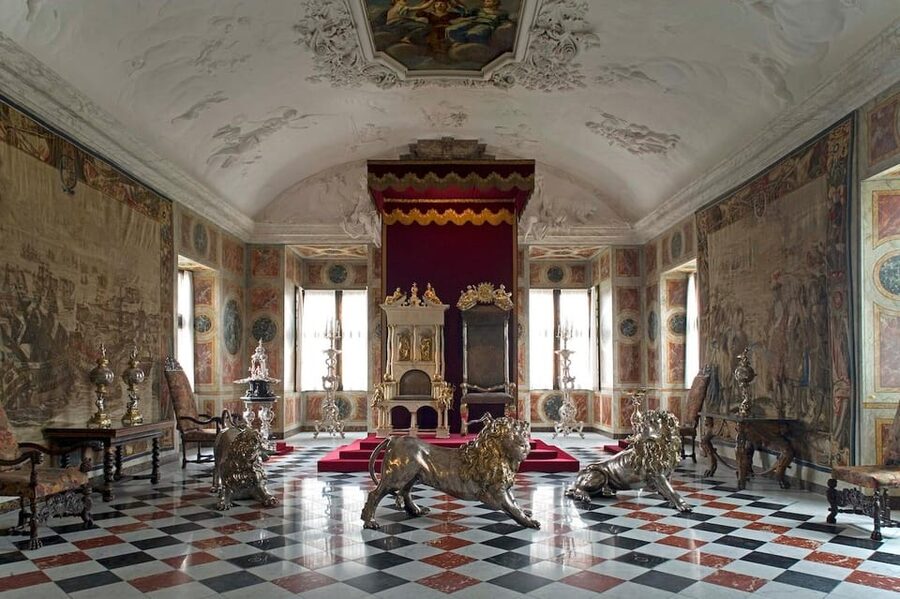
Most people come for the Treasury, and it delivers. This is the part built for “stand here and stare” moments, with thick walls protecting the objects and the light doing a lot of work for you.
The highlights here include:
- The Danish Crown Jewels, including the coronation crown (around 2,000 precious stones)
- The Royal Regalia—exclusive artifacts that have belonged to Denmark’s monarchs
- The view of Christian IV’s crown, from 1596
One practical tip: don’t rush your first viewing. The display is designed for you to pick up layers—materials, settings, craftsmanship. The crown jewels are described as sparkling behind the Treasury walls due to their gold, pearls, and diamonds. That effect only happens if you pause long enough to let your eyes adjust.
A few people also mentioned Denmark’s royal armor and armory as part of what they saw in this area. Even if you’re not an armor person, the fact that it’s in the same complex helps explain the monarchy as both ceremony and protection.
One downside to plan for: some signage and information comes through QR codes. Several visitors reported QR content was frustrating—pages under construction at times, and at least one mention of outdated or not-working audio-style interpretation. If you love reading every label, give yourself extra time. If you don’t, you can still enjoy the objects without needing perfect tech.
Christian IV’s 1596 crown and the Order of the Elephant: power in metal
Two items anchor the Treasury for many visitors, and both are worth the wait in the queue-less part of the experience.
More crowns, courtyards and royal Copenhagen






Christian IV’s crown (1596)
This crown is described as the oldest in Denmark and weighing almost 3 kilos. That alone makes it feel different from a lightweight costume crown. When you see something built to carry real weight—literal and symbolic—you understand why regalia mattered. It wasn’t a quick costume moment. It was authority you could feel.
The Order of the Elephant
You’ll also see examples of the Order of the Elephant, Denmark’s most prestigious order of chivalry, instituted in the 1460s. It’s shown in the Treasury and described as made of gold, enamel, and table-cut diamonds.
I like this because it broadens what “jewels” means. It’s not only crowns. It’s honors and affiliations, the way rulers managed loyalty and prestige. The fact that you can see examples of the order directly alongside other regalia makes the Treasury feel like a coherent collection, not a random assortment.
The baptismal font: the one stop people forget to plan for
Before you leave, the experience includes the baptismal font used to christen each Danish prince and princess. The description specifically notes it’s been used for the current royal family as well, including Frederik and his family.
This is the part I think you’ll remember later, because it changes the mood. Crowns are loud. A baptismal font is quiet. It turns the focus from visible power to tradition, inheritance, and continuity.
It also gives you a reason to linger one more minute even if you’re tempted to power through the exit. You’ve spent time staring at symbols of rule. Seeing the font makes those symbols feel tied to family life and ceremonial beginnings.
How long you’ll need: a “short and intense” kind of visit
The ticket is valid for one day, but the time you spend inside the castle and Treasury is very flexible. Some visitors clocked it at around 30 minutes, saying the place felt small and quick to see.
So what should you do with that information?
If your Copenhagen schedule is tight, this is a good pick. You can fit it between other sights without turning the day into a sprint. But if you’re the type who reads every label and wants to stare at craftsmanship without your feet begging for mercy, plan for longer.
Also keep in mind that at least one visitor mentioned construction immediately after entering. If your visit overlaps with any ongoing work (not something you can predict here), it may slow your flow or affect access to some areas. In that case, your best move is to focus on the Treasury highlights first—crown, regalia, and the Order of the Elephant—then circle back.
And yes, the QR-code information approach is a factor in how long it takes. If the digital text is working smoothly, you’ll move comfortably. If it’s spotty, you might spend extra time trying to find the right label or explanation.
Price and value check: what $23 buys you in Copenhagen
At about $23 per person, this ticket costs less than you might expect for a focused “royal objects” experience—especially because it includes access to:
- Rosenborg Castle admission
- The Treasury with Danish Crown Jewels
- The viewing of Christian IV’s crown
- Royal Regalia and artifacts
- Rooms preserved from Christian IV’s time
Is it worth it? For the right traveler, yes. You’re paying to see items you can’t really substitute elsewhere: the coronation crown, the oldest Danish crown, the Treasury regalia, and the baptismal font used for royal christenings.
The fair complaint is that some people felt it was short—barely 30 minutes for everything—and wished it were less expensive or had more to see. If you’re buying this as your only palace stop in Copenhagen, I’d treat the “small” feeling as a feature, not a bug. It lets you spend Copenhagen time on other neighborhoods rather than camping in a single complex.
Who this fits best (and who should reconsider)
This is a strong match if you:
- Want a concentrated royal-collection stop rather than a whole-day palace crawl
- Like jewelry and ceremonial objects, especially when you can view them close-up
- Enjoy walking through preserved rooms, then finishing with a single, high-impact underground Treasury
But it may not be ideal if you:
- Need full comfort with mobility challenges, because the listing includes both a wheelchair-accessible note and a separate note that it’s not suitable for people with mobility impairments or wheelchair users. When the info conflicts like that, I’d treat it as a reason to confirm with the provider before you commit.
- Are pregnant, since the experience is marked as not suitable for pregnant women.
If you’re sensitive to rules, this visit is manageable. Just remember: no touch, no flash, no backpacks or large bags, and keep your arrival within the 20-minute window.
Should you book the Rosenborg Castle entry ticket?
Book it if you want the simplest path to Denmark’s crown jewels and core regalia in one stop. The crown highlights alone—Christian IV’s 1596 crown and the coronation crown with about 2,000 stones—are the kind of items that make this worth prioritizing.
Skip the stress of overplanning by going with a clear plan:
1) Use your time to focus on the Treasury first.
2) Then enjoy the preserved rooms.
3) Finish by looking for the baptismal font before you exit.
If you’re the type who hates QR-based interpretation or gets frustrated by tech glitches and construction, consider giving yourself extra time and expecting the experience to be mostly self-paced. You’ll still be able to enjoy the collection even if some informational details aren’t perfect.
FAQ
How long is the Rosenborg Castle ticket valid for?
The ticket is listed as valid for one day. It also notes you should check availability to see starting times.
Is a guided tour included?
No. A guided tour is listed as not included.
Can I take photos inside?
Flash photography is not allowed, and photography is not allowed in certain areas.
What bag rules should I know before I go?
Large bags, large purses, and backpacks are not allowed inside. Backpacks are specifically mentioned in the restrictions.
What happens if I arrive late?
If you arrive more than 20 minutes late, your ticket will no longer be valid.
Is Rosenborg Castle accessible for wheelchair users?
The activity lists wheelchair accessibility, but it also states it is not suitable for wheelchair users and people with mobility impairments. If you need accessibility support, it’s worth confirming details directly with the provider before booking.
More Tour Reviews in Copenhagen






More Royal Copenhagen

More Passes & Attraction Tickets



Fresh Off the Cobbles: The Newest Copenhagen Reviews












Royal Palaces & Rosenborg Castle, compared.
 ★ 5.0Walk & Canal Tour: Copenhagen Highlights + Changing of the GuardsFrom $77580 reviews
 ★ 5.0Full-Day; Castle, Palace, Cathedral & Viking ships TourFrom $217326 reviews
 ★ 4.3Amalienborg Palace Museum Entry TicketFrom $19291 reviews
 ★ 4.6Copenhagen City & Christiansborg Palace Private Walking TourFrom $73123 reviews
 ★ 3.5Rosenborg Castle Entry Ticket in CopenhagenFrom $3822 reviews
 ★ 4.8Full-Day Tour; Castle, Palace, Cathedral and Viking ShipsFrom $25921 reviews
 ★ 4.2Rosenborg Castle Tour with Skip-the-Line TicketFrom $28814 reviews
 ★ 5.0Private Copenhagen City Tour with Rosenborg CastleFrom $51114 reviews
Browse the lists this tour appears in