
Reviewed · NYHAVN CANAL CRUISES & HARBOUR BOATS
Walk & Canal Tour: Copenhagen Highlights + Changing of the Guards
Three hours can feel like a week in Copenhagen. You get a walking tour through classic landmarks, a short electric canal ferry ride, and a front-row finish for the Changing of the Guards at Amalienborg.
I really like the way this tour mixes big-name places with city context you can actually use later. I also appreciate the small-group feel (max 15), which keeps the pace sane and lets your guide handle questions well, even when the weather turns.
One thing to consider: the ferry part depends on availability. Seats can’t be reserved, and on some days it may be full or canceled—so your route may shift and you might walk a bit more (and possibly miss a timed stop).
In This Review
- Key highlights to look for
- Starting in the right place: København H and an easy begin
- Tivoli Gardens from the outside: a Copenhagen “what came first?”
- Ny Carlsberg Glyptotek: the dome you notice even before you read the sign
- Christiansborg Palace: where Denmark’s old power meets daily politics
- The Black Diamond and the waterfront: where modern Copenhagen happens
- Electric harbor ferry: the canal tour that keeps it low-effort
- Old Stock Exchange passing by: dragon spire and a restoration story
- Royal Opera House from the water: clean lines, huge budget energy
- Nyhavn on a time-saving pass: the photo spot with real atmosphere
- Little Mermaid: a quick stop that still hits
- Gefion Fountain: the myth stop that makes the walk feel smarter
- Kastellet and Kapellet area: star fortress walls and everyday life
- Churchill Park: a quiet pause near the harbor lights
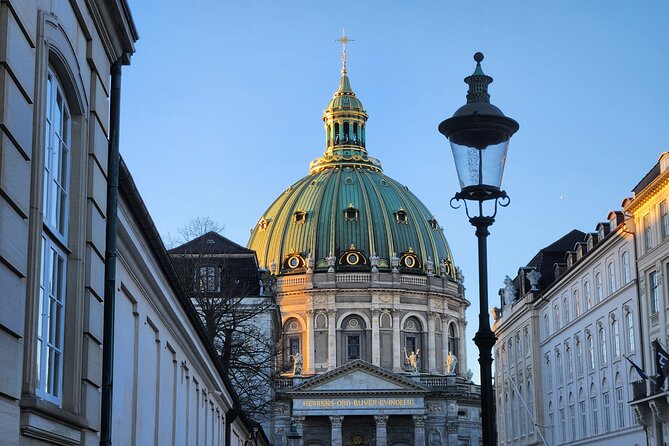
- Marble Church (Marmorkirken): Copenhagen’s dome moment
- Amalienborg Palace Museum area: royalty in daily rotation
- Changing of the Guards at Amalienborg: the big finish at 12:00
- Price and value: what $77.39 buys you in real sightseeing
- Who this tour is best for (and who should skip it)
- Should you book this Walk & Canal plus Guards tour?
- FAQ
- How long is the Walk & Canal Tour?
- Where do I meet the tour?
- Where does the tour end?
- Is the tour offered in English?
- How large is the group?
- Is admission included for Tivoli Gardens or Ny Carlsberg Glyptotek?
- Is there a canal ferry included?
- What happens if the ferry is full or canceled?
- When do I see the Changing of the Guards?
- Is The Little Mermaid included?
Key highlights to look for
- Central Copenhagen meeting spot inside København H, easy to find even if it’s your first day.
- A smart mix of old and new: Tivoli area charm, museums-by-the-dome, then the modern Black Diamond.
- Electric harbor ferry for real water views of Opera, Amalienborg, and Nyhavn without long waits.
- Amalienborg at 12:00 works best if you book the 09:00 or 09:30 departure.
- Plan B on ferry days: if the boat can’t run, you’ll still see the waterfront, but you may cover extra distance.
- Most stops are outside (great for time), and a few optional ticketed spots stay optional (like Tivoli).
Starting in the right place: København H and an easy begin
The tour starts inside Copenhagen Central Station (København H), right in the main hall beneath the big round analog clock. Meet near the 7-Eleven next to the clock, and aim for that central spot—there are two 7-Elevens, so the clock is your best friend.
What I like about this start is how practical it is. You’re in a true hub where locals and visitors naturally flow through, so you quickly get your bearings. Plus, being indoors at the start helps when Copenhagen weather shows up unannounced.
Your guide sets the tone with what to watch for as you move through the city. This tour isn’t just a list of photos to take. It’s more like a walking map that explains why these places matter, right where you’re standing.
More highlights, hidden corners and a little hygge on foot



Tivoli Gardens from the outside: a Copenhagen “what came first?”
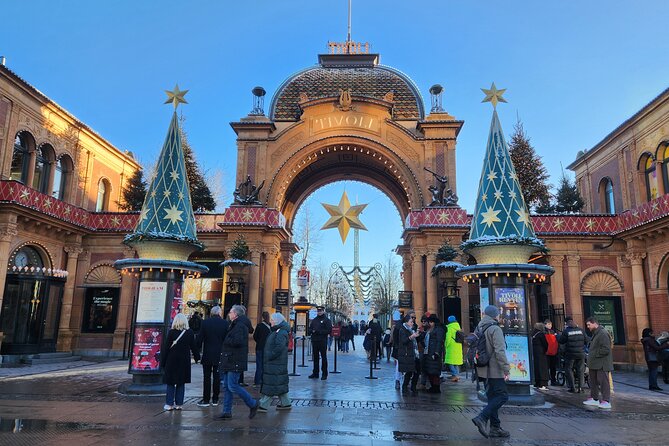
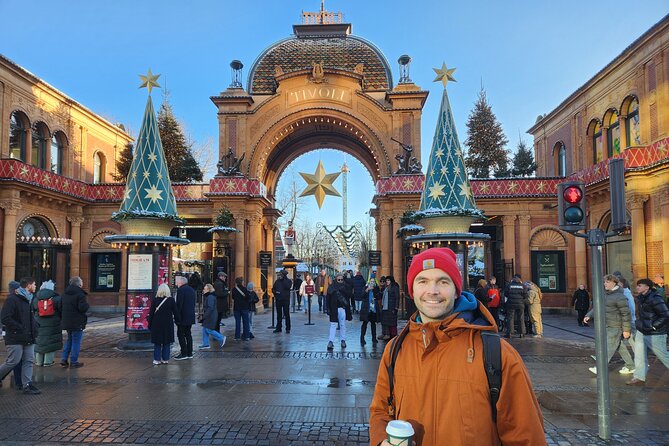
Next you pause near Tivoli Gardens, one of the oldest and most beloved amusement parks in the world, founded in 1843. You won’t do rides here; it’s an outside stop. But it’s a very intentional one because it’s also a Danish design and culture landmark.
You’ll hear the connection between Tivoli and the imagination it sparked—Walt Disney is often linked to a visit here after Tivoli inspired his later work. Even if you never plan to enter Tivoli, you’ll get the feeling of how Copenhagen blends tradition with playful creativity.
Practical note: Tivoli is not included, so don’t plan on tickets being part of the tour time.
Ny Carlsberg Glyptotek: the dome you notice even before you read the sign
From there you head to Ny Carlsberg Glyptotek (Glyptoteket), where the big visual payoff is its glass dome and the winter garden you can spot beneath it. Again, it’s mainly an outside moment, but it’s a good one: the building looks elegant, almost theatrical, sitting in the city like it was always meant to be there.
The museum is known for its collection, but this stop is designed for what you can register fast while walking. You look, you learn a little, then you keep moving—perfect for a 3-hour format.
As with Tivoli, museum admission isn’t included. You’ll still understand the place better, and you’ll know exactly what you’d want to see later if you want more time.
Christiansborg Palace: where Denmark’s old power meets daily politics
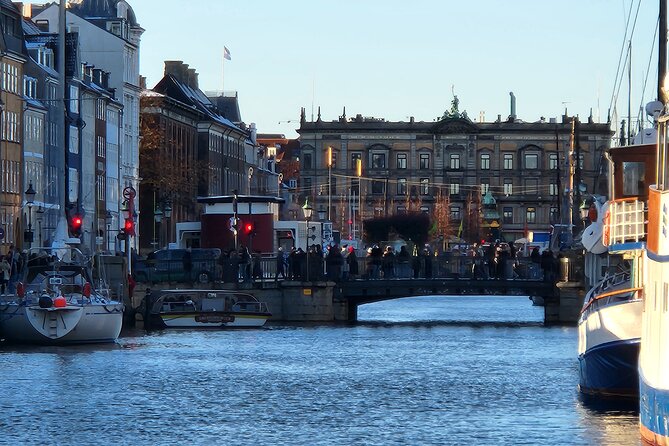
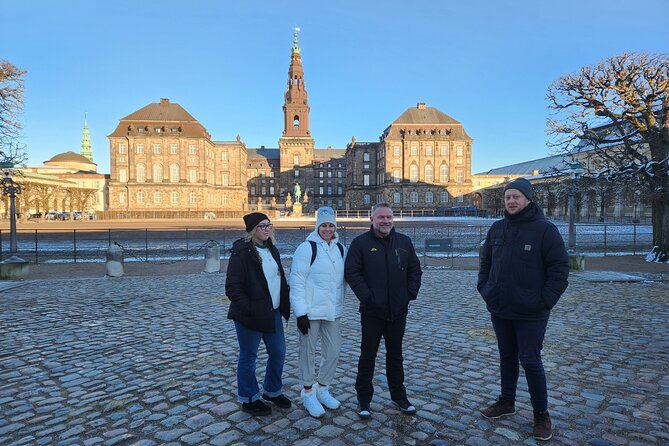
Then it’s over to Christiansborg Palace, a site with more than 800 years of Danish political importance. You’re in a location that has held everything from royal life to the machinery of government, and the story includes major fires and rebuilds over the centuries.
This stop works because it turns royal architecture into a real-world political clue. Denmark’s current system isn’t just a modern invention—it’s built on centuries of changes, and Christiansborg is one of the most visible places where that evolution shows.
It’s also a relief that you don’t have to rush through rooms. The tour gives you the context first, so when you later read about the palace or see it in daylight, it will mean something.
The Black Diamond and the waterfront: where modern Copenhagen happens
Your next highlight is the Black Diamond, the striking modern building for the Royal Danish Library, clad in dark stone with a sleek, reflective presence by the harbor. It’s one of those structures that looks dramatic from a distance and even more functional up close—locals use it for study, events, and the daily flow of public life.
From here, the tour shifts into the water angle. Instead of more walking, you transition to the canal experience and you get those open views you just can’t get on foot.
More slow hours out on the canals and the harbour




Electric harbor ferry: the canal tour that keeps it low-effort
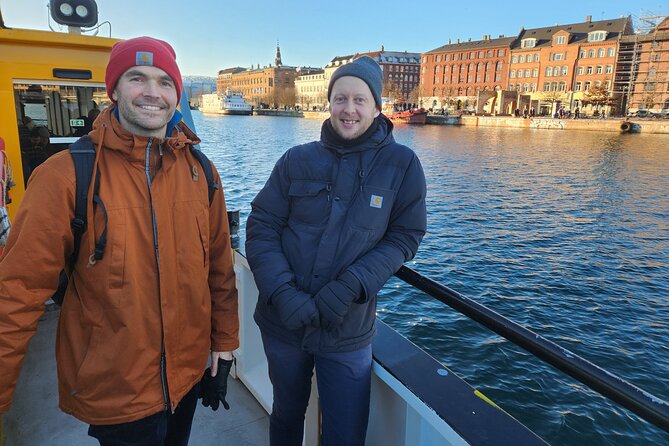
Now comes the part most people remember: the electric harbor ferry (Havnebussen). It’s free on the tour, and the ride is built around short, high-impact sightseeing from the water.
You’re looking at major waterfront landmarks like:
- the Opera House
- Amalienborg Palace
- Nyhavn, with those colorful waterfront facades that reflect in the canal
The timing here matters. This tour is only about three hours, so the ferry is how you pack in water views without sacrificing the rest of the walk.
A key detail you should know: seats can’t be reserved because this is part of the public harbor network. On weekdays, the tour often runs with a lighter load. On weekends, it may be full—or canceled—so you might have to switch to a scenic walking route.
If that happens, the walking distance can grow to about 6–7 km instead of around 5 km. The upside: you still get the waterfront story. The downside: your schedule tightens.
Old Stock Exchange passing by: dragon spire and a restoration story
While you cruise, you also pass the Old Stock Exchange (Børsen), famous for its dragon-spire roof where intertwined dragon tails rise toward the sky. This building has a specific identity you’ll recognize immediately once you see it from the water.
There’s also a current chapter to the story. In April 2024, a fire severely damaged the building, and restoration work was already underway. Even from passing, it gives you a sense that Copenhagen treats heritage like something alive, not frozen.
It’s a small moment, but it helps you connect the city’s history with what’s happening now.
Royal Opera House from the water: clean lines, huge budget energy
From the ferry, you get great sightlines to the Royal Danish Opera House, designed by Henning Larsen. Seen from the harbor, it looks crisp and intentional, with a sweeping roofline that reflects Scandinavian minimal style while still feeling tied to the sea.
This is one of those landmarks where water perspective is everything. On land, you can miss how it’s shaped to face the harbor. From the ferry, it clicks.
Nyhavn on a time-saving pass: the photo spot with real atmosphere
Next, you get a brief view at Nyhavn, Copenhagen’s most iconic harbor area. From the canal, it’s exactly what you expect and also better: the colorful 17th-century houses line the water like a stage set, and you see why artists and storytellers keep returning here.
This stop is short, so don’t expect time to sit through a long café session. But it sets you up for a later moment in your own time—Nyhavn is where you can go after the tour for a drink or a meal.
Little Mermaid: a quick stop that still hits
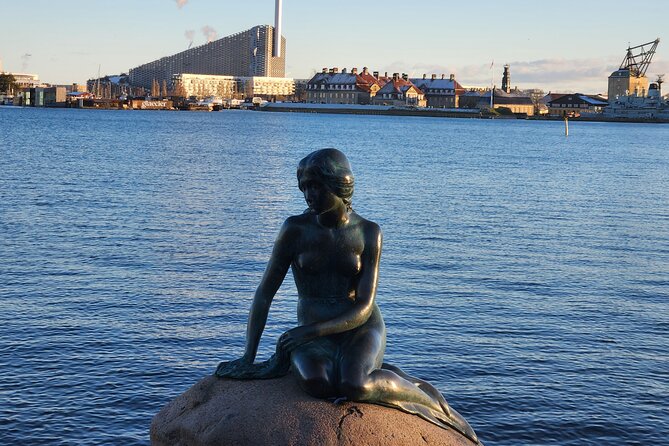
After the harbor portion, the schedule includes The Little Mermaid. It’s a free stop, and you’ll hear the connection to Hans Christian Andersen and how the bronze statue became part of Copenhagen identity.
What I like about how this is handled: it’s not overstuffed. You get a focused explanation and enough time to stand there and take in the scale and setting by the water.
One caution: if the ferry portion runs differently due to capacity or cancellations, timing can shift. In that scenario, you might have less time for this stop than you hoped.
Gefion Fountain: the myth stop that makes the walk feel smarter
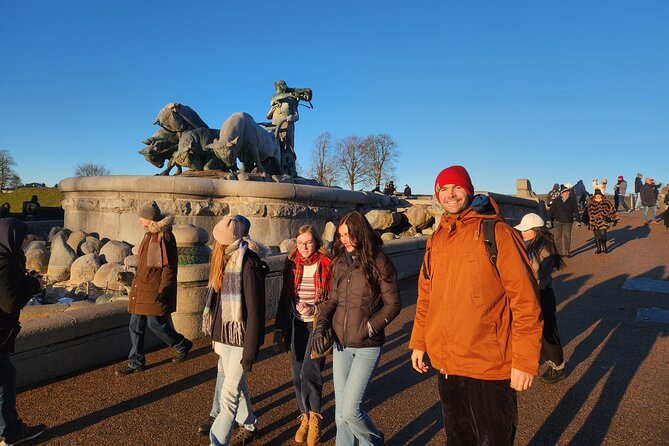
Next you move to Gefion Fountain, placed between the harbor area, Kastellet Fortress, and the promenade leading toward the Little Mermaid. This is one of those stops that feels extra because it connects the waterfront to Nordic myth.
You’ll hear the legend of Gefion, the goddess who plowed the island of Zealand using four oxen—turned into bronze figures with cascading water. It’s scenic, but it’s also functional storytelling: you get a myth tied to place, not just a generic photo moment.
Kastellet and Kapellet area: star fortress walls and everyday life
Now you shift away from the postcard harbor and into Kastellet, one of Northern Europe’s best-preserved star fortresses. The vibe changes immediately. You get grassy ramparts, cobbled paths, and a calmer feel as you walk the fortress edges.
A nice detail: Kastellet is still an active military area, but it functions as green space for peace and strolling. You might even spot swans in the moat, depending on season and weather.
This is the kind of stop that makes the tour feel more Copenhagen and less checklist. It’s not just famous landmarks. It’s how the city lives with history in the middle of daily routines.
You also pass Kastelsmøllen, the old windmill within the fortress area. It’s a small element, but it reinforces the practical, utilitarian past of the fort.
Churchill Park: a quiet pause near the harbor lights
Nearby is Churchill Park, dedicated to Danish resistance fighters from World War II. The memorials and sculptures are more reflective than dramatic, and the statue of Winston Churchill gives the park a clear point of view over the harbor.
I like that this stop adds emotional weight without turning the tour into a lecture. It gives you a pause area after busy waterfront sights, and it anchors modern Denmark to the people who shaped it through real risk.
Marble Church (Marmorkirken): Copenhagen’s dome moment
Then it’s up to Frederik’s Church, often called Marmorkirken for its marble-like finish. It’s a major architectural landmark, completed in 1894 after a very long construction timeline.
The dome is the obvious feature, inspired by St. Peter’s Basilica in Rome. But what makes the stop worthwhile is the story—this project nearly bankrupted its own vision before it finally came to life. You’ll also enjoy views across toward Amalienborg Palace, helped by the church’s alignment and elevation.
It’s a good walking break, and it’s a strong photo stop if the weather behaves.
Amalienborg Palace Museum area: royalty in daily rotation
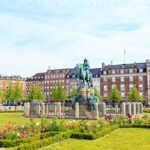
Next you reach Amalienborg, home to the Danish royal family since 1794. The complex has four identical Rococo-style palaces surrounding an octagonal courtyard, with an equestrian statue of King Frederik V in the center.
You’ll learn how the monarchy works in practice and how the ceremonies fit into the routine. This is where the tour’s “changing of the guards” theme becomes more than just a show.
Admission for the Amalienborg Palace Museum is not included, so this part is about proximity and understanding rather than ticketed entry.
Changing of the Guards at Amalienborg: the big finish at 12:00
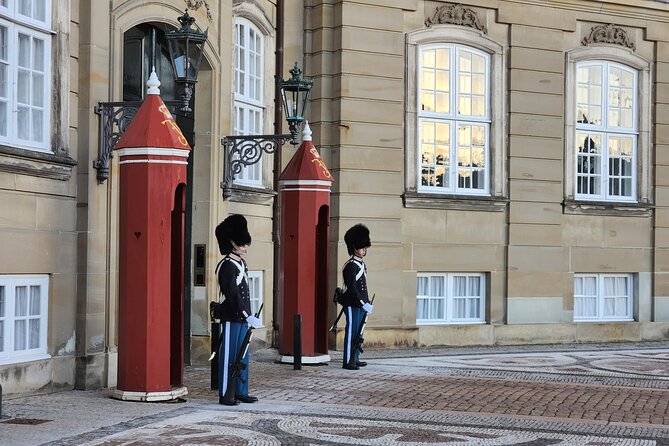
Your tour ends at Amalienborg Slotsplads, right by the action. If you choose the earlier departures—09:00 or 09:30—you’ll arrive just in time for the full daily Changing of the Guards at 12:00. This is the grand ceremony with soldiers marching into the square and often accompanied by the Royal Danish Band.
If you choose a later start—11:00 or 13:00—you’ll still witness a guard change, but it’s a smaller, quieter relief ceremony. Same location, different feel.
I like the logic of this setup. It respects your schedule choice while still giving you the core experience: watching the tradition play out in the exact place it belongs.
Price and value: what $77.39 buys you in real sightseeing
At $77.39 per person, you’re paying for a guided 3-hour route that combines:
- guided walking through multiple high-demand landmarks
- a short electric ferry canal experience
- a well-timed finish at the Changing of the Guards
For Copenhagen, that’s solid value because it saves time and stitching. Instead of building a complicated day with transfers and separate tickets, you get a planned flow that moves you from the city center to the harbor and back to the royal square without dragging it out.
The only real “cost risk” is timing. If the ferry runs differently due to capacity, your schedule can tighten. But the tour still provides alternative walking routes along the waterfront, so you usually won’t lose the day—you’ll just adjust what you fit in.
Who this tour is best for (and who should skip it)
This works best for you if:
- you want a first-day orientation through major highlights
- you like history explained while you walk, not in a long museum queue
- you’d rather spend money on a guide and ferry than on multiple separate tickets
- you want the Changing of the Guards without guessing when and where to stand
It might be less ideal if:
- you hate walking and your tolerance is low for uneven outdoor surfaces
- you’re very set on seeing every single timed stop, no matter what
- you’re traveling during heavy weekend harbor traffic, when the ferry can be full
If you’re flexible and you’re comfortable with a moderate pace, this is a smart way to get a lot of Copenhagen into a short morning or afternoon.
Should you book this Walk & Canal plus Guards tour?
If your goal is a high-value Copenhagen highlights day in just a few hours, I’d book it—especially if you can make the 09:00 or 09:30 slot for the full 12:00 ceremony. The combo of walking context plus water views is exactly how Copenhagen makes sense fast.
Just go in with eyes open about the ferry. It’s free and convenient, but because it’s part of the public network, you can’t assume seats. If you’re okay with a route adjustment, you’ll still come away with a clean overview and a memorable finish at Amalienborg.
FAQ
How long is the Walk & Canal Tour?
It lasts about 3 hours.
Where do I meet the tour?
You meet at København H (Copenhagen Central Station) at Bernstorffsgade, 1651 København, Denmark, inside the main hall.
Where does the tour end?
The tour ends at Amalienborg Slotsplads, near the metro, about a 10-minute walk from Kongens Nytorv and Nyhavn.
Is the tour offered in English?
Yes, the tour is offered in English.
How large is the group?
The group size is capped at 15 travelers.
Is admission included for Tivoli Gardens or Ny Carlsberg Glyptotek?
No. Tivoli Gardens and Ny Carlsberg Glyptotek stops are listed as not included for admission.
Is there a canal ferry included?
Yes. You’ll take an electric harbor ferry canal experience (about 25 minutes).
What happens if the ferry is full or canceled?
On days when seats can’t be reserved or the ferry is unavailable, the tour may switch to a scenic walking route, and the total walking distance can increase to about 6–7 km.
When do I see the Changing of the Guards?
For the 09:00 and 09:30 tours, you arrive for the full ceremony at 12:00. For 11:00 and 13:00, you see a smaller, quieter guard change.
Is The Little Mermaid included?
The plan includes a stop at The Little Mermaid with a short visit. If the ferry portion changes due to capacity or cancellations, timing may shift.
More Royal Copenhagen

Back Out on the Canals
More Highlights & Hidden Gems


Fresh Off the Cobbles: The Newest Copenhagen Reviews









Nyhavn Canal Cruises & Harbour Boats, compared.
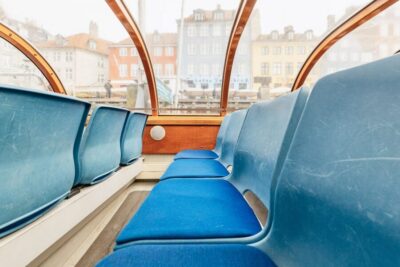 ★ 4.6Canal Cruise with GuideFrom $269,115 reviews
 ★ 3.9Hop-On Hop-Off Bus Tour with Boat Tour OptionFrom $354,122 reviews
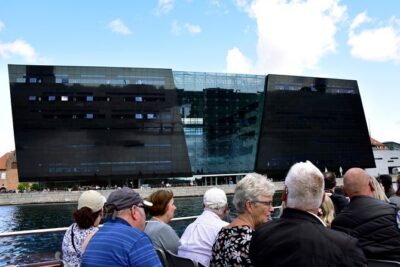 ★ 4.5Copenhagen Sightseeing Classic Canal Tour With Live GuideFrom $331,906 reviews
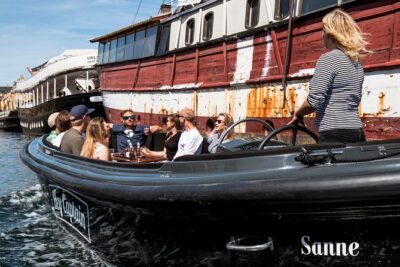 ★ 5.0Social Sailing – Copenhagen Canal Tour – Captain’s FavoriteFrom $1051,610 reviews
 ★ 4.8Guided Canal Tour by Electric BoatFrom $411,341 reviews
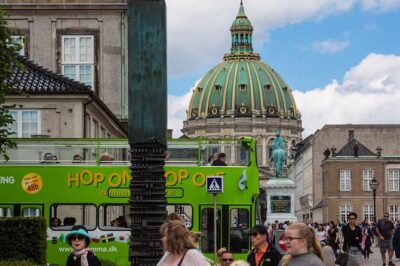 ★ 4.0Copenhagen Bus and Boat ticket, Valid 48 HoursFrom $63565 reviews
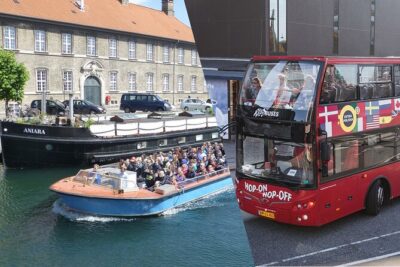 ★ 3.5Copenhagen Hop-on Hop-Off Bus with Boat OptionFrom $36541 reviews
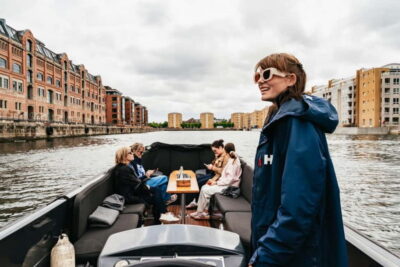 ★ 4.7Old Canals and Hidden Gems Social Boat TourFrom $99342 reviews
Browse the lists this tour appears in