
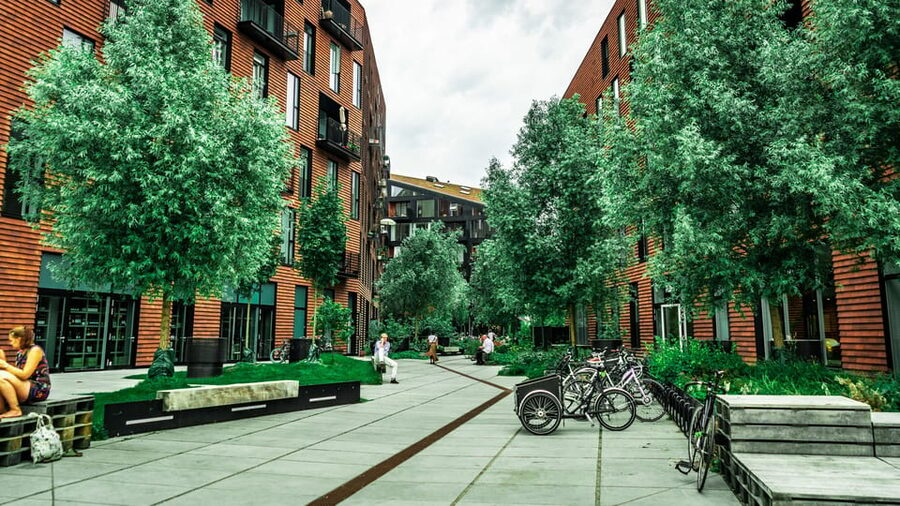
Reviewed · COPENHAGEN HYGGE, HIGHLIGHTS & HIDDEN GEMS
Copenhagen: 1.5-hour Private Walking Tour of Christianshavn
Canal cities have secrets; Christianshavn is one. I love the off-the-beaten-street feel around Christianshavns Kanal and how the Church of Our Saviour turns into the tour’s easiest photo “must.” One consideration: the pacing can feel tight in a short 90 minutes, especially if you want to linger or ask a lot of follow-ups.
This is a private outing, so you’re not sharing the sidewalk with a crowd. Also, the walk ends with no entry into Christiania, so if you’re hoping for inside-the-area time, you’ll need to plan your own follow-up.
You’ll get the story of how this island went from military land to a self-run community—plus the progressive, rule-bending spirit that made people talk about free-spirited Copenhagen long before it became a tourist headline.
In This Review
- Key points to know before you go
- Christianshavn’s real draw: a small island with big attitudes
- Price and time: paying for a private 90-minute lens
- Where to meet by Nyhavn: an easy start point
- From Christianshavns Mound to narrow houses: the island’s changing purpose
- Nyhavn and Inderhavnsbroen: color and contrast without the sidestep
- North Atlantic House to Christianshavns Kanal: watching the neighborhood breathe
- Strandgade 30 and Sankt Annæ Gade: the small-street charm that matters
- Church of Our Saviour: the spiraling spire photo stop (and how to time it)
- The Christiana doorstep: what you’ll see outside the area
- Getting the most from your guide: stories, pacing, and smart questions
- Who should book this Christianshavn + Christiania border walk
- Should you book this Christianshavn walking tour?
- FAQ
- How long is the Copenhagen Christianshavn private walking tour?
- What is the meeting point for the tour?
- Is the tour private?
- Does the tour enter Christiania?
- Where does the tour finish?
- What are the main highlights I can plan around?
- What languages are available for the guide?
- What should I bring?
Key points to know before you go
- Canals with slow-moving boats: you’ll watch vessels drift by as the neighborhood scenes unfold.
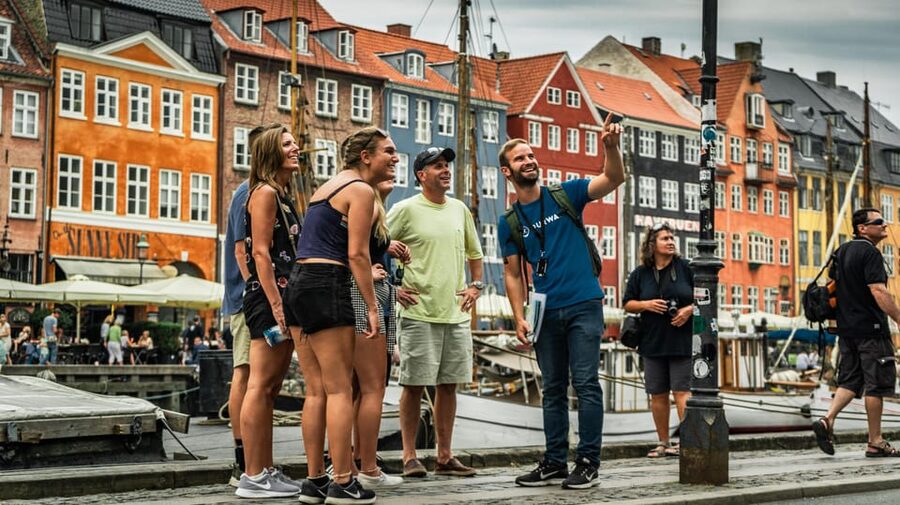
- Nyhavn without getting stuck in the main-tour crush: colorful facades, then you head for quieter streets and angles.
- Christiania from the outside, on purpose: you end near Freetown Christiania, but you won’t be taken inside.
- A dedicated photo window for the spiraling spire: Church of Our Saviour gets about 10 minutes.
- Former military, prison, and even a Michelin-linked site: you’ll connect the dots between place and culture.
- Your guide affects the rhythm: some guides are known for being extra chatty and engaged; others can run a bit brisk.
Christianshavn’s real draw: a small island with big attitudes
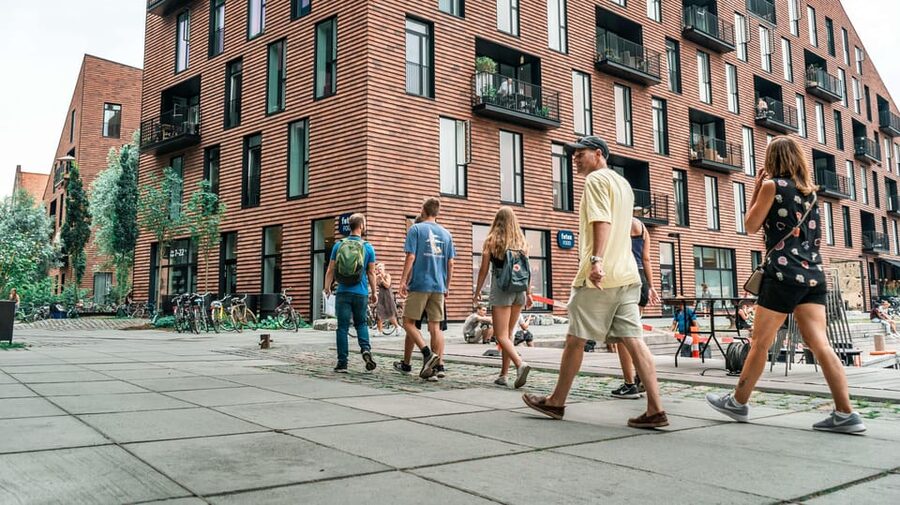
If Copenhagen feels polished, Christianshavn feels human. It’s still part of the city, but it moves to a slightly different rhythm—canals, narrow lanes, and street life that doesn’t seem desperate to impress you. That’s why this private walk works so well: it’s not a checklist tour. It’s a “how this place became this place” walk.
I especially like that the story isn’t just architecture or dates. You get the social angle too: how an area that once served military purposes became something closer to a self-guided society in spirit (and, in places, in practice). Along the way, you’ll also hear why the neighborhood developed a reputation for relaxed, progressive values—shaped by activists, hippies, and the gay rights movement, and yes, a famously casual attitude around cannabis.
The payoff is simple. By the time you reach the Church of Our Saviour and look out over the canals, the neighborhood stops being scenery and starts feeling like a living idea.
More highlights, hidden corners and a little hygge on foot
Price and time: paying for a private 90-minute lens
The listed price is $683 per group up to 1 for a 90-minute walking tour. That’s not a “budget friendly” number, so you’ll want to make it count.
Here’s how I’d judge the value. If you’re the type who likes to ask questions, notice details, and walk at a comfortable speed, a private guide can be worth it. You’re buying direct interpretation—why these streets look the way they do, what used to be here, and why people associate this area with freedom and experimentation.
If you’re more “see it, snap it, move on,” you might feel the cost more sharply—because you’re paying for talk, context, and pacing. And since the tour is short, you should come with a plan for what you most want: photos of that spiraling spire, canal views, or the social history behind the Christiania doorstep.
Where to meet by Nyhavn: an easy start point
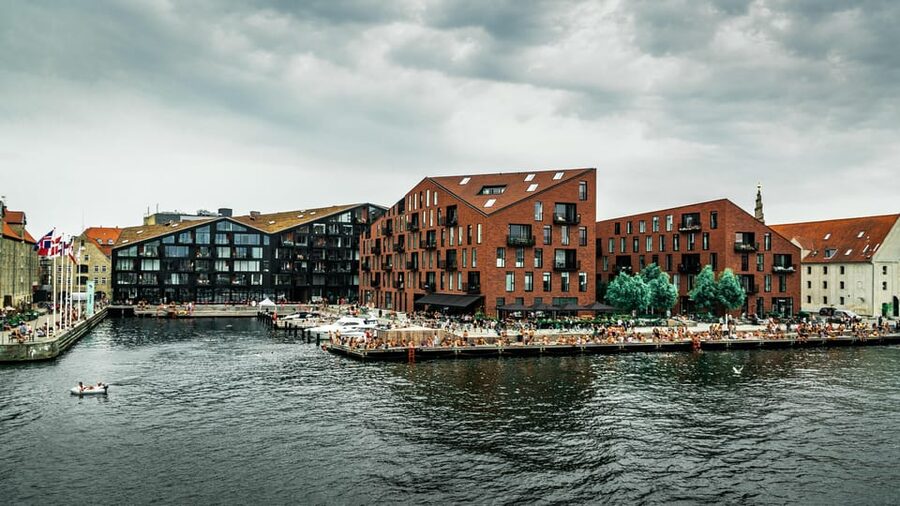
The tour begins next to the Memorial Anchor (Mindeankeret), right by the canal boat tours at Nyhavn 1F. The guide arrives about 10 minutes before departure, and you’ll spot them holding a sign with the local partner’s name.
This matters more than you’d think. Nyhavn is busy, and it’s easy to lose time hunting for the meeting point. Showing up a bit early helps you start the walk relaxed, with shoes already ready for cobbles, sidewalks, and the usual Copenhagen street unevenness.
Bring comfortable shoes and dress for the weather. This tour is outdoors the whole way, and you’ll be standing for short stops—including one dedicated church photo moment.
From Christianshavns Mound to narrow houses: the island’s changing purpose
One of the smartest parts of this walk is that it starts by getting you oriented. You begin near the memorial anchor, then head to Christianshavns Mound, where the guide sets the scene for what Christianshavn used to be.
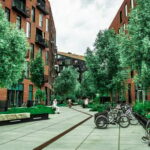
From there, the tour takes you across toward the area near Nyhavn and into the neighborhood’s narrow-house atmosphere. You’ll cross a bridge from Nyhavn, and as the route turns a corner, you’ll see a newly built residential complex—an interesting contrast to the island’s older identity.
Then come the typical Christianshavn scenes: tighter spacing, older-looking facades tucked along streets, and the sense that the island was shaped by function before it was shaped by comfort. That’s not just visual. The guide explains how the area was developed from a former military site into a self-governing society idea, not only in theory but in how people lived day to day.
You’ll also learn about specific “place markers”:
- the former location of an acclaimed two Michelin star restaurant
- the women’s prison site
- the way these earlier uses fed into the neighborhood’s later reputation
Even if you don’t catch every detail, the structure works: you’re shown the “where,” then told the “why.”
Nyhavn and Inderhavnsbroen: color and contrast without the sidestep
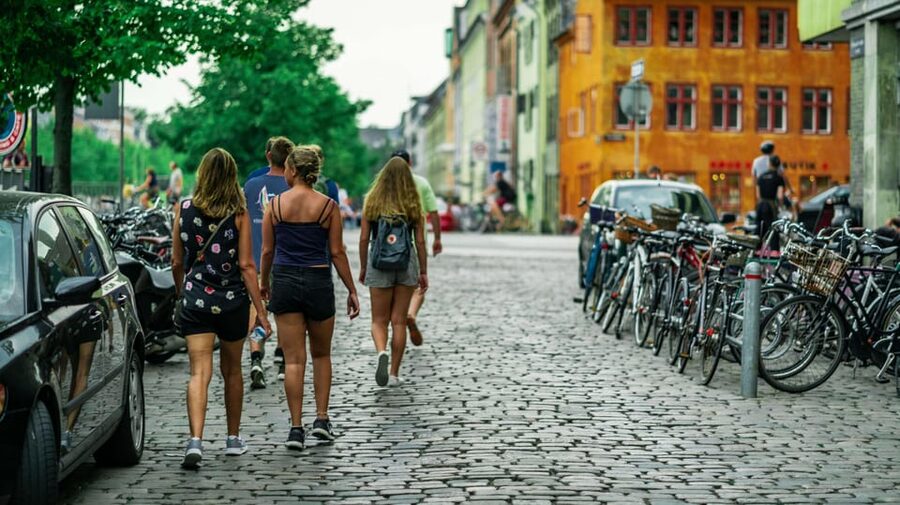
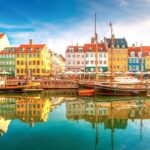
Nyhavn is famous for a reason, and this tour uses it well. You’ll get the colorful houses of Nyhavn as a first atmosphere-check, not as an endless photo line.
Then the walk pushes you toward Inderhavnsbroen. This is where you start seeing Christianshavn as an island in motion: bridges, water, and angles that make the canal system feel like it’s doing the directing.
If you’ve spent time earlier in Copenhagen doing major sights, this part helps you reset your brain. You’re still close to the recognizable harbor mood, but the route begins bending away from postcard central.
Deeper into Christiania and Christianshavn

North Atlantic House to Christianshavns Kanal: watching the neighborhood breathe
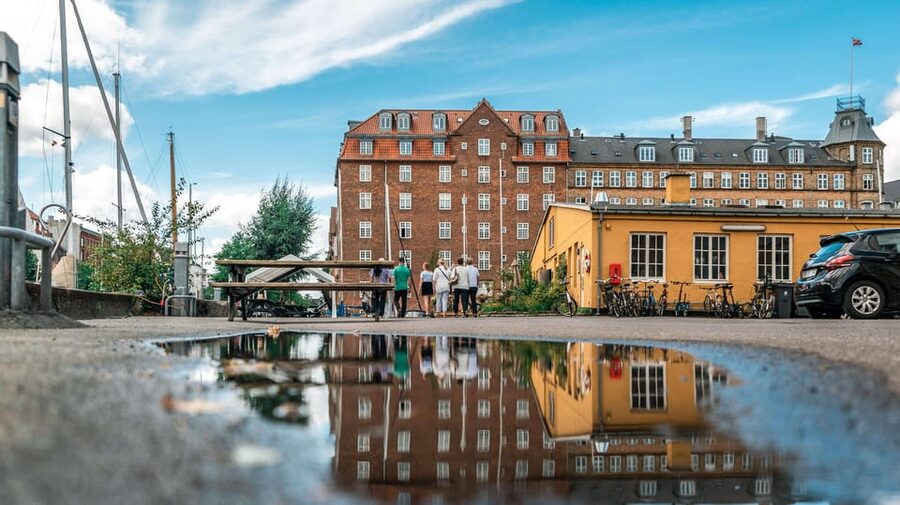
A highlight of this tour is that it keeps reconnecting you to water. You’ll pass North Atlantic House as you move through the area, and then you’ll shift into canal territory along Christianshavns Kanal.
This is where you really get the “slow life” feeling:
- boats move slowly by
- the canal edges frame the neighborhood rhythm
- the whole place feels lived-in, not staged
You also get a street-and-water blend. You’re not just “looking at canals”; you’re moving along them at walking speed, which makes the scene feel continuous. That’s a big reason the canal moment lands: it’s not a single view. It’s a sequence.
The streets around the canal also set you up for the next stops, where narrow houses and small street textures become the main story.
Strandgade 30 and Sankt Annæ Gade: the small-street charm that matters
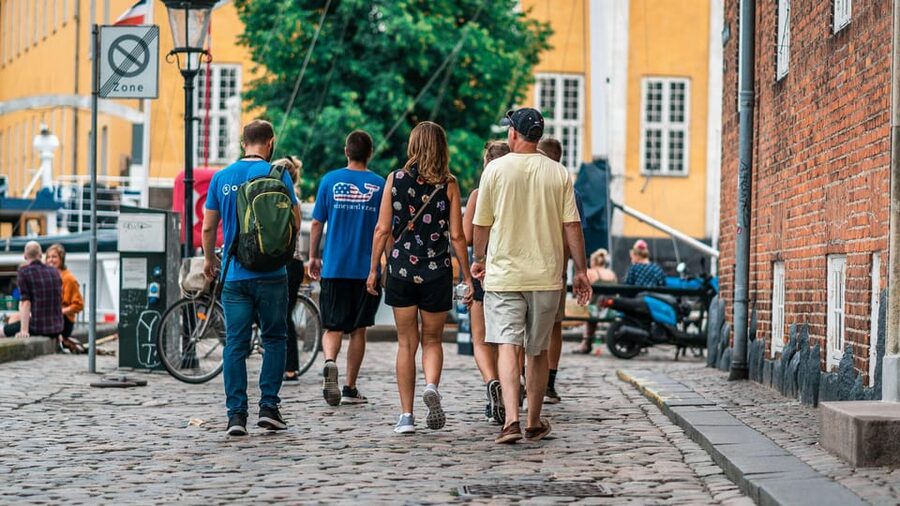
Stops like Strandgade 30 and Sankt Annæ Gade aren’t just names. They’re opportunities to notice the kind of urban planning that makes Christianshavn feel different.
When you’re walking these streets, you start seeing why the neighborhood became known as a place where alternative thinking could take root. Narrow lines, tight building patterns, and close-knit street views make it easier for community life to form. They also make the streets feel personal—like you’re moving through a neighborhood rather than crossing between attractions.
If you like architecture, it helps to slow down for these moments. Use the guide’s storytelling to look at the walls, not only the view. Even without dramatic landmarks here, you’ll understand how “freedom” shows up in the built environment.
Church of Our Saviour: the spiraling spire photo stop (and how to time it)
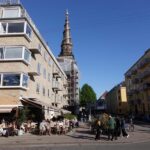
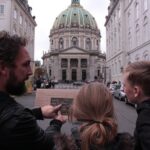
Then you reach the tour’s clearest visual payoff: Church of Our Saviour. This is one of Copenhagen’s signature looks, with its iconic spiralling spire, and the tour includes a 10-minute photo stop.
Ten minutes goes quickly, so make it efficient:
- decide early if you want the spire front-and-center or angled from the street
- take one wide shot first, then zoom in for details
- if you’re with someone, rotate so both of you get a clean capture
What makes this stop more than a photo break is the way it connects back to the neighborhood story. The guide’s context makes you notice the church as part of a changing community, not just an isolated monument.
If you get a guide with a lively pace, you may get straight to photos. If your guide is more chatty, you may get extra interpretation before you shoot. Either way, treat the 10 minutes as your clock.
The Christiana doorstep: what you’ll see outside the area
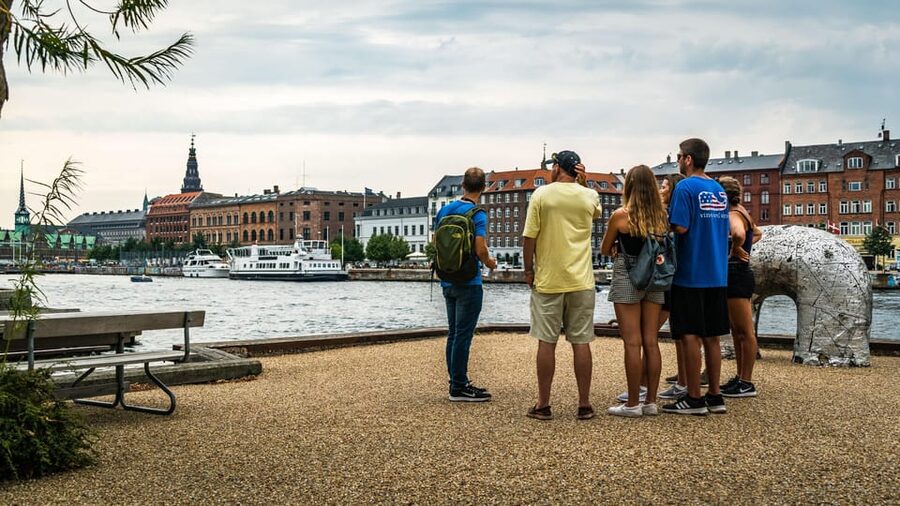
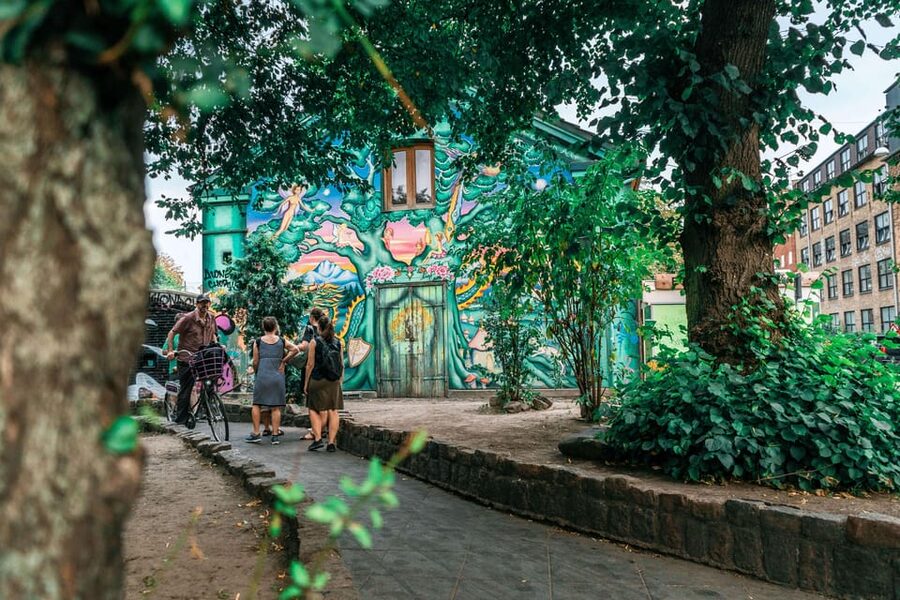
The walk ends with Freetown Christiania sightseeing, but with an important limitation: the tour does not enter or take place inside Christiania. Guides are not allowed to do tours inside the area.
That means you’re viewing it from the edges—what you can see from outside, plus the context to understand why people describe this place as the most free-spirited part of the larger Christianshavn story.
You’ll also learn why the area became known for progressive values, including the relaxed attitude around cannabis and its pull for activists, hippies, and gay rights supporters. That background changes how you interpret what you’re looking at. Without it, Christiania can come off as just a curiosity. With it, it reads like a social experiment that stuck.
After the tour, you can continue into Christiania on your own. The walk back to Nyhavn is about 15 minutes, which is useful for planning the rest of your day.
Getting the most from your guide: stories, pacing, and smart questions
This is a professional guided tour with live commentary in multiple languages: English, French, German, Italian, Spanish, and Danish. That’s helpful if you’re traveling with someone who prefers a specific language—or if you want to ask a question and get a clean answer.
Here’s what I’d do to make the guide work for you:
- Ask one focused question early (like how the island shifted from military use to community life)
- During canal or church stops, ask about what you’re seeing—not broad history for its own sake
- If you care about photos, tell your guide at the start that you want a bit more time for the spire and canal shots
Based on the pattern of reported experiences, guide personality can noticeably affect pacing. Some guides have been described as highly engaged and story-driven, while others may keep moving at a faster clip. There’s even been feedback from past groups about a tour finishing early (around an hour) and about not getting as much time for photos as expected. That’s rare compared with the overall structure, but it’s a good reminder to manage expectations: this is a short walk, and you’ll want to be ready to capture what you came for.
One name that has come up with strong energy is Ulf Dahlin, described as very engaged and able to share lots beyond the obvious sights. Another guide noted for being pleasant and competent is Jessie. If you happen to get either of these guides, you’re likely in for a warmer, more story-forward version of the same route.
Who should book this Christianshavn + Christiania border walk
This tour fits best if you:
- want a private experience and prefer conversation and context over crowds
- enjoy neighborhoods with a clear identity—especially places tied to alternative community culture
- care about architecture and city layout, not only famous landmarks
- like walking and want to see Copenhagen from a calmer island perspective
It’s also a good match if you plan to continue exploring the area afterward. Since you’ll end near Prinsessegade and you’re only about a 15-minute walk from Nyhavn, you can string this into a longer day without needing extra transport.
If, on the other hand, you want an inside-the-area tour of Christiania, this one won’t scratch that itch because you won’t enter.
Should you book this Christianshavn walking tour?
I’d book it if you’re choosing between “see the big stuff” and “understand a place.” This tour gives you both atmosphere and interpretation in a compact 90 minutes. You’ll get canal views, narrow street scenes, and a serious Church of Our Saviour spire photo moment—plus the social backstory that makes Christianshavn feel more like a living experiment than a background setting.
Skip or rethink it if you’re mainly chasing long photo time or if you need a deep, inside visit to Christiania itself. Since entry isn’t part of the experience, you should treat this as the smart exterior orientation that sets you up for self-exploration after.
My practical advice: if you do book, come ready with one or two must-ask questions and one must-photo target (the spire). With that mindset, the time feels worthwhile—and the neighborhood story lands fast.
FAQ
How long is the Copenhagen Christianshavn private walking tour?
It’s listed as 90 minutes.
What is the meeting point for the tour?
The tour starts next to the Memorial Anchor (Mindeankeret) in front of the canal boat tours at Nyhavn 1F.
Is the tour private?
Yes. It’s a private group.
Does the tour enter Christiania?
No. The tour does not take place in or enter Christiania because guides are not allowed to do tours there.
Where does the tour finish?
It finishes at Prinsessegade, København, Denmark.
What are the main highlights I can plan around?
Expect canal walking in Christianshavn, views around Nyhavn and Inderhavnsbroen, a photo stop at the Church of Our Saviour (10 minutes), and sightseeing near Freetown Christiania.
What languages are available for the guide?
The guide offers live tours in English, French, German, Italian, Spanish, and Danish.
What should I bring?
Wear comfortable shoes and bring weather-appropriate clothing.
More Tour Reviews in Copenhagen

More of Christiania & Christianshavn

More Highlights & Hidden Gems

Fresh Off the Cobbles: The Newest Copenhagen Reviews





Copenhagen Hygge, Highlights & Hidden Gems, compared.
 ★ 5.0Private Walking Grand Tour of CopenhagenFrom $3423,953 reviews
 ★ 5.0Copenhagen Highlights Walking TourFrom $402,324 reviews
 ★ 4.8Highlights 3 Hour Bike Tour with a Local GuideFrom $622,312 reviews
 ★ 5.0Politically Incorrect Private Highlights Walking TourFrom $3741,244 reviews
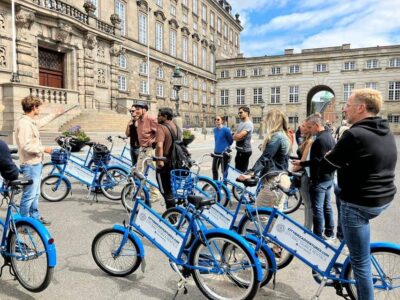 ★ 4.73-Hour City Highlights Bike Tour with GuideFrom $551,239 reviews
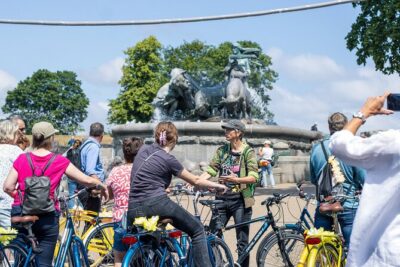 ★ 5.0Copenhagen Highlights 3 Hour Bike Tour with local GuideFrom $611,125 reviews
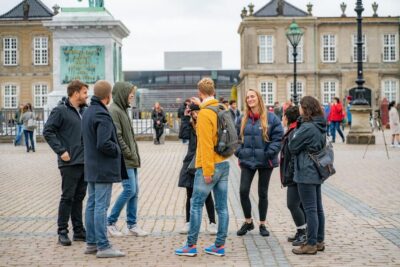 ★ 4.7Group Walking Tour – City Highlights – 2 HoursFrom $391,088 reviews
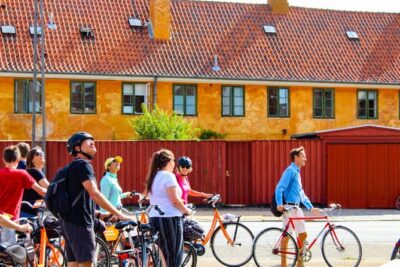 ★ 5.03-hour Copenhagen City Highlights Bike TourFrom $54757 reviews
Browse the lists this tour appears in