
Reviewed · COPENHAGEN HYGGE, HIGHLIGHTS & HIDDEN GEMS
Copenhagen: Christiania & Christianshavn Guided Walking Tour
Christianshavn tells stories you can’t read on a postcard. On this 2-hour walking tour, I like that you get a real neighborhood view of Christianshavn plus Freetown Christiania, led by locals who know what daily life feels like. I also love the practical side: you get food and sightseeing tips that help you avoid the usual Copenhagen copy-paste. One consideration: you’ll be in an alternative community at street level, so come ready to be respectful and a little flexible with your expectations.
You start near the old city fabric, with canals and architecture around Christianshavn, then shift to the modern contrast with a stop near the Copenhagen Opera House. It’s rain or shine, so wear good shoes and plan on moving for the full 2 hours.
Guide quality is the big theme in the feedback I saw: people like Lysander, Simon, Christian, and Noah get praised for friendly pacing and excellent English, and for adding real-life context instead of a script. If you’ve done the big highlights already and want the city’s more complicated side, this walk fits well.
In This Review
- Key things that make this tour worth your time
- Walking Christianshavn and Christiania: why it works better than “just sights”
- Meeting at the blue house and getting your bearings fast
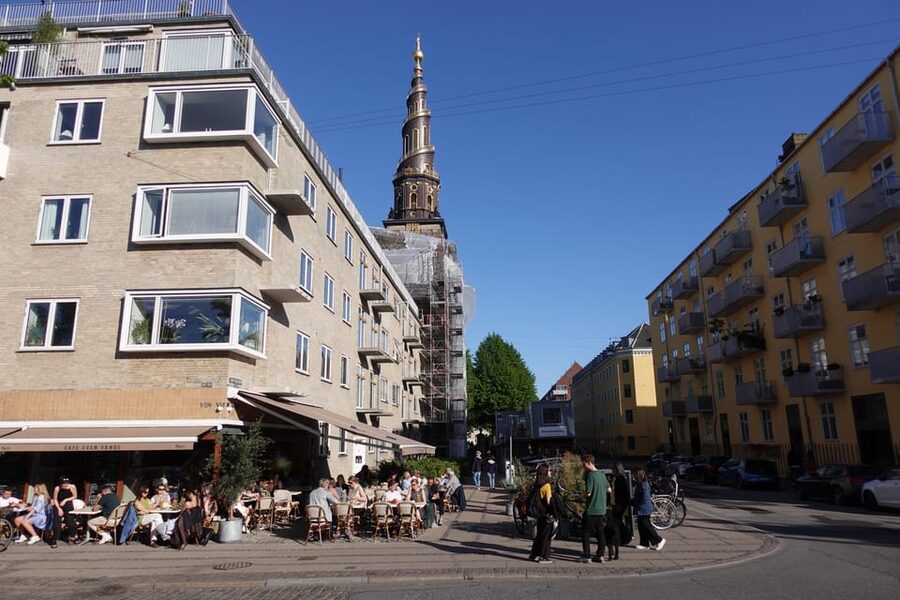
- Stop: Church of Our Saviour for quick structure and context
- Christianshavn canals and architecture: the warm-up that makes Christiania click
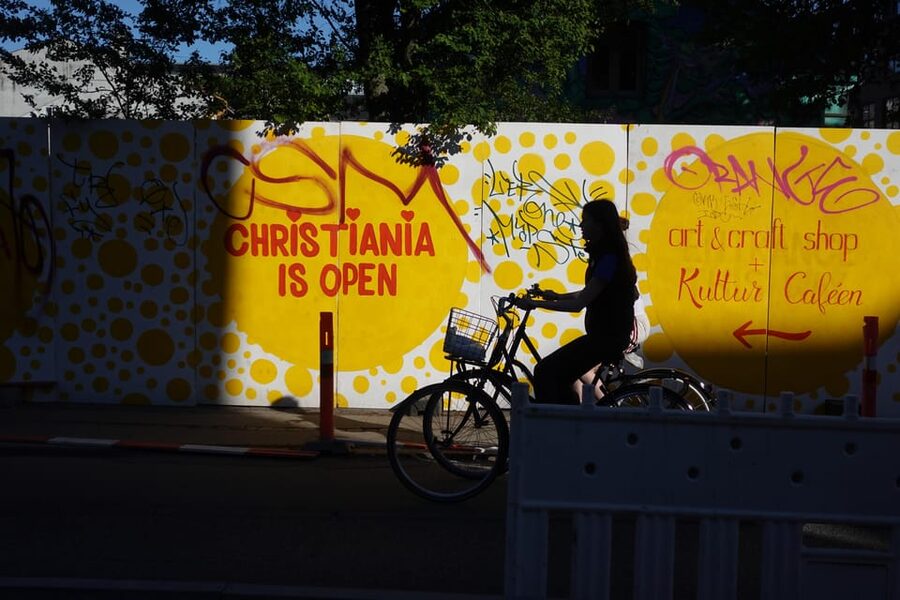
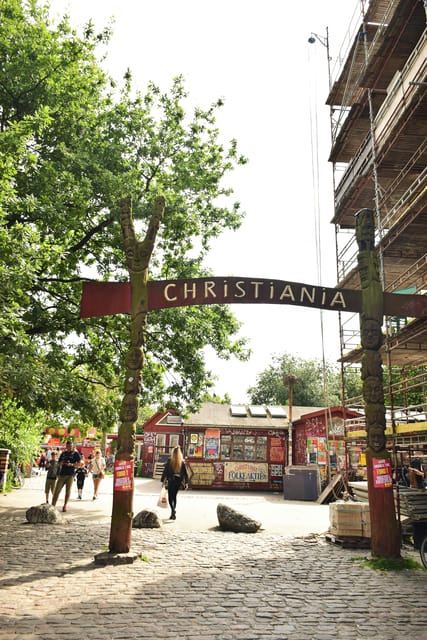
- Freetown Christiania: street art, alternative living, and the right mindset
- Copenhagen Opera House stop: the modern contrast you didn’t know you needed
- How the local guide turns “a walk” into real understanding
- Pace, group size, and what to wear for a comfortable 2 hours
- Price and value: why $49 can be a smart spend (or not)
- Who should book this tour, and who might want to think twice
- Should you book this Christianshavn and Christiania walking tour?
- FAQ
- How long is the Christiania and Christianshavn guided walking tour?
- What group size is this tour?
- Is the tour wheelchair accessible?
- Is the tour offered in English?
- Where do I meet the guide?
- What’s included in the ticket price?
- Does the tour run in bad weather?
Key things that make this tour worth your time
- Small group (10 max) keeps the conversation real and the pace comfortable
- Local guide stories help you connect architecture, politics, and daily life
- Freetown Christiania free time lets you explore at your own rhythm
- Smart stop timing gives you quick orientation at key landmarks without rushing
- Food and sightseeing tips focus on what to do next, not just what you saw
- Rain-ready plan means you won’t waste your day waiting for better weather
Walking Christianshavn and Christiania: why it works better than “just sights”
Copenhagen can feel polished—until you walk into Christianshavn. This part of town has canals, older buildings, and a different rhythm from the tourist core. That’s exactly why a guided walk makes sense here: the city’s meaning shows up in the street layout, the building edges, and where people gather.
The tour’s approach is also a nice balance. You get time for major visual moments (church, Opera House) but the heart of the experience is human scale: community details in Christianshavn, and street-level culture in Freetown Christiania. If you like understanding the “why” behind what you’re seeing—without turning it into a lecture—this format tends to click.
Also, the guide doesn’t just point. You’ll get tips to help you move through the area with confidence, including how to avoid the tourist traps that can pop up near famous names. For a first or second day in Copenhagen, that kind of guidance can save hours.
More highlights, hidden corners and a little hygge on foot
Meeting at the blue house and getting your bearings fast
The tour starts with a simple meeting point: outside the blue house at Dronningensgade 4 (Lost With a Local). You’ll finish in the same general area, around Strandgade 95, 1401 København.
Why that matters: if you’re arriving by foot, Metro, or bike, you don’t have to solve a complicated end-of-tour transit puzzle. It also means the walk feels like one continuous loop through a neighborhood rather than a series of disconnected stops.
Timing-wise, everything is built for a steady pace over about 2 hours. With a small group capped at 10 participants, you shouldn’t feel squeezed. And because the tour is wheelchair accessible, the route is set up to be practical for different mobility needs.
Stop: Church of Our Saviour for quick structure and context
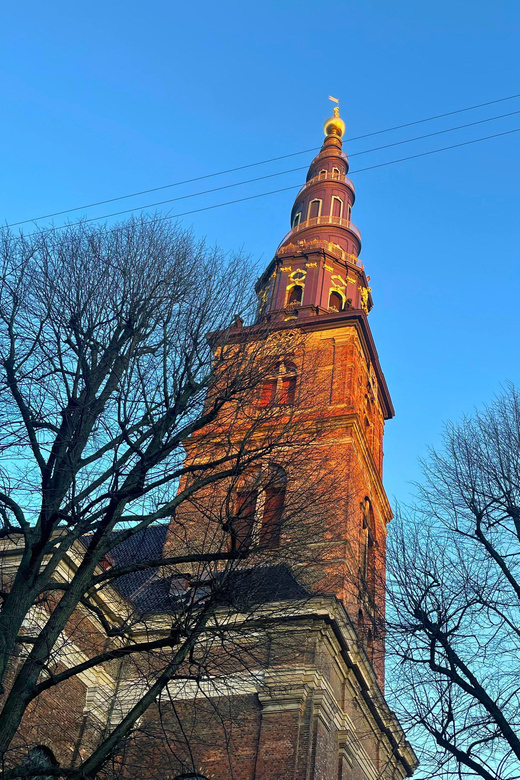
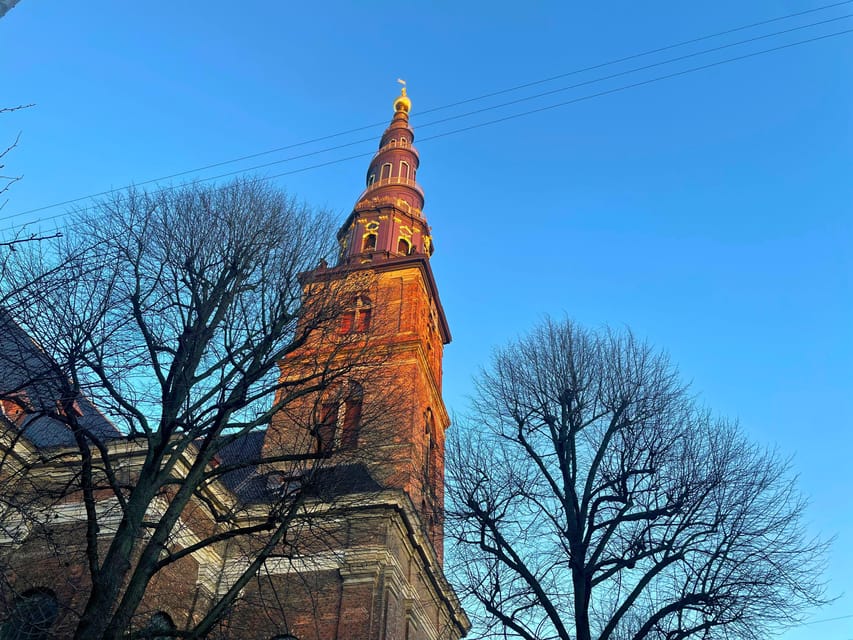
After you begin in Christianshavn, you’ll pause at Church of Our Saviour for about 15 minutes. Even if churches aren’t your main interest, this stop acts like a compass. It helps you understand how the area’s older institutions shaped the streets, the neighborhoods, and the sense of place.
The upside of a short stop like this: you get the payoff without losing the flow of the walk. The possible drawback: if you’re the type who wants to linger inside and take your time, 15 minutes may feel brief. But the tour’s bigger goal is to connect this landmark to what you’ll see next—especially the contrast between established Copenhagen and the alternative energy of Christiania.
Christianshavn canals and architecture: the warm-up that makes Christiania click
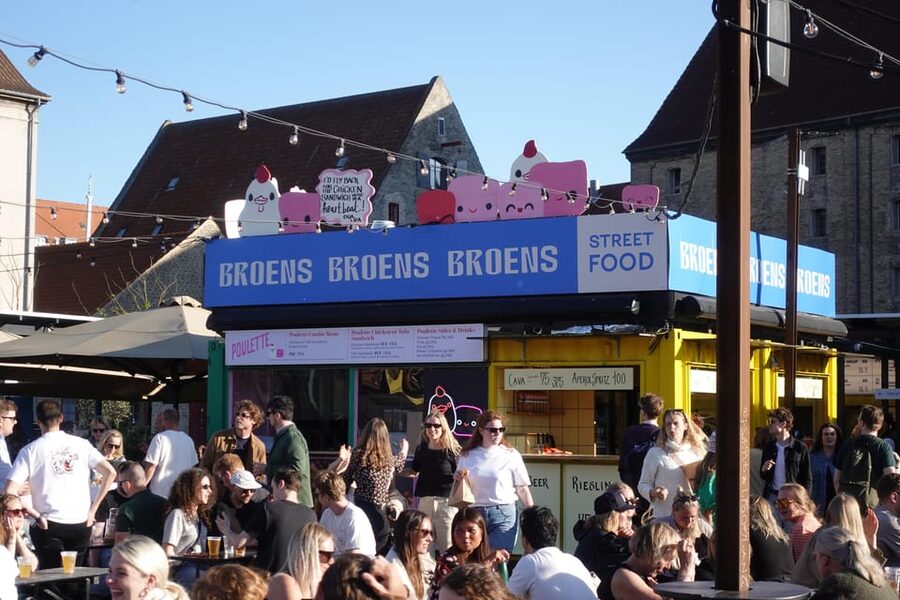
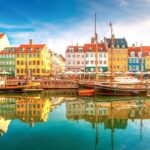
Before you reach Freetown Christiania, you spend time in old Christianshavn, focused on its architecture and canals. This is the “set the stage” portion, and it matters more than it sounds.
Here’s why I like this part of the tour: the canal-side layout and older buildings give you a baseline. Then, when Christiania comes into view, you don’t just see street art—you understand why this area has room for alternative ideas and why people care about their neighborhood identity.
This is also where guides often shine. Based on what I’ve seen in the feedback, locals like Lysander are praised for sharing real perspective—like how it feels growing up around the social and political mix of the district—so you don’t treat the place like a themed attraction.
Freetown Christiania: street art, alternative living, and the right mindset
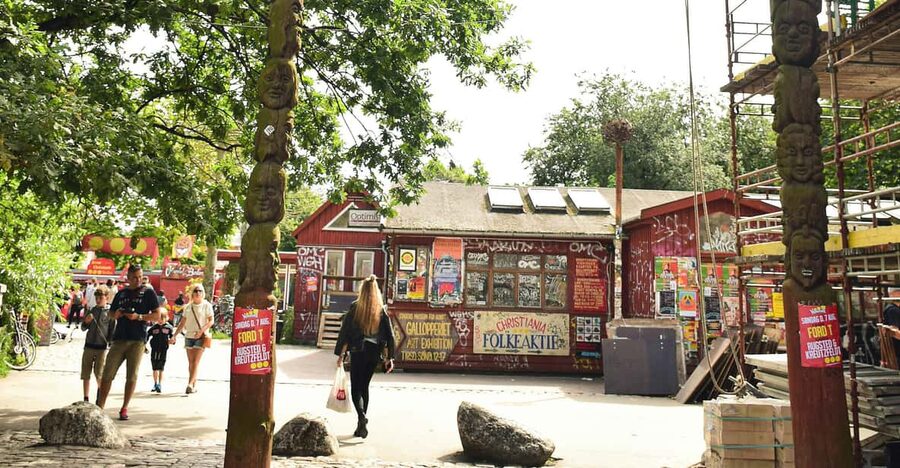
This is the main event: Freetown Christiania, with a visit plus about 30 minutes of free time.
You’ll hear the story behind this community—often described as anti-capitalist—and you’ll see colorful street art that signals an entirely different creative culture than what you’ll find elsewhere in Copenhagen. The best part is the atmosphere: you’re not just looking at a wall. You’re walking through a living social space with its own rules, norms, and identity.
Practical mindset tip: treat it like a neighborhood, not a theme park. That means keep your tone respectful, don’t rush people, and remember you’re visiting a real community. If you go in expecting a museum experience, you’ll probably feel impatient. If you go in curious, you’ll likely have a better time.
The free time is key. Thirty minutes can be enough to:
- take a careful loop and absorb the street art
- step back when you feel overloaded by the visual stimulation
- ask your guide follow-up questions before you wander off
If you’re the type who loves photo stops, this part can be very satisfying. If you prefer structured viewing, just use the time wisely: pick one area to explore slowly rather than sprinting for every corner.
Deeper into Christiania and Christianshavn


Copenhagen Opera House stop: the modern contrast you didn’t know you needed
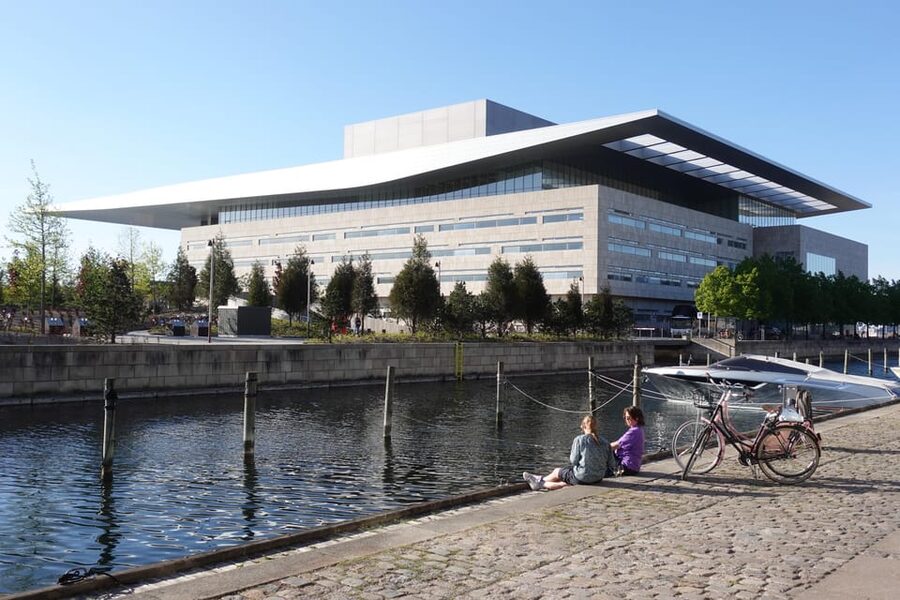
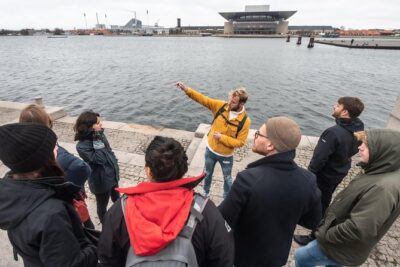
After Christiania, the tour moves toward the modern side of Christianshavn, including a stop at the Copenhagen Opera House for about 15 minutes.
This isn’t there just for Instagram value. It’s there for contrast. You’ve spent time with older city fabric and an alternative community identity. Then you hit a major modern landmark, and the whole neighborhood story becomes clearer. You start to see Copenhagen as layers—different values, different aesthetics, different ways people claim space.
A short stop here is a good call. It keeps you from getting “landmark fatigue” and preserves energy for the neighborhoods. The only drawback is that if you want interior access or a longer view from multiple angles, this tour won’t fully cover that. But as a walking primer, it works.
How the local guide turns “a walk” into real understanding
The guide is the difference between reading about Christiania and understanding how it lives in the city.
The feedback I saw leans heavily on guide personality and English skill. People called out Lysander as personable and very knowledgeable about the area, with excellent English. Others praised Christian for being friendly and informative, Simon for being a standout, and Noah for good guiding even in heavy rain. A common thread: guides add first-hand texture—what changed over time, why certain places feel the way they do, and which details you should pay attention to while walking.
What that means for you: you’ll likely get more than facts. You’ll get orientation. You’ll learn how to read street art in context, why the canals and older buildings matter, and how to spot the difference between an area people treat as home versus a zone built mainly for visitors.
And don’t overlook the practical part. Your guide also shares recommendations for further exploration in Copenhagen—plus tips on avoiding tourist traps and choosing food that fits your tastes (Danish and international options).
Pace, group size, and what to wear for a comfortable 2 hours
This is a walking tour, so comfort isn’t optional. Since it’s rain or shine, bring shoes that work on wet pavement. You’ll be moving through neighborhoods with uneven sidewalks in places, so avoid anything too soft or slippery.
The small group cap—10 participants—keeps the pace easier to manage. In a smaller group, you tend to get more time to ask questions, and the guide can slow down when someone wants to stop and look.
Weather matters more here than on a museum-only day. If it’s cold, you’ll appreciate layers. If it’s raining, pack a compact rain shell. The good news: guides are used to running in bad weather, and the tour is designed to keep going.
Price and value: why $49 can be a smart spend (or not)
At $49 per person for about 2 hours, this tour sits in the “reasonable local-guided experience” zone rather than the “budget sightseeing” zone. The value comes from a few concrete things you’re getting, not just the walking.
You’re paying for:
- a local guide (the stories and neighborhood context are the product)
- a small group size (less crowding, more interaction)
- a guided route that hits both Christianshavn and Freetown Christiania
- structured time at landmarks like Church of Our Saviour and the Opera House
- practical recommendations so you can plan the rest of your day
What’s not included: transportation and food/drinks. That’s normal for this kind of tour, but it does change how you budget. Think of it as paying for your orientation and local insight, then funding your own lunch or snacks after.
Is it worth it? If you care about understanding the district beyond photos, yes. If you just want a quick overview and you’re comfortable reading on your own, you might find a self-guided option cheaper. But if you want your questions answered while you walk, $49 is a fair trade for the amount of context you get.
Who should book this tour, and who might want to think twice
You should book if you:
- want a local-guided view of Christianshavn + Freetown Christiania
- enjoy street art and neighborhood culture, not just famous landmarks
- like practical tips for food and what to do next
- prefer a smaller group (10 max) and a conversational style
You might think twice if you:
- want a purely traditional Copenhagen tour with only official sights
- dislike alternative communities or prefer very controlled, museum-style narration
- need lots of long stop time at major buildings (this is time-boxed for a smooth 2-hour loop)
Should you book this Christianshavn and Christiania walking tour?
I’d book it if your goal is to understand why this part of Copenhagen feels different. The best reason is simple: you’re not just passing through. You’re learning how the canals and older architecture connect to the social experiment of Christiania—and you leave with ideas for where to eat and where to go next.
If you go, come with good walking shoes, a respectful mindset for a real community, and a willingness to let the guide steer the story. With guides praised for excellent English and friendly, local-first guidance, you’re likely to get a smarter, more personal Copenhagen than you would on a standard checklist tour.
FAQ
How long is the Christiania and Christianshavn guided walking tour?
The tour lasts about 2 hours.
What group size is this tour?
It’s a small group with a limit of 10 participants.
Is the tour wheelchair accessible?
Yes, the tour is listed as wheelchair accessible.
Is the tour offered in English?
Yes, the live tour guide speaks English.
Where do I meet the guide?
Meet outside the blue house at Dronningensgade 4 (Lost With a Local).
What’s included in the ticket price?
You get a local guide and the walking tour. Food and drinks are not included.
Does the tour run in bad weather?
Yes, it takes place rain or shine.
If you want, tell me your travel dates and what you’re most curious about (architecture, street art, Danish culture, or planning food). I can help you decide if this is the right “first neighborhood” tour for your trip.
More Tour Reviews in Copenhagen


More of Christiania & Christianshavn

More Highlights & Hidden Gems
Fresh Off the Cobbles: The Newest Copenhagen Reviews







Copenhagen Hygge, Highlights & Hidden Gems, compared.
 ★ 5.0Private Walking Grand Tour of CopenhagenFrom $3423,953 reviews
 ★ 5.0Copenhagen Highlights Walking TourFrom $402,324 reviews
 ★ 4.8Highlights 3 Hour Bike Tour with a Local GuideFrom $622,312 reviews
 ★ 5.0Politically Incorrect Private Highlights Walking TourFrom $3741,244 reviews
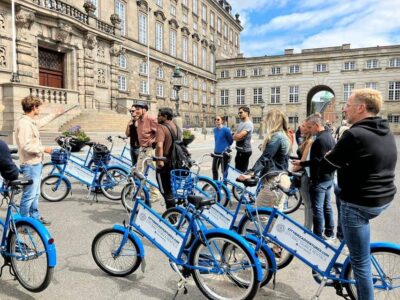 ★ 4.73-Hour City Highlights Bike Tour with GuideFrom $551,239 reviews
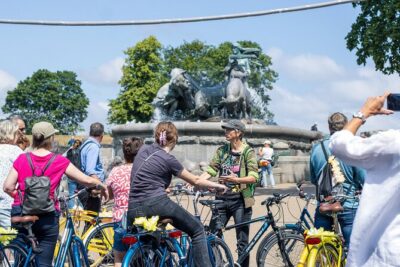 ★ 5.0Copenhagen Highlights 3 Hour Bike Tour with local GuideFrom $611,125 reviews
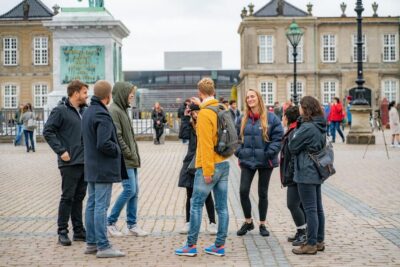 ★ 4.7Group Walking Tour – City Highlights – 2 HoursFrom $391,088 reviews
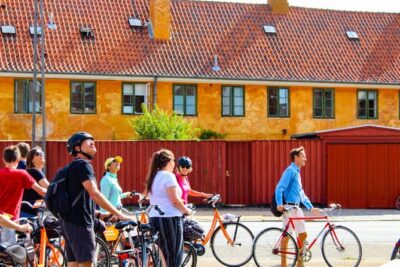 ★ 5.03-hour Copenhagen City Highlights Bike TourFrom $54757 reviews
Browse the lists this tour appears in