
Reviewed · NYHAVN CANAL CRUISES & HARBOUR BOATS
Copenhagen: Harbor Architecture Private Walking Tour
Copenhagen’s harbor tells stories in stone and steel. That’s what makes this private architecture walk so enjoyable: you get a smooth mix of Nyhavn’s 17th-century waterfront charm and the modern drama of Operaen. One thing to consider: it’s still a walking tour, with no wheelchair-friendly route.
I especially like how the stops are short and focused, so you don’t just see buildings—you learn why they matter. A private group also means you can ask questions and adjust the pace, which is handy when you’re photographing, looking at details, or simply trying to understand the city.
The weather part is real: it runs rain or shine, so bring a little practical gear. And since food and drinks aren’t included, plan on grabbing something after the tour if you get hungry.
In This Review
- Key things to look forward to
- Copenhagen Harbor Architecture and Why This 2-Hour Route Works
- Meeting at Ofelia Plads: Start Here, Walk Smart
- Nyhavn’s 17th-Century Waterfront: Colorful Houses with a Built-In Story
- Papiroen and Krøyers Plads: How Old Industry Becomes New City
- Operaen on the Water: A Modern Landmark Completed in 2005
- Cirkelbroen and the Royal Library Photo Stop
- Danish Architecture Centre: Turn Sightseeing into Architecture Understanding
- Price and Value: When $394 Per Group Makes Sense
- What to Bring and How to Prepare for Rain or Shine
- Should You Book This Copenhagen Harbor Architecture Walk?
- FAQ
- FAQ
- How long is the Copenhagen Harbor Architecture Private Walking Tour?
- Is this tour private?
- What does the price include?
- Where is the meeting point?
- Where does the tour finish?
- Which stops are included on the route?
- Are food and drinks included?
- What languages are the guides available in?
- Should I expect the tour to run in bad weather?
- Is hotel pickup or drop-off included?
Key things to look forward to
- Ofelia Plads start right by the water, for an easy first look at the harbor
- Nyhavn’s story as a 17th-century waterfront district, plus the artists and writers connected to it
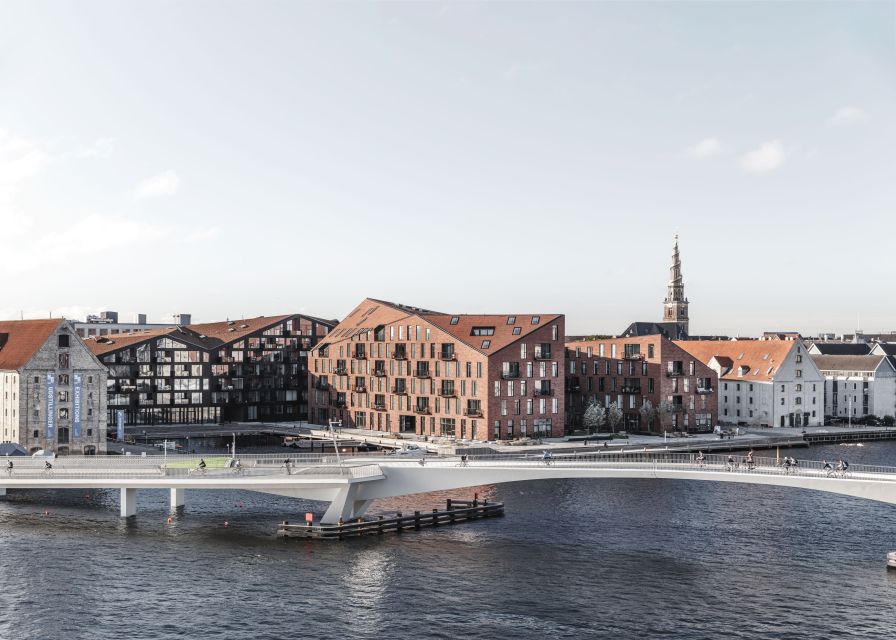
- Papiroen’s transformation from a paper mill into a new urban space that still respects industrial roots
- Operaen (completed in 2005) as a modern landmark shaped by the harbor and Danish cultural heritage
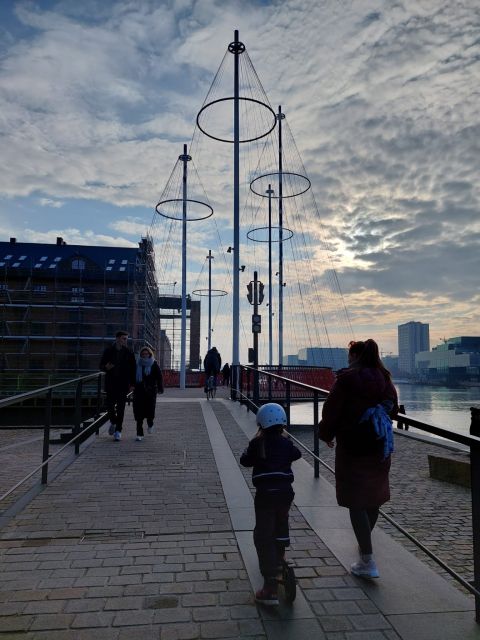
- Cirkelbroen’s circles-of-life design, a pedestrian bridge that’s both walkable and photo-friendly
- Danish Architecture Centre stop to connect what you saw outdoors to the bigger picture of Copenhagen design
Copenhagen Harbor Architecture and Why This 2-Hour Route Works
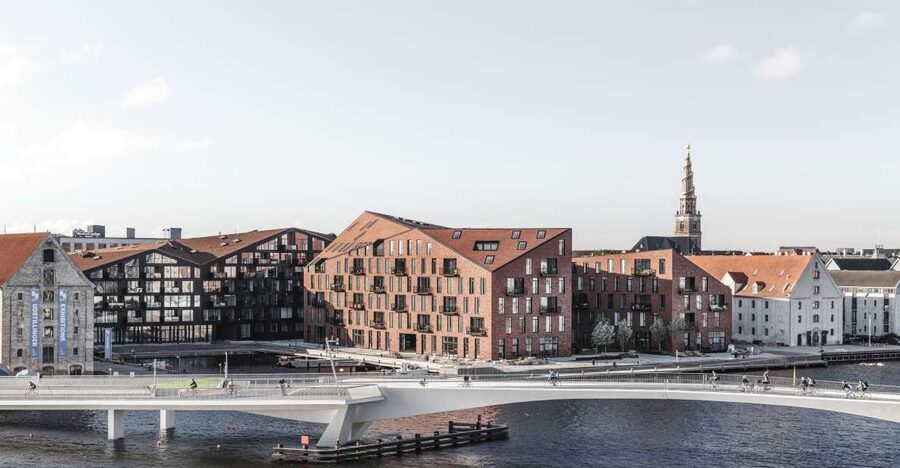
Copenhagen’s harbor area is a fast lesson in how the city balances old waterfront life with new design. You’ll hear that the city was named World Capital of Architecture 2023, and this tour is built to show what that means in everyday sights: historic quays, converted industrial spaces, and bold contemporary landmarks.
What I like about the pacing is that it’s not a “see everything” plan. It’s a concentrated walk through a handful of iconic zones—so you leave with a clearer mental map of the waterfront, instead of a blurry pile of photos and names.
At $394 per group (up to 2 people), it’s not a budget tour. But it can feel like good value if you care about architecture and want a guide who can explain what you’re looking at without crowd pressure.
More highlights, hidden corners and a little hygge on foot



Meeting at Ofelia Plads: Start Here, Walk Smart
You meet at the Scandic Hotel, right on Ofelia Plads. That matters because Ofelia Plads is right in the harbor action, so you begin with the views instead of spending the first part getting oriented.
From there, the tour is about 2 hours total, with repeated guided segments (15 minutes) and one photo stop. In plain terms: expect a steady walking rhythm and frequent “pause and look” moments, not a long lecture.
Also note the tour languages: English and Spanish. If you’re traveling as a couple or small group and want the guide to tailor explanations to your interests, this private format is the point.
Nyhavn’s 17th-Century Waterfront: Colorful Houses with a Built-In Story
Nyhavn is the kind of place where the buildings do half the explaining. Your guide leads you through the district’s 17th-century waterfront character, and you’ll learn how it developed as a working port area in the past.
The best part here is that you’re not stuck at the postcard level. You’ll hear stories about the artists and writers who once called Nyhavn home—so the colorful facades feel connected to people, not just paint and angles.
Practical tip: if you’re photographing, Nyhavn is where you’ll probably want to slow down for a few shots. The tour gives you a short, guided block here, so it’s worth keeping your camera ready and your questions ready too.
Papiroen and Krøyers Plads: How Old Industry Becomes New City
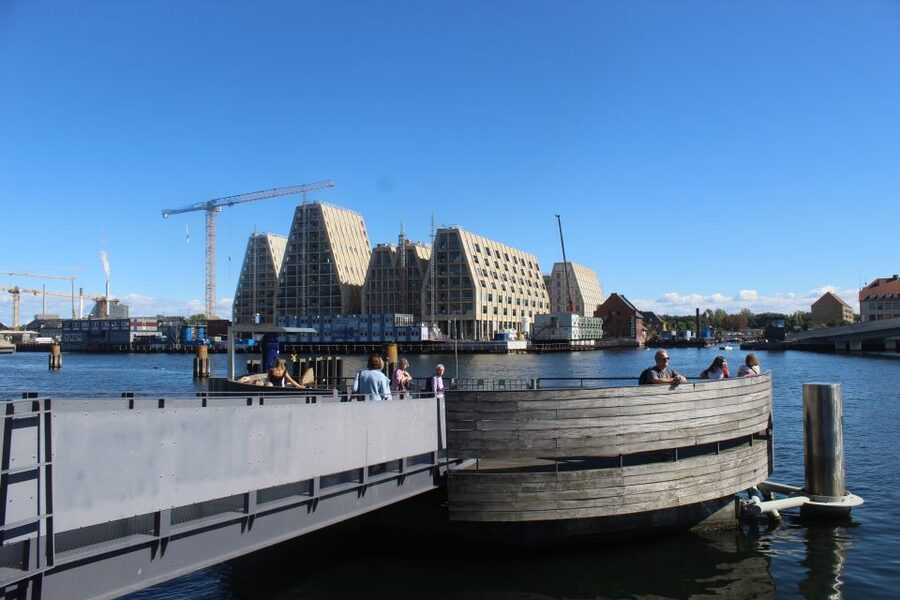
Next comes the area around Papiroen, which used to be a paper mill. The tour focuses on how the site has been transformed into an urban space that still acknowledges its industrial past—meaning you can see the “before and after” logic in the built environment.
You’ll admire the market-building architecture and get harbor views, but the real value is the explanation: how preservation efforts and new development can work together instead of replacing everything. That’s a theme Copenhagen does well, and this stop gives you a concrete example.
Krøyers Plads is another harbor-side stop on the route with a guided segment. You won’t spend the whole tour parked at one spot, so think of this as a transition area—where your guide helps you connect the harbor’s different chapters as you walk.
Operaen on the Water: A Modern Landmark Completed in 2005
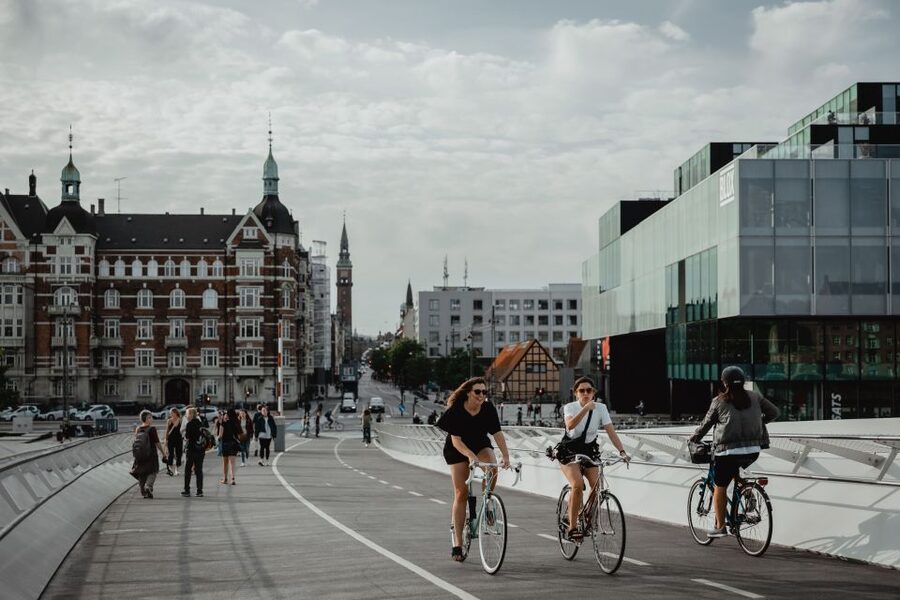
Then you’ll shift to Operaen, the modern opera house on the waterfront. The key detail to remember: it was completed in 2005, and it’s treated here as a landmark that quickly became part of Copenhagen’s cultural identity.
Your guide shares the architecture story and ties it to the surroundings—how the design was inspired by the harbor and by Denmark’s cultural heritage. In other words, Operaen isn’t explained as random modern “wow.” It’s presented as a building that fits into the city’s water-facing personality.
Photo note: the waterfront context is everything. If you take photos at Operaen, try a few angles that include the water and the nearby harbor geometry, not just the building surface.
More slow hours out on the canals and the harbour





Cirkelbroen and the Royal Library Photo Stop
Cirkelbroen is one of those structures you understand quickly because it’s functional and clever. It’s a pedestrian bridge with a design inspired by the circles of life, and it connects the harbor sides while creating an architectural moment you can walk through.
This is the kind of stop that rewards curiosity. You’re not just crossing from A to B; you’re viewing how architecture can be designed for movement, not only for standing and admiring.
After the bridge segment, there’s a photo stop at the Royal Library of Denmark. You’ll have time for pictures, but this is less about a long guided lecture and more about letting you capture the viewpoint in context.
If you want the best photos, treat this as a “right place, right angle” moment. Don’t wait until you’re halfway through to start shooting—grab a few quick frames early, then fine-tune.
Danish Architecture Centre: Turn Sightseeing into Architecture Understanding
The tour includes a guided stop at the Danish Architecture Centre (DAC). This part is valuable because it helps you connect what you saw outdoors—old harbor life, industrial conversion, and contemporary landmarks—to the bigger story of Copenhagen’s design approach.
This is also where you often get the clearest explanation of why the city is considered important in architecture circles. The tour format makes it feel like a continuation of the walk rather than a separate museum detour.
I like finishing here because it gives you a mental framework. When you later wander on your own, you’ll notice more than just what’s pretty—you’ll start spotting design choices, urban planning decisions, and the way Copenhagen uses waterfront space.
Price and Value: When $394 Per Group Makes Sense
At $394 per group up to 2, you’re paying for a private guide and a two-hour architecture-focused route. That’s not cheap, but it’s not random expensive either.
Here’s the value math that helps:
- If you’re sharing the group with one other person, the cost per person drops a lot.
- If you’re traveling solo, it’s still a strong buy if architecture is a priority, because you’re effectively buying time with a guide and a tight selection of sites in a short window.
The tour’s structure also supports the price. It’s not a long wandering walk. You get multiple guided segments, a bridge moment, and an architecture center stop, all in a manageable time span.
If you like your city travel with context—why a building looks the way it does, how neighborhoods evolved, and what planning choices shaped the waterfront—this is the right kind of splurge.
What to Bring and How to Prepare for Rain or Shine
Bring water and wear comfortable clothes. Since the tour runs rain or shine, you’ll want footwear that works on wet sidewalks and a layer that’s easy to manage.
If you’re photo-first, wear something you can move in—this route is short stops plus walking, so you’ll likely keep repositioning for shots of harbor details and waterfront angles.
And because food and drinks aren’t included, don’t plan the whole afternoon around this as your only activity. Give yourself time after the tour for a snack or a meal so you’re not negotiating hunger while you’re trying to enjoy architecture.
Should You Book This Copenhagen Harbor Architecture Walk?
Book it if you want a structured way to understand Copenhagen’s harbor—from Nyhavn and industrial conversion at Papiroen to the modern icons of Operaen and Cirkelbroen. It’s also a great fit if you prefer a private format where the guide can keep the pace comfortable and answer questions in a smaller group.
Skip it if you need fully accessible routes, since it’s not suitable for people with mobility impairments or wheelchair users. And if you’re expecting a long, sit-down tour with lots of indoor time, this one stays mostly outdoors and on waterfront pathways.
FAQ
FAQ
How long is the Copenhagen Harbor Architecture Private Walking Tour?
It lasts 2 hours.
Is this tour private?
Yes, it’s a private group tour.
What does the price include?
The guide and the walking tour are included.
Where is the meeting point?
You meet in front of the Scandic Hotel, right on Ofelia Plads.
Where does the tour finish?
The tour finishes at Islands Brygge 4, 2300 København.
Which stops are included on the route?
Stops include Ofelia Plads, Nyhavn, Krøyers Plads, Cirkelbroen (Circle Bridge), a photo stop at the Royal Library of Denmark, the Danish Architecture Centre, and the tour ends on Islands Brygge.
Are food and drinks included?
No, food and drinks are not included.
What languages are the guides available in?
English and Spanish.
Should I expect the tour to run in bad weather?
Yes. The tour takes place rain or shine.
Is hotel pickup or drop-off included?
No, hotel pickup and drop-off are not included.
More Tour Reviews in Copenhagen
Back Out on the Canals

More Highlights & Hidden Gems


Fresh Off the Cobbles: The Newest Copenhagen Reviews









Nyhavn Canal Cruises & Harbour Boats, compared.
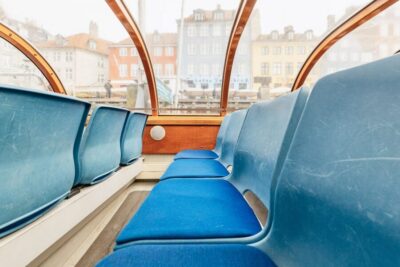 ★ 4.6Canal Cruise with GuideFrom $269,115 reviews
 ★ 3.9Hop-On Hop-Off Bus Tour with Boat Tour OptionFrom $354,122 reviews
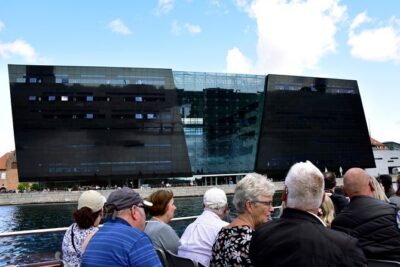 ★ 4.5Copenhagen Sightseeing Classic Canal Tour With Live GuideFrom $331,906 reviews
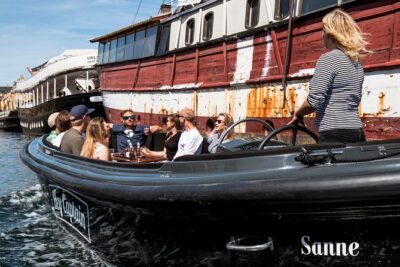 ★ 5.0Social Sailing – Copenhagen Canal Tour – Captain’s FavoriteFrom $1051,610 reviews
 ★ 4.8Guided Canal Tour by Electric BoatFrom $411,341 reviews
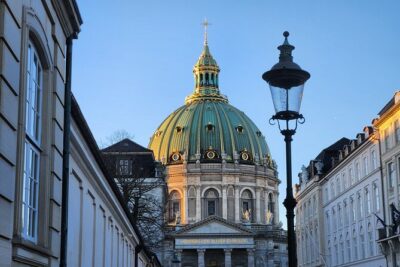 ★ 5.0Walk & Canal Tour: Copenhagen Highlights + Changing of the GuardsFrom $77580 reviews
 ★ 4.0Copenhagen Bus and Boat ticket, Valid 48 HoursFrom $63565 reviews
 ★ 3.5Copenhagen Hop-on Hop-Off Bus with Boat OptionFrom $36541 reviews
Browse the lists this tour appears in