
Reviewed · COPENHAGEN HYGGE, HIGHLIGHTS & HIDDEN GEMS
Good Morning, Copenhagen: Feel The Danish Hygge & Happiness
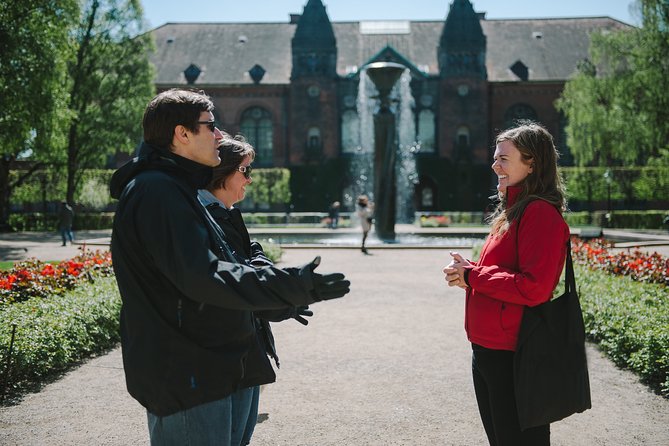
Hygge gets a walking route. This 3.5-hour Copenhagen tour blends Danish culture and happiness ideas with real local streets and treat stops that keep the morning relaxed. You’re guided by an English-speaking local, with plenty of time for questions in a small group.
The big trade-off: you won’t go inside any major sights here. Expect exteriors only at places like Rosenborg and Christiansborg, so if you want heavy museum time, plan that separately.
In This Review
- Key highlights I’d plan around
- Why This Hygge and Happiness Walk Works in Copenhagen
- Starting in Nyboder: Yellow-House Copenhagen and a Local Guide
- Cobblestones and Calm: Krusemyntegade and the First Danish Taste
- Kongens Have and Rosenborg Views: Green Space in the Middle of It All
- Pistolstræde Flødeboller Break: Quiet Alleys and Sweet Explanations
- Nikolaj Kunsthal and Christiansborg: Jante, Religion, and Danish Happiness Logic
- Magstræde Back Route and the Final Café Pour
- Price and Timing: Is It Good Value at About $82?
- Who Should Book This Hygge Morning?
- Should You Book Good Morning, Copenhagen?
- FAQ
- How long is the Good Morning, Copenhagen tour?
- How much does the tour cost?
- What is included in the tour price?
- Will we enter any buildings during the tour?
- What group size should I expect?
- Is the tour offered in English?
- Where does the tour start and end?
- What should I bring or wear?
Key highlights I’d plan around
- Small group feel (max 10): better conversation, fewer headcounts, easier pace.
- Treats that fit the concept: pastry, coffee/tea, and flødeboller show up at the right moments, not as an afterthought.
- Old Copenhagen streets on foot: cobblestones, timber-framed buildings, and calm side alleys.
- Happiness talk with real Denmark context: you’ll hear about Jante and how it connects to daily life.
- Green break between sights: Kongens Have slows you down before the city gets busy again.
- Hands-on recommendations: you leave with personalized ideas for what to do next.
Why This Hygge and Happiness Walk Works in Copenhagen
Copenhagen can feel like it’s in a hurry even when you’re on vacation. This tour counteracts that with a simple rhythm: walk, pause, snack, listen, and repeat. It’s built for people who want to feel how Danes keep life calm, not just tick off landmarks.
What I like most is the balance of culture talk and real-world wandering. You get stories tied to everyday Danish habits, then you see the neighborhoods where that mindset makes sense. And because the group is capped at 10, your guide can actually answer questions without rushing you out the door.
The best part, from a practical standpoint: it’s a strong first-morning orientation. By the time you finish, you usually know which streets to return to later, what to prioritize, and how the city’s “quiet pockets” fit into the busy core.
More highlights, hidden corners and a little hygge on foot


Starting in Nyboder: Yellow-House Copenhagen and a Local Guide
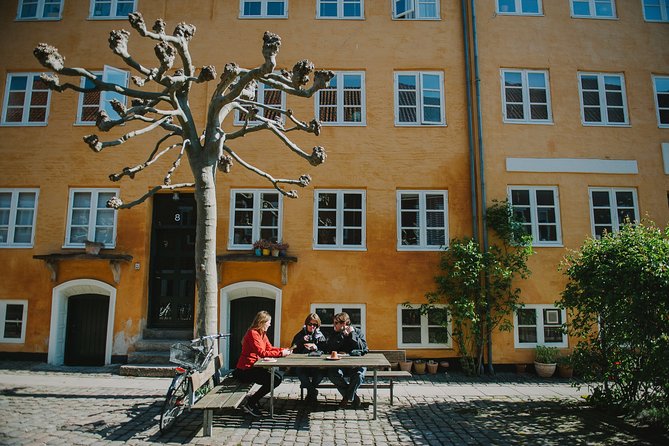
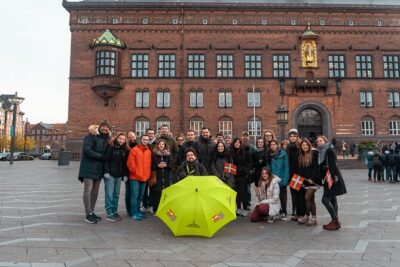
Your morning begins near Krokodillegade 21, in the Nyboder area, known for its classic yellow houses. It’s a great starting point because it immediately shows a Copenhagen that isn’t just canals and postcards. You meet your native English-speaking guide there, and you’ll likely hear how locals think about community, home life, and the calm side of city living.
This is also where the guide style really shows. Reviews commonly mention guides like Therese, Karoline, Lukas, Laura, Sandra, Oskar, Jacob, Peter, Liva, and Magnus for storytelling and quick answers. Even if your guide is different, the promise is consistent: you’re not stuck listening to a lecture. You’re with a person who lives here and knows where the stories come from.
You also get a quick lesson in Danish “time.” The tour doesn’t feel like it’s chasing monuments. It feels like you’re learning how to slow down in the city.
Cobblestones and Calm: Krusemyntegade and the First Danish Taste
Next comes older Copenhagen streets where the ground itself seems to set the mood. Expect cobblestones, timber-framed buildings, and pockets of calm that make it easier to understand why Copenhageners value staying cozy even outdoors.
Krusemyntegade is one of the streets you’ll walk through, and it’s the type of place you’ll want photos of. But the more useful takeaway is how the street layout shapes the feeling of “hygge”: narrower lanes, slower foot traffic, and a sense of scale that doesn’t overwhelm.
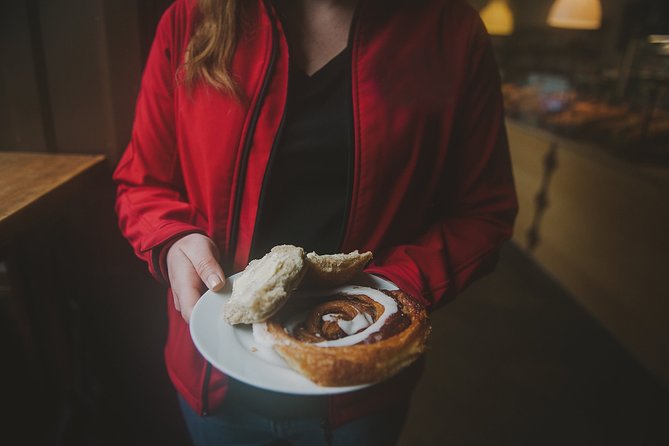
Then the tour shifts into food mode for a reason. You’ll taste classic Danish pastries early on, with a relaxed introduction to why these sweets matter for both childhood and adulthood in Denmark. This isn’t just a snack break—it’s a cultural pattern. Danes often treat small rituals as important, and the tour uses that idea to keep the morning feeling light.
Kongens Have and Rosenborg Views: Green Space in the Middle of It All
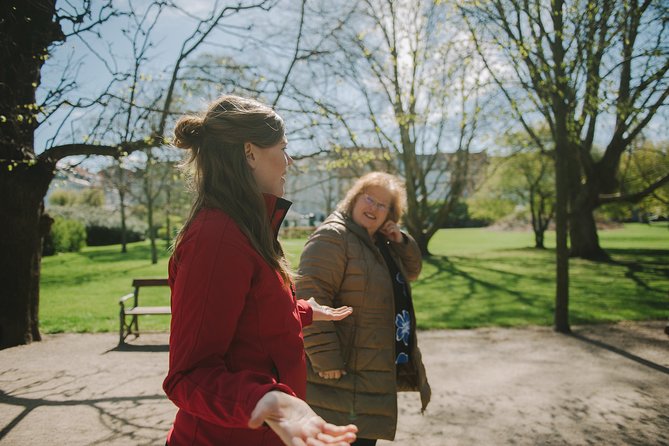
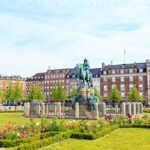
One of the smartest parts of this route is the green interruption. You’ll head to Kongens Have (The King’s Garden), a calm, historic park that gives you breathing room right after the city streets. This is where the pace naturally softens, and it helps you experience hygge as something physical, not just a word.
Your guide explains how the space became one of the first public parks and adds the kind of Copenhagen humor that locals seem to love—royal drama mixed with human messiness. The key point for you: this stop isn’t “nature time” only. It’s a story-driven pause that helps you understand how history shapes public life now.
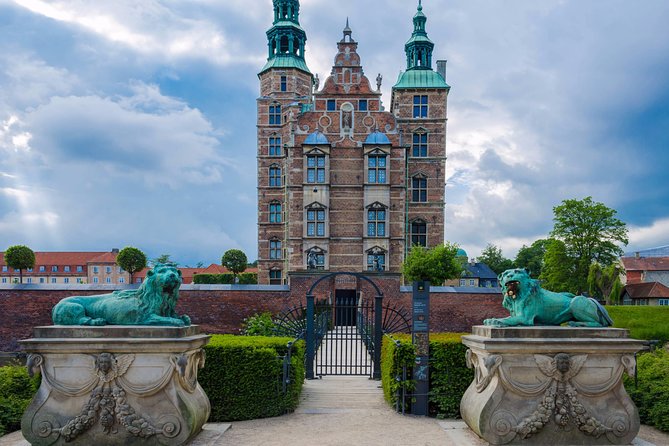
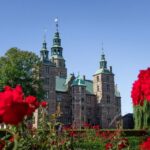
From there, you’ll look toward Rosenborg Castle. You’ll get the view and the context from the outside, plus stories tied to King Christian IV and the castle’s famously cute, miniature feel. Because you won’t go inside, this part is best for people who enjoy atmosphere and backstory more than museum rooms.
Pistolstræde Flødeboller Break: Quiet Alleys and Sweet Explanations
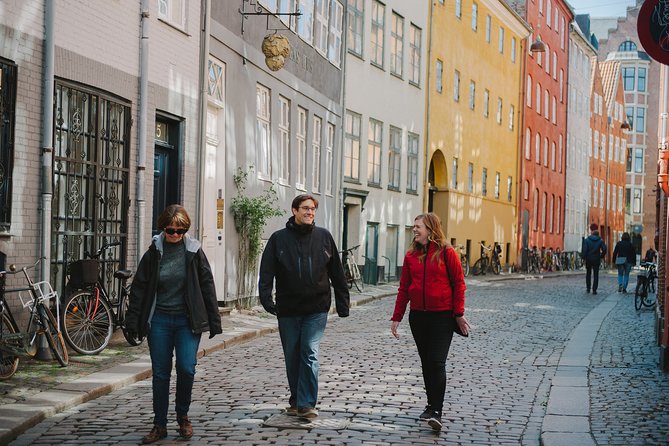
After the castle area, the route turns more intimate. You’ll detour to Pistolstræde, a tucked-away alley where the street noise drops and the mood changes. This is exactly the kind of “small space” that hygge talks about: a place to slow down, sit, and take in your surroundings.
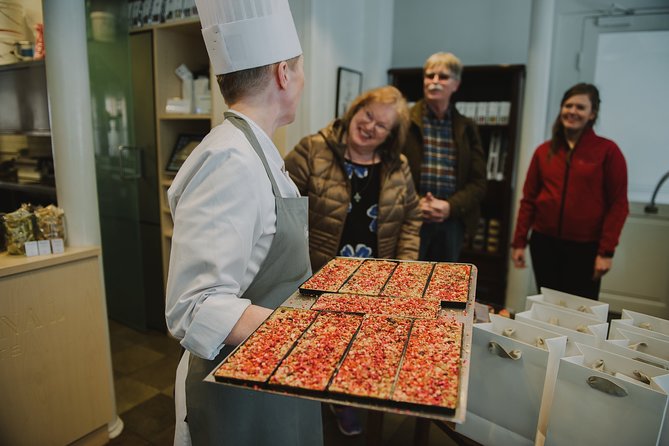
Here’s where flødeboller show up. Your guide will explain what the treat is and how it connects to Danish culture from a young age, then you’ll try it. If you’ve never had flødeboller before, consider this stop the easiest entry into Danish sweetness without needing a long bakery crawl later.
This is also a strong group moment. The route creates time for you to bond—some people talk with their guide, others chat with the group, and everyone gets a real pause built into the schedule. That’s worth more than it sounds, especially in a city where every street seems designed to tempt you forward.



Nikolaj Kunsthal and Christiansborg: Jante, Religion, and Danish Happiness Logic
Then the tour moves into a more thoughtful, “why Denmark is Denmark” zone.
You’ll head to Nikolaj Kunsthal, where the guide helps you look closely at a spire that might look church-like at first glance. From outside, you’ll learn about local views on religion and how those ideas still show up culturally today. It’s a good reminder that Copenhagen’s architecture carries opinions, not just aesthetics.
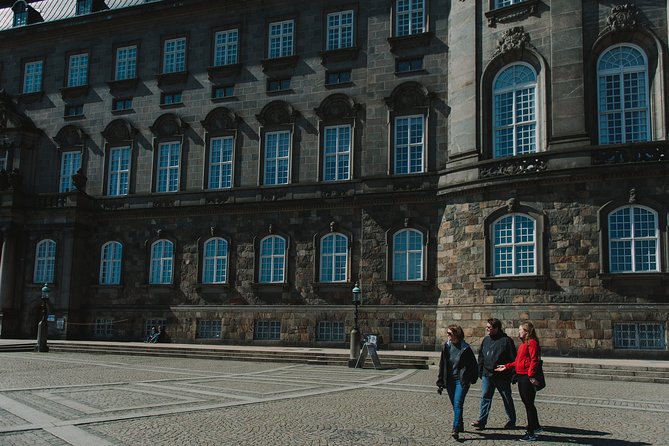
Next comes Christiansborg Slot, today the Danish parliament. This is where the happiness talk gets specific. You’ll hear secrets about Danish politics and the welfare system, plus the “we’re all in this together” idea behind the cultural law of Jante. The overall message is practical: Denmark’s high trust culture is tied to how society is structured and how people are encouraged to behave.
If you’re the kind of visitor who likes to understand the “rules” behind the way people live, this is the section you’ll remember. It takes hygge out of the realm of candles and comfort food and connects it to social expectations.
One more important note: interiors are not part of this experience. At Christiansborg and other landmarks along the way (including the Old Stock Exchange area), you’ll experience them from outside. That can be a drawback for museum lovers, but it also keeps the tour moving at a comfortable walking rhythm.
Magstræde Back Route and the Final Café Pour
On the way back, you’ll pass through Magstræde, one of Copenhagen’s cutest streets. This is a shorter, visual “reward” stop—more about atmosphere and photo-ready charm than long explanations. You’re also walking back across the city core, so it helps to know you’re going from quieter corners toward livelier pedestrian streets.
The tour ends at a well-chosen café in the city centre, on a quiet street. You’ll have a cup of coffee or tea and enjoy the tour’s hygge finale. Your guide also gives recommendations so you can keep exploring after the last step of the route.
In other words: the ending isn’t just a drop-off. It’s a handoff. You leave with ideas for what to do next, based on your interests and what you’ve already seen this morning.
Price and Timing: Is It Good Value at About $82?
At $82.23 per person for about 3 hours 30 minutes, the value depends on what you want from a walking tour.
Here’s what you’re paying for that’s hard to replicate on your own quickly:
- A native local guide in English with lots of time for questions.
- Planned tastings (pastry, coffee/tea, and flødeboller) tied to culture, not just random stops.
- A structured route that covers multiple neighborhoods without you having to map everything.
- Personal recommendations to improve the rest of your trip.
The booking pace is also a clue: it’s commonly booked around 47 days in advance. That suggests demand, so if your dates are fixed, you’ll feel better booking earlier rather than later.
For most visitors, the tour feels like a great “morning anchor” that gets you oriented and gives you a taste of Danish everyday life. For budget travelers, it may not feel as worth it if you planned to skip paid tours altogether. But for first-timers who want a guided intro without a rushed day, it’s strong value.
Who Should Book This Hygge Morning?
This tour is a good fit if you want:
- A calm, chatty walking experience with a maximum of 10 people
- Danish culture explained in everyday terms, including happiness ideas and social concepts
- Several structured pauses to snack and rest your feet
- Outdoor-only sightseeing paired with tastings and context
It’s also child-friendly. Children ages 6 to 11 can join at the listed child rate, and children under 6 can join free. If you’re traveling with family, the lighter pace and snack rhythm can make the morning easier.
You’ll want moderate walking fitness. You’re on foot for multiple city stops, so good shoes matter. Denmark weather can shift fast, so bring an umbrella or rain jacket.
Should You Book Good Morning, Copenhagen?
Yes, if you’re trying to understand Copenhagen beyond the big sights. This is one of those tours that gives you a lens. You walk away with the sense of how hygge shows up in daily behavior, why happiness is talked about in specific social ways, and which streets feel worth returning to later.
Skip it if your priority is indoor access to major attractions. Since the experience stays outside at key landmarks, it won’t replace a museum day or a castle interior visit.
If you’re deciding between a generic highlights walk and a culture-flavored morning, this one leans the right way: stories, small pauses, and the food rituals that make hygge feel real rather than staged.
FAQ
How long is the Good Morning, Copenhagen tour?
It runs for about 3 hours 30 minutes.
How much does the tour cost?
The price listed is $82.23 per person.
What is included in the tour price?
It includes a native English-speaking guide, one-on-one recommendations, coffee and/or tea, and pastry, plus Danish hygge experiences along the route.
Will we enter any buildings during the tour?
No. You won’t access the inside of buildings at places like Rosenborg Castle, Christiansborg Palace, the King’s Yellow Houses, the Old Stock Exchange, or Nikolaj Kunsthal. The tour focuses on exteriors.
What group size should I expect?
The group is limited to a maximum of 10 travelers.
Is the tour offered in English?
Yes, it is offered in English.
Where does the tour start and end?
It starts at Krokodillegade 21, 1326 København K, Denmark, and ends in Copenhagen City Centre on Læderstræde.
What should I bring or wear?
Wear suitable footwear for walking, and bring an umbrella or rain jacket in case of rain.
More Tour Reviews in Copenhagen
More Highlights & Hidden Gems


Fresh Off the Cobbles: The Newest Copenhagen Reviews









Copenhagen Hygge, Highlights & Hidden Gems, compared.
 ★ 5.0Private Walking Grand Tour of CopenhagenFrom $3423,953 reviews
 ★ 5.0Copenhagen Highlights Walking TourFrom $402,324 reviews
 ★ 4.8Highlights 3 Hour Bike Tour with a Local GuideFrom $622,312 reviews
 ★ 5.0Politically Incorrect Private Highlights Walking TourFrom $3741,244 reviews
 ★ 4.73-Hour City Highlights Bike Tour with GuideFrom $551,239 reviews
 ★ 5.0Copenhagen Highlights 3 Hour Bike Tour with local GuideFrom $611,125 reviews
 ★ 4.7Group Walking Tour – City Highlights – 2 HoursFrom $391,088 reviews
 ★ 5.03-hour Copenhagen City Highlights Bike TourFrom $54757 reviews
Browse the lists this tour appears in