
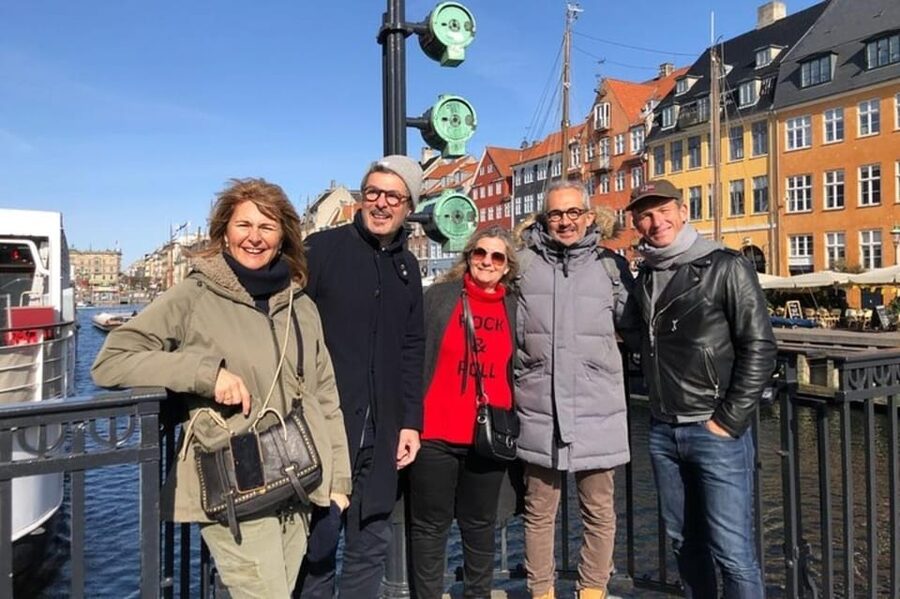
Reviewed · COPENHAGEN HYGGE, HIGHLIGHTS & HIDDEN GEMS
Copenhagen: Highlights and Hidden Gems Walking Tour
Good streets can teach you faster than museums. This 3-hour walk strings together Copenhagen’s big sights in a way that actually helps you place them, from the colorful quays of Nyhavn to the Marble Church (Frederiks Kirke). I especially like how the guide turns landmarks into real stories, and how I get practical next-step advice for the rest of my trip. One drawback to consider: it’s mostly walking and photo stops, so if you’re prone to fatigue, plan for a slow pace and comfy shoes.
I also like the feel of a small group tour with room for questions. In the guide line-up, names like Simona, Mood, and Frédéric pop up in standout experiences, and the common thread is clear: they adjust to what you care about and keep the flow moving without making it feel rushed. If you want every stop to be deep-history only, you might wish for a longer format, but for getting oriented, this one works.
In This Review
- Key highlights worth prioritizing
- Copenhagen on foot: why this 3-hour loop makes sense
- Starting at Studiestræde 52: get oriented before the landmarks
- Strøget and the shopping street feel: real city energy without overbuying
- Christiansborg Palace: learning the setting, even if you don’t go inside
- Magasin du Nord: a landmark stop that teaches the city’s pulse
- Royal Danish Theatre and the stage-side streets
- Amalienborg Palace: royal scale you can actually grasp on foot
- Frederiks Kirke (The Marble Church): rococo details you’ll spot faster
- Nyhavn: the colorful canal walk that makes the whole trip click
- Lur Blowers by City Hall: the small stop that adds meaning
- What you’ll actually learn from the guide (and why that matters)
- Pacing, comfort, and who this tour fits best
- Languages and group options: smoothing out the experience for your style
- Price and value: $58 for 3 hours, and what you’re really buying
- Should you book this Copenhagen highlights walk?
- FAQ
- Where do I meet the guide?
- How long is the tour?
- Is the tour private or shared?
- What languages are available?
- What are the main sights included?
- Is the tour wheelchair accessible?
Key highlights worth prioritizing
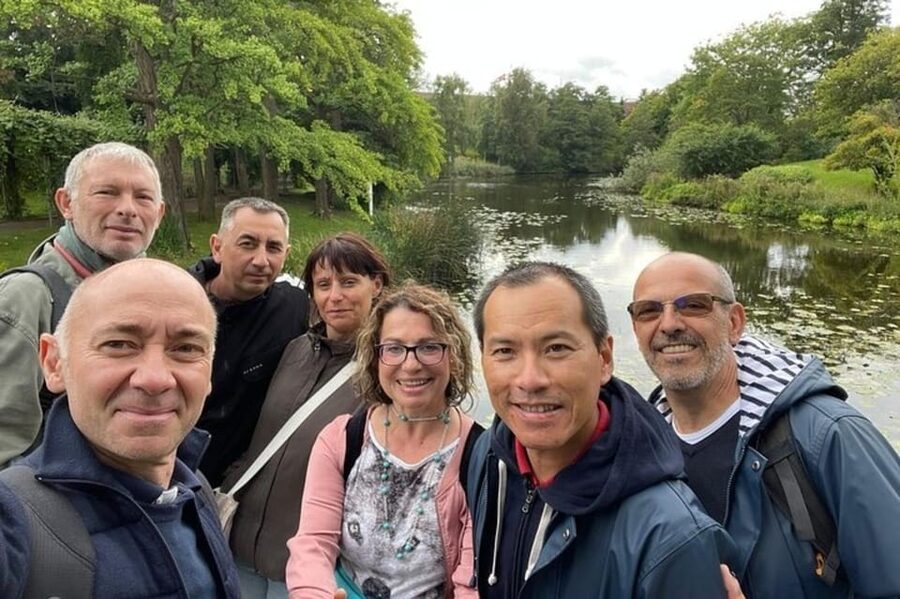
- Nyhavn’s facades and canal energy: you’ll get the signature waterfront view early enough to enjoy it without sprinting.
- Frederiks Kirke (The Marble Church): a key stop for spotting the rococo look and understanding why it’s famous.
- Amalienborg + Christiansborg outside looks: royal-palace scale without needing to line up for separate visits.
- Strøget and Magasin du Nord: the shopping street and a department-store landmark for a real sense of city rhythm.
- Lur Blowers monument by City Hall: a quick, thoughtful moment that helps you connect Danish heritage to what you’re seeing.
- Guide Q&A and tailored tips: repeated praise for guides who answer curiosities and suggest where to go next.
Copenhagen on foot: why this 3-hour loop makes sense

Copenhagen can feel big in the way only a great capital can. You’ll see water, palaces, churches, shopping streets, and grand civic buildings all packed into a walkable center. This tour works because it builds an order you can remember: start with the street-level scenes, then shift to the royal and ceremonial landmarks, and finish with the waterfront character that puts the city on your radar.
You don’t just get snapshots. You get a guide who points out what matters—architecture cues, how places relate to Danish life, and what to watch for when you keep exploring on your own. And because it’s a walking format, you’re not stuck in one spot waiting for “the good part.”
Value check: at about $58 for a 3-hour guided walk, you’re paying for orientation and interpretation. If you already know the city well, you could self-tour. But if you’re using Copenhagen as a base for a short stay, paying for a guide is one of the quickest ways to avoid the classic first-day problem: seeing a lot, remembering little.
More highlights, hidden corners and a little hygge on foot

Starting at Studiestræde 52: get oriented before the landmarks
Your meeting point is Studiestræde 52, and that matters more than you’d think. This is the kind of central location where you can start walking immediately and still feel like you’re stepping into the real day-to-day Copenhagen, not a “tourist bubble.”
Within the first stretch, you’ll be able to set your bearings. The route is built so you can connect street patterns to major sights, which makes the rest of your trip easier. You’ll also have a chance to size up the group pace early on—especially if you’re doing the shared option.
If you’re traveling with a friend and want to avoid the “we’ll figure it out later” chaos, this start gives you momentum. And if you’re solo, it’s a simple way to get a local voice in your pocket for questions.
Strøget and the shopping street feel: real city energy without overbuying

One of the early stops is Strøget, including a photo stop and guided walk time. This is Denmark’s famous shopping street, and it’s useful for more than shopping. It shows how Copenhagen moves at street level: where people pause, where the flow tightens, and how retail sits alongside civic prominence.
What I like about starting with Strøget is that it gives you a baseline. After palaces and church domes, the street scene helps you remember the city’s human scale. And because you’re guided, you’re not just walking past stores—you’re learning what kind of place Strøget is and why it’s important to the city’s layout.
Practical tip: if you have a small window for shopping later, you’ll leave this stop knowing where the action concentrates. But keep it light during the tour. You’ll get better shopping results when you have a plan afterward rather than trying to make purchases while moving.
Christiansborg Palace: learning the setting, even if you don’t go inside
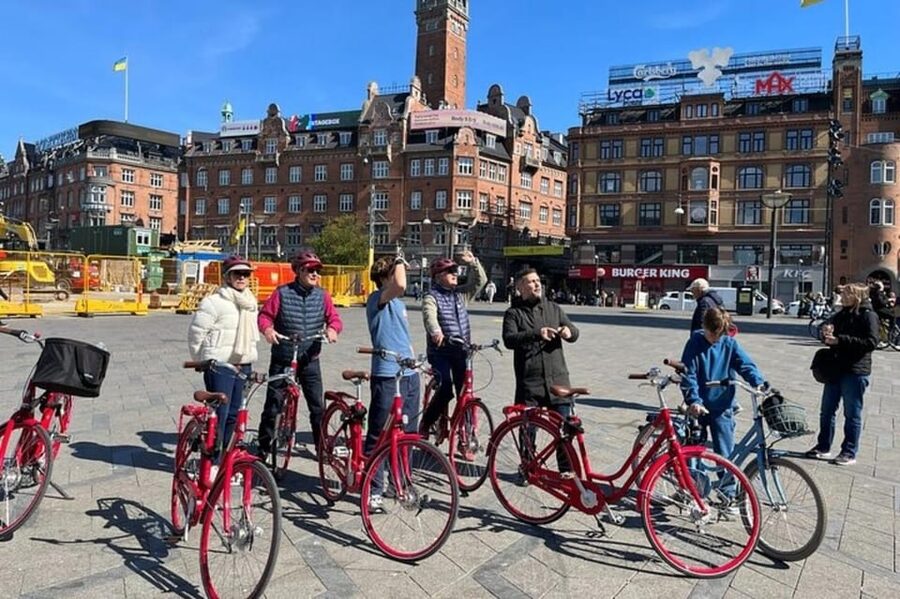
Next comes Christiansborg Palace. You’ll have time for a photo stop and a guided walk-and-see moment. Even if you don’t plan to enter (the tour is walking-focused), the exterior perspective helps you understand why this building shows up in conversations about Danish governance and public life.
A good guide makes these stops land. You’ll hear which parts of the area are most recognizable, and why the palace is tied to the bigger Copenhagen story you’re assembling. And because you’re moving on foot, you’ll see the relationship between the palace area and nearby streets, not just a single front view.
Possible drawback: if you’re the type who wants every big attraction fully explored in depth, a photo-stop format can feel brief. But as an orientation move, it’s strong.
Magasin du Nord: a landmark stop that teaches the city’s pulse

Then you’ll pass Magasin du Nord, with another photo stop and guided context. Department stores can seem like just another building—until someone explains what makes that particular one recognizable in the city’s everyday fabric.
This stop is helpful because it balances the heavier ceremonial landmarks. You get a sense of how Copenhagen mixes official grandeur with shopping and daily routines. And since you’re walking through the center anyway, it’s a low-effort stop that adds meaning.
If you’re the kind of traveler who likes to understand what places do for locals—not just what they look like—this is the sort of stop that makes the tour feel worthwhile.



Royal Danish Theatre and the stage-side streets

The Royal Danish Theatre Play House is next, with photo and guided sightseeing time. The theatre area is one of those city zones where architecture and culture overlap. Even without entering, you can pick up what makes the area distinct and why Copenhagen cares about performance culture.
What I like most here is contrast. After Strøget and palace-scale buildings, the theatre stop gives you a cultural lens. You start thinking of Copenhagen not just as a political or shopping city, but as a place that centers arts and public life.
Keep your eyes open for street details. In this part of the walk, the guide’s job is to point out what you might otherwise miss: the way the streets funnel toward cultural anchors, and how those anchors shape pedestrian flow.
Amalienborg Palace: royal scale you can actually grasp on foot

The walk continues with Amalienborg Palace, again with photo, guided tour, and sightseeing time. Palaces can be hard to fully picture until you see how they sit in the streets around them. Walking past gives you real scale: how much room the palace footprint seems to take, and how the neighborhood pattern supports the grandeur.
A strong guide also helps you place what you’re seeing in Denmark’s identity. You’ll get explanations that connect the buildings to national life, not just royal names.
If you care about architecture, this is a good stretch for attention. Amalienborg isn’t just “pretty”; it’s part of a system of ceremonial spaces in the center that you’ll start to recognize as you go.
Frederiks Kirke (The Marble Church): rococo details you’ll spot faster
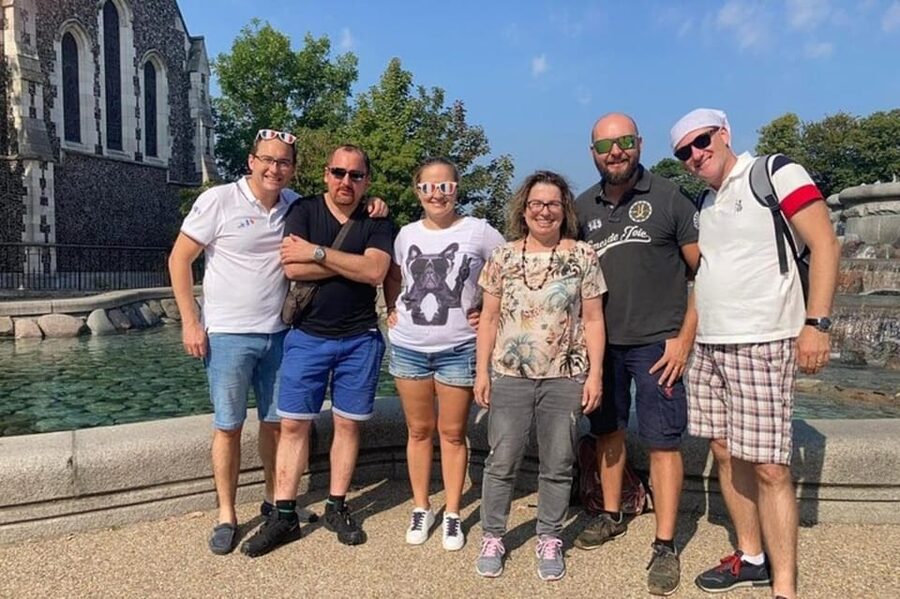
Then you’ll get to Frederiks Kirke, known as The Marble Church. This stop is a standout because it’s described with two key terms you can look for immediately: the marble nickname and the rococo architecture. Those words aren’t just marketing. They help you know what features to pay attention to when you’re standing there.
A guided walk makes this much easier. Instead of scanning randomly, you learn where to focus—what to look for in the style, and why Copenhagen points to this church as a major architectural landmark.
Practical note: churches can be busy. You don’t need to treat this like a race. Slowing down for the details is what turns this stop from a “saw the building” moment into a “now I get it” moment.
Nyhavn: the colorful canal walk that makes the whole trip click
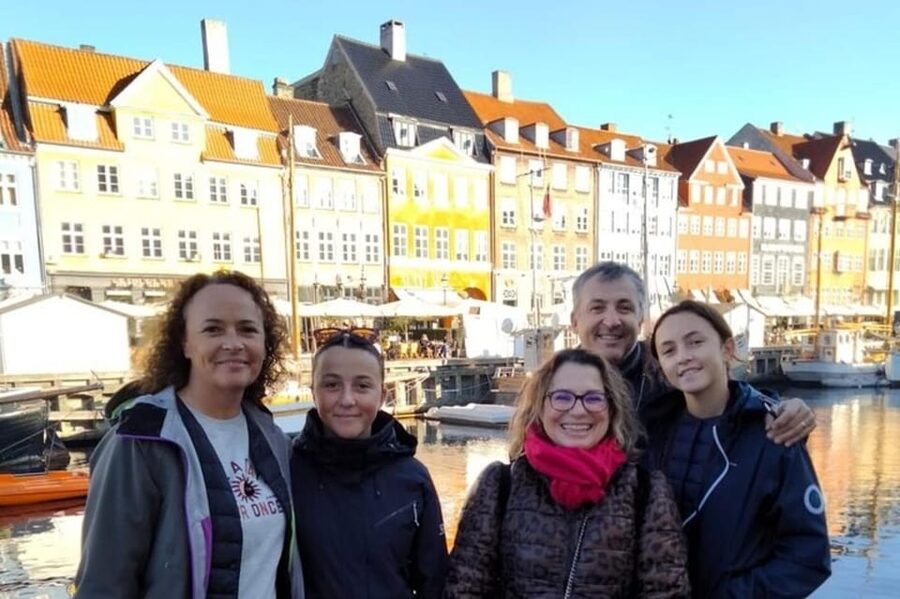
Finally, you reach Nyhavn, with photo stop and guided tour time. This is the classic Copenhagen postcard view—colorful 17th and 18th-century townhouses along the waterfront, plus the sense of activity that makes the area feel alive.
I like that Nyhavn is near the end. By then, your brain has context. The royal and ceremonial landmarks stop feeling like random stops, and the waterfront feels like the city’s social counterpart. You’ve learned how Copenhagen signals identity in buildings; now you see how it does the same in street life and water-adjacent culture.
If you’re staying longer than a day, Nyhavn is also a useful reference point. You’ll know where you are and how to return later for a calmer look, maybe at a different time of day when the light changes.
Lur Blowers by City Hall: the small stop that adds meaning
A thoughtful moment comes at the Lur Blowers monument next to City Hall. This isn’t the kind of landmark you’d always notice on a quick walk, which is exactly why it’s worth having a guide. You’ll learn about its role in Danish heritage, and that bit of meaning changes how you see public art in the city.
This stop is quick but memorable because it reminds you that Copenhagen’s identity isn’t only in famous palaces and churches. It’s also in civic symbols and public sculptures tied to heritage.
If you’re the type who likes to understand the “why” behind what you’re seeing, this is one of the best uses of a 3-hour guided format.
What you’ll actually learn from the guide (and why that matters)
Across the experience, the guide is the real product. People end up loving the tour because the guide does three things well: gives clear context, answers questions, and shares practical recommendations for the rest of your trip.
In particular, names like Simona and Mood come up as guides who handle curiosity with patience and energy. Frédéric also appears as a guide who makes people feel comfortable while explaining Copenhagen and Danish customs. I take that seriously, because a walking tour can go one of two ways: informative and friendly, or stiff and fact-dumping. The better guides keep it interactive, using your questions to steer what you notice next.
What you should look for during the tour:
- Ask what to prioritize if you only have a limited number of hours.
- Ask what’s worth repeating on your own later.
- Ask what locals pay attention to when they’re showing friends around.
The best tours make you leave with a plan you can execute, not just photos.
Pacing, comfort, and who this tour fits best
This is a 3-hour walk with repeated photo stops and guided passes. That pacing is ideal for a first visit, or for a Copenhagen day where you want to cover a lot without burning your legs on a DIY route.
Who it suits:
- First-timers who want the key sights in a logical order
- Couples and solo travelers who like talking with a guide
- Short-stay visitors who need clear recommendations for the rest of their time
Who might want another format:
- If you want long, in-depth time inside every major building
- If you have a strict mobility limit and need a gentler option (though the tour is wheelchair accessible, the structure is still a walking experience)
My practical advice: wear comfortable shoes and keep water handy. You’re moving through the city center and stopping outside at several major landmarks.
Languages and group options: smoothing out the experience for your style
This tour runs with a live guide in English, French, Italian, and Spanish, and you can choose between private and group options. If you’re traveling as a group or want a more personal pace, private can help you slow down at the stops that interest you most.
The language flexibility is more than convenience. It often changes how much you’ll enjoy the tour, because you can ask questions in your own comfort zone instead of guessing at details.
If you like meeting new people and trading tips, the group option can be fun. If you prefer quieter, question-focused attention, private gives you that control.
Price and value: $58 for 3 hours, and what you’re really buying
At $58 per person for a 3-hour guided walk, you’re paying for:
- A local guide who can explain what you’re seeing (not just recite facts)
- A route that strings together major landmarks efficiently
- Help turning Copenhagen into something you can navigate afterward
If you’re comparing this to a self-guided walk, the difference is interpretation and time saved. You’d have to research where the key “meaningful” landmarks are and learn how they connect. Here, the guide gives you that connection as you go.
For me, the value is highest when you’re on a shorter trip and want to feel confident quickly. If you have multiple days and you enjoy exploring with maps, you could DIY. But if you want the city to click faster, this price is reasonable.
Should you book this Copenhagen highlights walk?
Yes, if you want a smart first-pass orientation through Copenhagen’s center—Nyhavn, royal palaces, Strøget, a major church, and a civic heritage stop—without wasting energy on figuring out what to see in what order. It’s also a great bet if you care about asking questions and getting tailored recommendations, since the guide experience seems to be the main reason people feel satisfied with the tour.
Consider booking a different style if you want long interior visits or you’d rather spend your time deeper in fewer places. This tour is about getting the map in your head, and then using your remaining time to explore with confidence.
If your goal is to leave your first day saying I get this city, then this walk is an easy yes.
FAQ
Where do I meet the guide?
Meet your guide at Studiestræde 52.
How long is the tour?
The tour duration is 3 hours.
Is the tour private or shared?
You can choose either a private group or a group option, depending on what you select.
What languages are available?
The live guide is available in English, French, Italian, and Spanish.
What are the main sights included?
The tour includes stops for Nyhavn, Frederiks Kirke (The Marble Church), Amalienborg Palace, Christiansborg Palace, Lur Blowers monument next to City Hall, plus Strøget, Magasin du Nord, and the Royal Danish Theatre Play House.
Is the tour wheelchair accessible?
Yes, it is listed as wheelchair accessible.
More Tours in Copenhagen
More Tour Reviews in Copenhagen
More Highlights & Hidden Gems

Fresh Off the Cobbles: The Newest Copenhagen Reviews

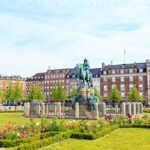



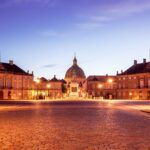




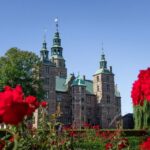
Copenhagen Hygge, Highlights & Hidden Gems, compared.
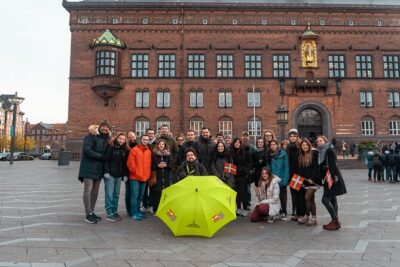 ★ 5.0Private Walking Grand Tour of CopenhagenFrom $3423,953 reviews
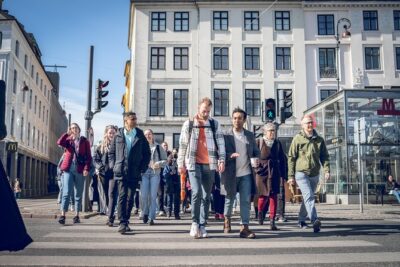 ★ 5.0Copenhagen Highlights Walking TourFrom $402,324 reviews
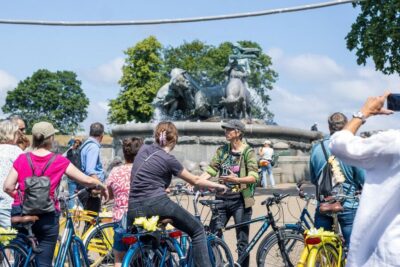 ★ 4.8Highlights 3 Hour Bike Tour with a Local GuideFrom $622,312 reviews
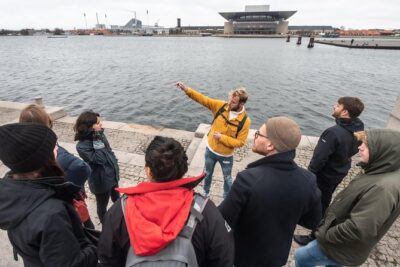 ★ 5.0Politically Incorrect Private Highlights Walking TourFrom $3741,244 reviews
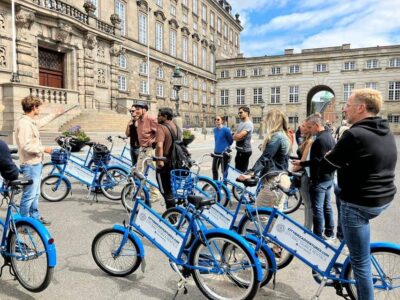 ★ 4.73-Hour City Highlights Bike Tour with GuideFrom $551,239 reviews
 ★ 5.0Copenhagen Highlights 3 Hour Bike Tour with local GuideFrom $611,125 reviews
 ★ 4.7Group Walking Tour – City Highlights – 2 HoursFrom $391,088 reviews
 ★ 5.03-hour Copenhagen City Highlights Bike TourFrom $54757 reviews
Browse the lists this tour appears in