
Reviewed · COPENHAGEN HYGGE, HIGHLIGHTS & HIDDEN GEMS
Copenhagen: Guided Walking Tour in French
Copenhagen works best on foot, and this tour keeps you moving. You get a French-speaking local guide to connect big landmarks to the Danish way of life, without wasting time. It’s built for small groups (up to 14), so questions stay easy.
I really like the focus on everyday Danish living as you pass major sites, not just a list of buildings. I also like the route choice, which strings together classic Copenhagen sights like Tivoli, Nyhavn, and Amalienborg in about 3.5 hours.
One potential drawback: the tour runs in French only, so if you’re not comfortable in French, you may spend more effort translating than enjoying the stories.
In This Review
- Key things to know before you go
- French Guided Walking Tour in Copenhagen: What You’re Really Buying
- Meeting at the Tivoli Area: Finding Your Guide Quickly
- Tivoli Gardens Pass-By: A Landmark With Real Local Weight
- Copenhagen City Hall: Where Civic Power Gets Visible
- Christiansborg Palace Walk: Denmark’s Seat of Power
- Copenhagen Stock Exchange + Church of Holmen: Money, Trade, and Belief
- King’s New Square Pass-By: A Quick Reset Before Nyhavn
- Nyhavn Walk: The Copenhagen You Came For
- The Playhouse, Copenhagen: Arts in the Middle of the City
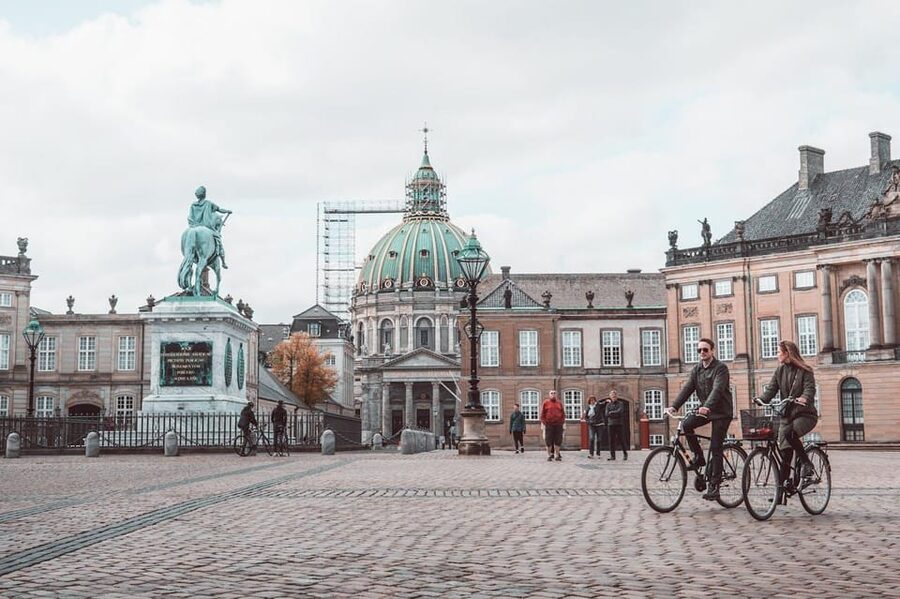
- Amalienborg Palace: Royals, Architecture, and Urban Style
- Gefion Fountain: A Storytelling Pause
- Kastellet, Copenhagen: Seeing a Fortified Shape in Modern City Life
- Iver Huitfeldt Memorial Finish: Closing the Loop
- Price and Value: Is $67 Fair for 3.5 Hours?
- Who This Tour Suits Best
- Should You Book This French Walking Tour?
- FAQ
- FAQ
- What language is the guide?
- How long is the walking tour?
- How large is the group?
- Where does the tour start?
- Are children and teens discounted?
- Is the tour wheelchair accessible?
Key things to know before you go
- French-only guide with a small group size (max 14), which helps the pacing and discussion.
- Value for money: a 3.5-hour guided walk for $67 that covers a lot of central highlights.
- Smart city sequence: Tivoli area to City Hall, then Christiansborg, Stock Exchange, Holmen, Nyhavn, and the palace zone.
- Family-friendly pricing: kids under 13 join free, and teenagers get a 40% discount.
- Central starting point across from Tivoli Gardens, making it easy to combine with other plans.
French Guided Walking Tour in Copenhagen: What You’re Really Buying
This is the kind of walking tour I like in cities like Copenhagen: practical route planning, real context, and a guide who can explain what you’re seeing as you see it. The big promise here is that the guide doesn’t treat landmarks like isolated photos. Instead, you connect them to Denmark’s social choices and how daily life is shaped.
For me, the best part is the balance: you get iconic stops plus areas people often walk past without noticing. You also get a French-speaking guide, and the group stays small enough that you can actually ask questions instead of shouting into the wind.
The route is also a good reminder that Copenhagen’s charm is not only “pretty.” It’s how the city was built, and why certain places grew as they did. Even if you’re visiting for the first time, this tour gives you a way to understand what you’re looking at fast.
More highlights, hidden corners and a little hygge on foot



Meeting at the Tivoli Area: Finding Your Guide Quickly
You start at the Copenhagen Visitor Service in the Axelborg building, directly across from Tivoli Gardens’ main entrance. It’s also adjacent to the SAS Radisson Collection Hotel, which makes it easier to anchor your bearings.
Here’s the on-the-ground detail that matters: your guide will wear a distinctive hat or cap. If the Visitor Service is open, you meet inside. If it’s closed, you meet just outside. That small instruction saves time when you arrive slightly early and don’t want to play guess-the-guide.
This is a good setup because Tivoli is a built-in landmark. If you’re the type who likes a smooth start, this helps.
Tivoli Gardens Pass-By: A Landmark With Real Local Weight
Right away, you’ll pass Tivoli Gardens. Even if you don’t plan to enter, it’s worth paying attention. Tivoli isn’t just a theme park-style diversion; it’s a major cultural reference point in Copenhagen. When a guide frames a place like this, you start to see how leisure, civic life, and urban identity overlap.
What I like about starting with Tivoli is momentum. You get a familiar marker immediately, then the tour moves into the government and business core.
Copenhagen City Hall: Where Civic Power Gets Visible
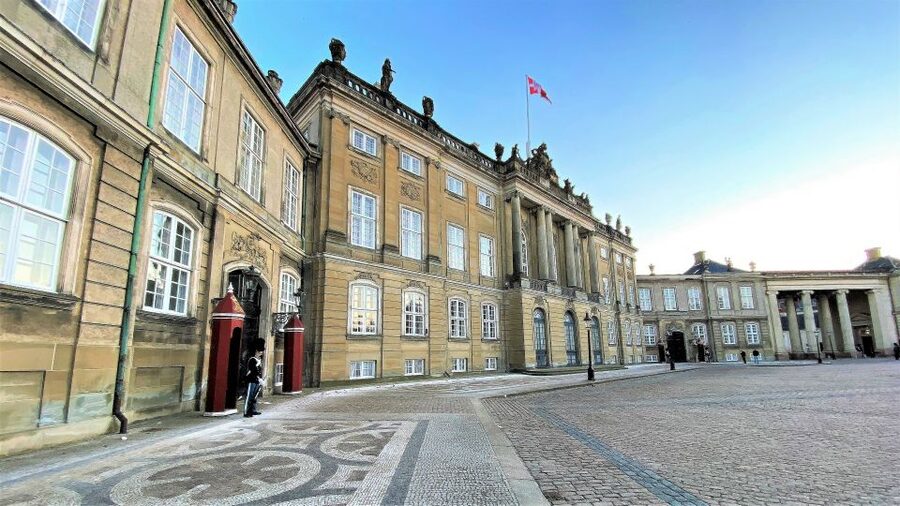
Next up is Copenhagen City Hall. This is one of those spots where photos can look “just architectural” until you understand the role the building plays in the city’s governance. The guide’s job here is to translate form into function: who it serves, how civic life connects to the urban space around it, and why this central area feels like the city’s main stage.
A small caution: because this is a walking tour, you’re not lingering forever. You’ll get solid explanations, but if you want long museum-style time, you’ll likely treat this stop as a “see and understand,” not a “camp and study.”
Christiansborg Palace Walk: Denmark’s Seat of Power

Then you walk to Christiansborg Palace. This is a major shift in tone from leisure to state power. As you move, you’ll get a clearer picture of how Copenhagen’s center organizes itself around authority, institutions, and public presence.
A nice thing about walking here is perspective. From street level, the city’s layout and sight lines become obvious. If you’ve ever felt that Copenhagen looks composed but slightly hard to decode, this type of stop helps you read the city like a map.
Let a Copenhagen local lead the way





Copenhagen Stock Exchange + Church of Holmen: Money, Trade, and Belief
After the palace zone, you head toward the Copenhagen Stock Exchange for sightseeing, then continue to Church of Holmen.
Why these two together work: they show two sides of city life. The Stock Exchange represents commerce and how Copenhagen ties into broader economic rhythms. The Church of Holmen adds a different kind of meaning—belief, community space, and how historic neighborhoods organize around spiritual landmarks.
These stops are also useful for first-timers. You start to see that Copenhagen isn’t only “palaces and canals.” It’s also trade, networks, and institutions that supported daily routines.
If you’re someone who gets bored when tours jump straight from one famous building to another, this pairing is a good fix. It keeps the story varied.
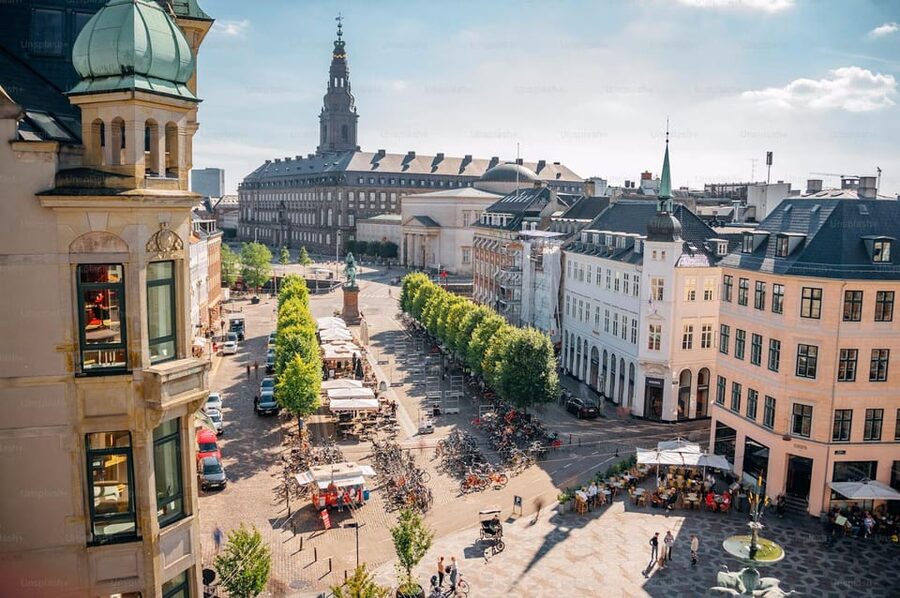
King’s New Square Pass-By: A Quick Reset Before Nyhavn
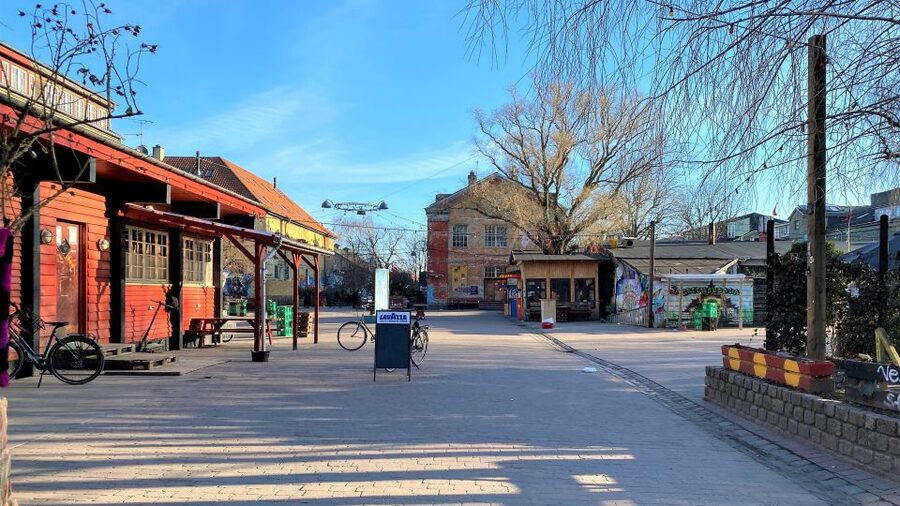
You’ll pass by King’s New Square. This isn’t a long stop, but it’s a practical transition point. It acts like a city “breather,” moving you from formal institutions to the more photographed, social, and water-adjacent side of Copenhagen.
Think of this segment as a reset. Use it to notice how the crowd flow changes as you move toward Nyhavn.
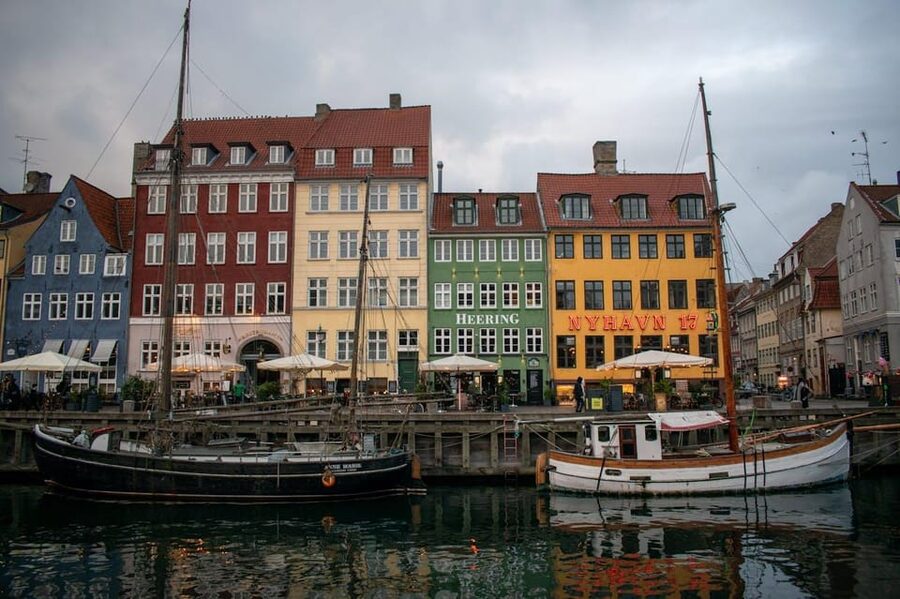
Nyhavn Walk: The Copenhagen You Came For
Then comes Nyhavn, one of the most recognizable waterfront areas in the city. This is the part where your camera will feel justified.
But a good guide changes the experience. Instead of only describing the scene, they connect Nyhavn to Denmark’s maritime and urban identity—how waterways shaped the city and how public spaces evolved over time. That’s where walking tours can do better than a self-guided stroll.
My practical advice: slow down a little during the Nyhavn segment. The streets here are lively, and it’s easy to rush through just to match the group pace. If you pause for 20 to 30 seconds, you’ll catch better details in the architecture and the water edges.
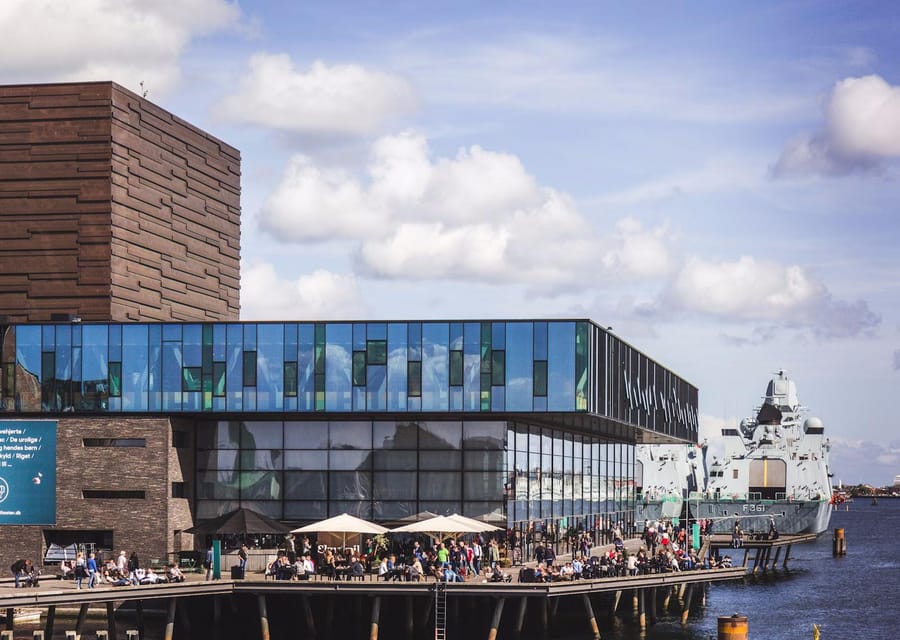
The Playhouse, Copenhagen: Arts in the Middle of the City
You’ll sightsee at The Playhouse, Copenhagen. This stop helps balance the tour so it isn’t only old power and old port life. A performing arts venue also says something about how Copenhagen invests in public culture.
You may not spend a ton of time here, but it’s a useful reminder that a city’s “personality” shows up in what it funds and builds where people already gather.
Amalienborg Palace: Royals, Architecture, and Urban Style
Next is Amalienborg Palace for sightseeing. This is a high-impact area, and it can feel like you stepped into a different version of Copenhagen—more formal, more ceremonial.
What makes it valuable on a walking tour is context. The guide can help you interpret what you see rather than letting it stay as a postcard. You’ll get the sense of why this palace zone matters to the city’s image and how it fits the layout of surrounding neighborhoods.
If you’re visiting during peak season, you’ll likely notice crowds near the palace. The group nature of the tour can help you time your viewing without turning the stop into a slow-motion bottleneck.
Gefion Fountain: A Storytelling Pause
You’ll see Gefion Fountain. It’s the kind of stop that works well in a tour arc: after the palace intensity, you shift to something more symbolic and easier to enjoy at a slower pace.
Even if you’re not a fountain person, a guide’s explanation can make it more memorable. Symbols like this help connect Danish culture to the physical spaces you’re walking through.
Kastellet, Copenhagen: Seeing a Fortified Shape in Modern City Life
Finally, the tour includes Kastellet for sightseeing. This is a big deal because it’s one of the more distinctive “fortress-like” spaces in Copenhagen, and it shows how older defensive planning still influences the modern city.
On a walking route, Kastellet is where you often start to feel the payoff. You’ve covered government, commerce, waterfront life, and palaces. Then you get to a space that tells a different part of Copenhagen’s story: structure, borders, and planned land.
If you like cities with layers, this stop helps you understand the city’s geometry, not just its landmarks.
Iver Huitfeldt Memorial Finish: Closing the Loop
The tour finishes at the Iver Huitfeldt Memorial. That ending point gives the walk a sense of purpose beyond sightseeing, tying the last stretch back to Denmark’s broader identity and remembrance.
Depending on exactly how the group moves, you may feel like the route closes naturally back toward the central area—especially since Tivoli is your start anchor as well. Either way, you’ll end with a clear mental map of how Copenhagen’s central sights connect.
Price and Value: Is $67 Fair for 3.5 Hours?
At $67 per person for about 3.5 hours, this is priced like a quality guided walking tour in a major European city. The value comes from two things that matter in real life.
First, it’s small-group capped at 14. That often means better pacing and more chances to ask questions. Second, the route combines multiple top-tier landmarks in a compact span, so you’re not spending your trip doing separate half-efforts.
It also helps that the guide is fluent in French, and the tour is designed for a French-speaking experience (not a mix-and-match multilingual format). If you’re comfortable in French, you get more from every minute.
Family math also improves the deal: kids under 13 can join free, and teenagers receive a 40% discount on regular prices. If your group includes younger kids, this can be one of the easier ways to keep costs under control without losing guided quality.
Who This Tour Suits Best
This tour is a strong match for:
- You want a walking route that covers major Copenhagen landmarks without car rides.
- You’re comfortable with French, and you want the explanations in that language.
- You like learning how a city works—how institutions and public spaces connect to everyday life.
- You’re traveling with family and want pricing that doesn’t punish kids.
It may be less ideal if:
- You need English-only guidance. Since the tour is French, you’d likely prefer another option.
- You dislike walking for 3.5 hours. It’s accessible, but it’s still a walking experience.
Should You Book This French Walking Tour?
I’d book it if you want a structured, central walk that turns Copenhagen’s landmarks into a clearer story. The small group size is a real quality marker, and the route hits the classics (Tivoli area, Nyhavn, Amalienborg) while still adding context through civic, commercial, religious, and fortification sites.
If you’re comfortable in French, it’s a very good value at $67, especially with the family discounts. If French is a deal-breaker, don’t force it—your enjoyment will drop fast.
FAQ
FAQ
What language is the guide?
The tour is conducted in French only, with a fluent French-speaking guide.
How long is the walking tour?
The duration is about 3.5 hours. Starting times vary, so check availability for the time slot that works for you.
How large is the group?
It’s restricted to a maximum of 14 participants, keeping it small-group friendly.
Where does the tour start?
The meeting point is the Copenhagen Visitor Service in the Axelborg building, directly across from Tivoli Gardens’ main entrance and adjacent to the SAS Radisson Collection Hotel. Your guide will be wearing a distinctive hat or cap.
Are children and teens discounted?
Yes. Children under 13 can join free of charge, and teenagers receive a 40% discount on the regular prices.
Is the tour wheelchair accessible?
The activity is listed as wheelchair accessible.
More Tours in Copenhagen

More Tour Reviews in Copenhagen
More Highlights & Hidden Gems

Fresh Off the Cobbles: The Newest Copenhagen Reviews











Copenhagen Hygge, Highlights & Hidden Gems, compared.
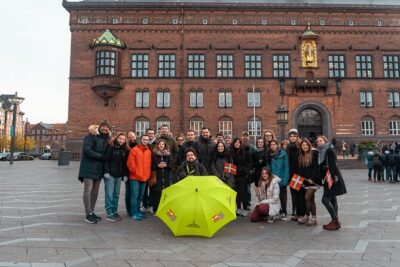 ★ 5.0Private Walking Grand Tour of CopenhagenFrom $3423,953 reviews
 ★ 5.0Copenhagen Highlights Walking TourFrom $402,324 reviews
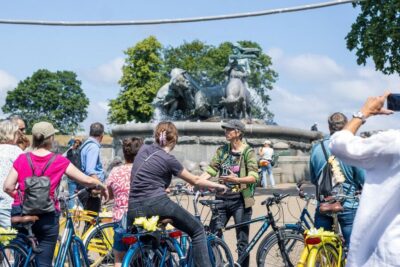 ★ 4.8Highlights 3 Hour Bike Tour with a Local GuideFrom $622,312 reviews
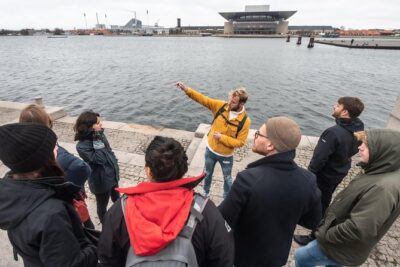 ★ 5.0Politically Incorrect Private Highlights Walking TourFrom $3741,244 reviews
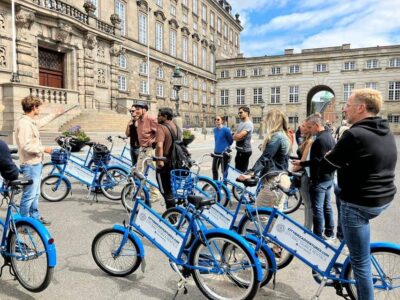 ★ 4.73-Hour City Highlights Bike Tour with GuideFrom $551,239 reviews
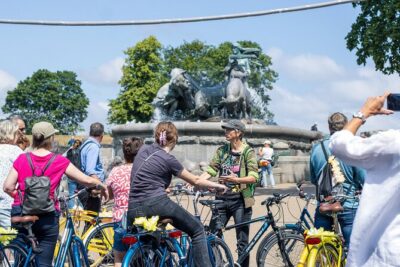 ★ 5.0Copenhagen Highlights 3 Hour Bike Tour with local GuideFrom $611,125 reviews
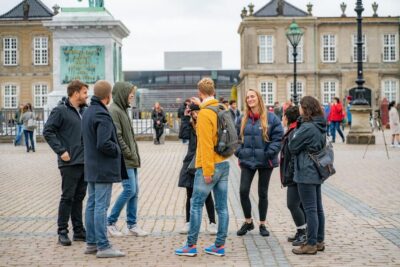 ★ 4.7Group Walking Tour – City Highlights – 2 HoursFrom $391,088 reviews
 ★ 5.03-hour Copenhagen City Highlights Bike TourFrom $54757 reviews
Browse the lists this tour appears in