
Reviewed · COPENHAGEN HYGGE, HIGHLIGHTS & HIDDEN GEMS
Copenhagen: A guided walk for first-timers in the city
Copenhagen makes sense after a good walk. This first-timers route is a smart way to learn the city’s past and present fast, with an expert guide who can answer questions and a headset so you don’t miss a word.
I also like the pacing: it stays manageable (about 3 km total) and focuses on key central sights without dragging you through long ticket lines.
The main thing to consider is expectations: this is a street-level walking tour. You’ll see a lot, but you do not go inside the sights, and some landmarks can feel like quick picture stops rather than deep visits.
In This Review
- Key things that make this Copenhagen walk worth your time
- Start at the Andersen statue, end at Amalienborg
- What you’ll love: headset, questions, and a guide who talks like a local
- A quick reality check on what you won’t do
- Copenhagen City Hall: the civic starting point
- Christiansborg Palace: royal scale, short stop energy
- Biskop Absalon and Børsen: medieval threads through the center
- Church of Holmen and Christian IV’s Brewhouse: history as everyday life
- Black Diamond and King’s New Square: modern Copenhagen shows up fast
- Royal Danish Theatre and Nyhavn: a classic Copenhagen photo arc
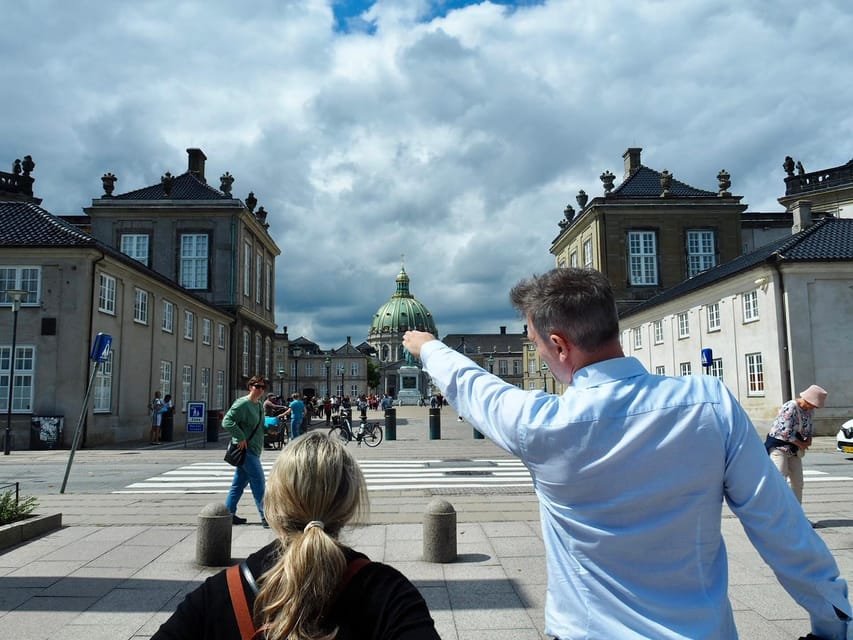
- Amalienborg: the finish line and your next directions
- Price and value: $46 for orientation that actually pays off
- How this itinerary feels on the ground (and how to get the most)
- Who should book this Copenhagen walk?
- Should you book? My straight take
- FAQ
- Where is the meeting point for the tour?
- Where does the tour finish?
- How long is the guided walk?
- How far is the walking route?
- How much does it cost?
- What group size should I expect?
- What language is the guide?
- Does the tour include entering any sights?
- Is it accessible for wheelchair users?
- Is there free cancellation or pay later?
Key things that make this Copenhagen walk worth your time
- Headset audio keeps you in the conversation even when the street noise rises
- Small group (up to 10) helps the guide keep things personal and question-friendly
- City Hall to Amalienborg gives you a clean “core loop” for first-time orientation
- A story-first guide ties places together with the why behind Copenhagen life, like bikes and medieval power
- You get a Copenhagen map afterward with suggested routes for what to do next
Start at the Andersen statue, end at Amalienborg
This guided walk is built as a first-timer loop through central Copenhagen. You start at the Statue of Andersen, then move through a sequence of major landmarks that gradually carries you toward Amalienborg, where the tour finishes. The whole route spans about 3 km (1.8 US miles) and typically takes around 2 hours.
The real value here is not just that you’ll cover distance. You’ll learn how to connect what you see: the civic core, the royal/palace area, and the waterfront zone around Nyhavn. If your first day in Copenhagen feels like a blur of streets and canals, this kind of “guided ordering” is exactly what helps.
More highlights, hidden corners and a little hygge on foot



What you’ll love: headset, questions, and a guide who talks like a local
One standout feature is the headset. Copenhagen is lively, and walking tours often turn into a half-heard monologue when groups drift. With headset audio, the guide stays readable in real life, even when you’re crossing busier stretches near the center.
The second big plus is how interactive the format feels. The guide is described as expert in both Copenhagen history and the modern city, and you can ask questions along the way. In the feedback, names like Jens and Thomas show up in praise, with guests pointing out that the storytelling sticks in memory.
You’re not just collecting facts. You’re getting explanations—like why bicycles are everywhere and how Copenhagen gained dominance across Scandinavia during the Middle Ages. Those are the kinds of “why” answers that make future sightseeing easier, because you start noticing patterns instead of just landmarks.
A quick reality check on what you won’t do
This tour does not include entering any sights. That matters for two reasons.
First, it keeps the tour efficient—you’ll move through the city without waiting at ticket gates. Second, it means you should plan to do deeper, ticketed visits later if something really grabs you. If you’re hoping for a museum-style experience during this 2-hour walk, you may feel slightly shortchanged.
Also, this route isn’t for everyone: it’s not suitable for wheelchair users and it’s not designed for very low fitness. Even though 3 km sounds simple, it’s still a continuous walking experience through city streets.
Copenhagen City Hall: the civic starting point
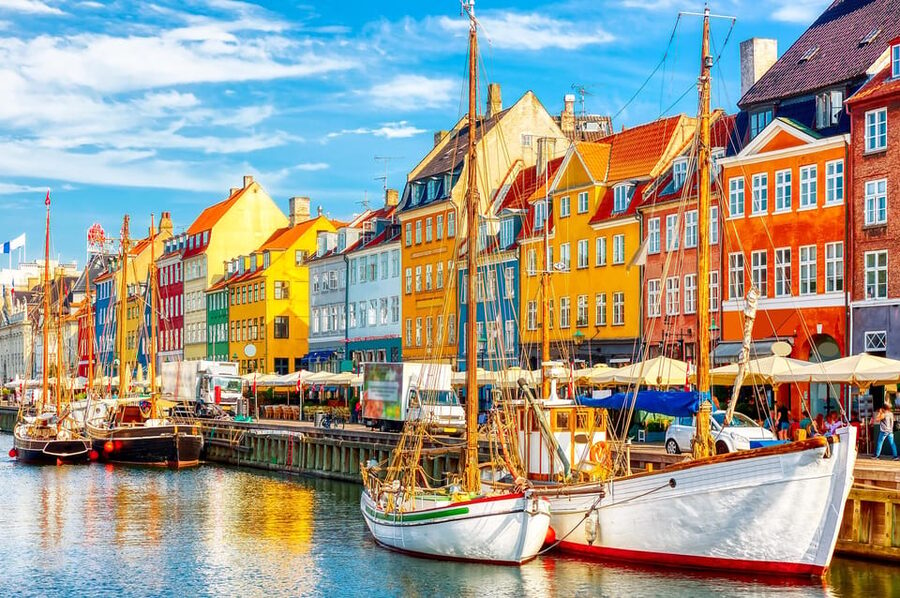
After meeting at the Andersen statue, the tour quickly heads into Copenhagen City Hall for a short stop (around 5 minutes). This is where the guide helps you set the baseline: where you are in the city and how to read the center like a local.
A short civic stop can be a great choice for first-timers. You don’t lose the morning to a slow ramp-up, and you get context before the route turns more royal and historic. The tradeoff is time: you’ll see and hear enough to orient yourself, but you won’t linger.
Christiansborg Palace: royal scale, short stop energy
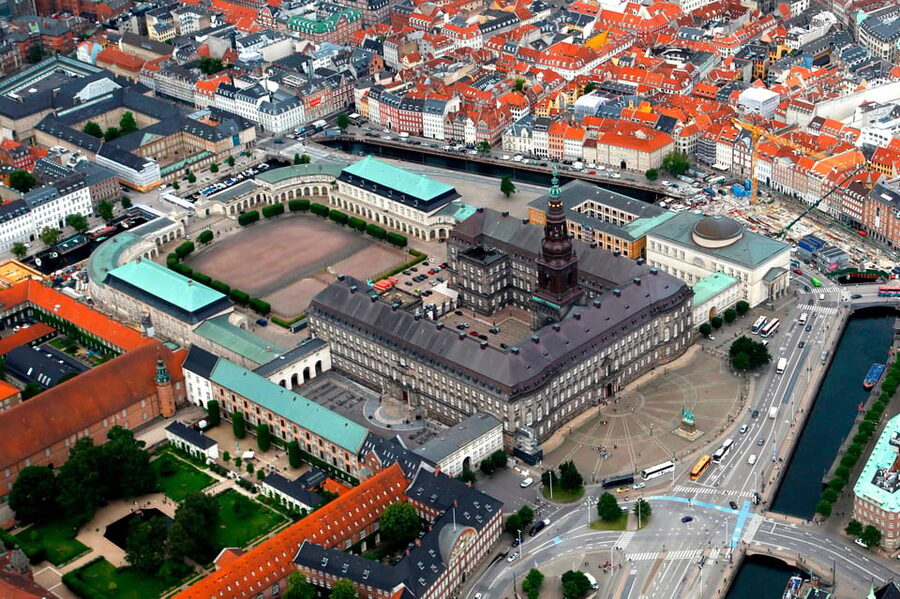
Next comes Christiansborg Palace, with a walk segment followed by sightseeing time (about 10 minutes). This area gives you a sense of how royal power and government overlap in the city’s identity. It’s also a visual contrast point—one more reason this walk works as a “map in your head,” not just a list of stops.
Again, expect exterior viewing time, not interior exploration. If you want architecture details up close or want to see the inside of a palace, you’ll be better off saving that for a separate visit.
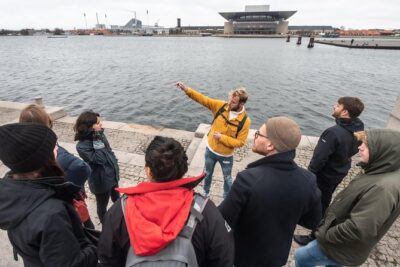
Let a Copenhagen local lead the way





Biskop Absalon and Børsen: medieval threads through the center
The walk then continues with several quick landmark peeks—each one brief (often 2 to 5 minutes). Stops include Biskop Absalon and Børsen, plus nearby historic-feeling sights.
This is where the guide’s storytelling becomes especially useful. The tour is designed to tie what you see to broader themes. In the descriptions, you’re told why Copenhagen could dominate Scandinavia in the Middle Ages, and you learn the long connections between the city’s strategic importance and how it grew.
When stops are short, you don’t want to zone out. Put on your listening hat here. If you catch even one key idea—like the city’s medieval role—you’ll start spotting connections across several buildings instead of treating each stop as separate trivia.
Church of Holmen and Christian IV’s Brewhouse: history as everyday life
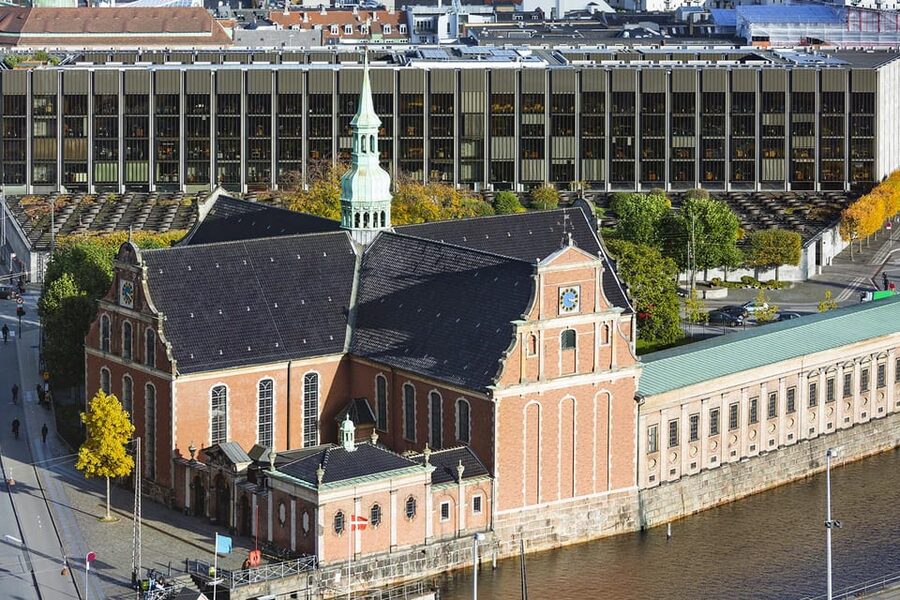
Two more stops—Church of Holmen and Christian IV’s Brewhouse—keep the pace tight (each around 5 minutes). These are the kinds of landmarks that work well on a walking orientation tour because they hint at older daily rhythms: faith, industry, and community life.
The upside of short stops is momentum. You don’t get tired of the tour early, and you don’t spend too long in one spot before the guide moves you onward. The downside is the same: if you want photos from perfect angles or want to study architectural details, you may wish there was a bit more time here.
Black Diamond and King’s New Square: modern Copenhagen shows up fast
After that, the route brings you to the Black Diamond area and then to King’s New Square, with brief sightseeing and walk time. This sequence is helpful for first-timers because it keeps the tour from becoming a purely old-world loop.
You’ll feel the shift from older-looking landmarks to a more modern Copenhagen vibe, and you’ll get a sense of how the city’s identity blends eras. That’s also where the headset helps a lot: square areas and street corners can be noisy, and you’ll want to hear the guide’s point without craning your neck or losing their thread.
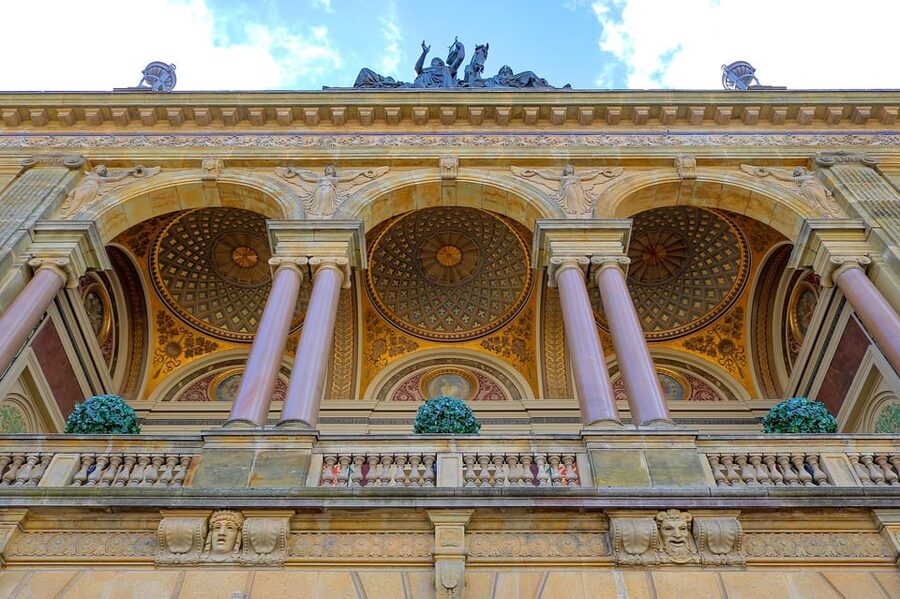
Royal Danish Theatre and Nyhavn: a classic Copenhagen photo arc
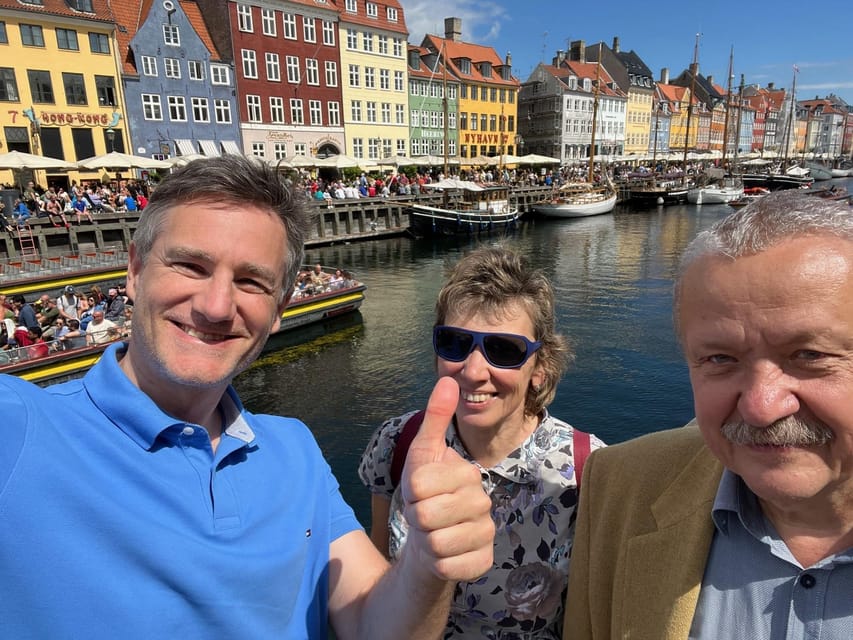
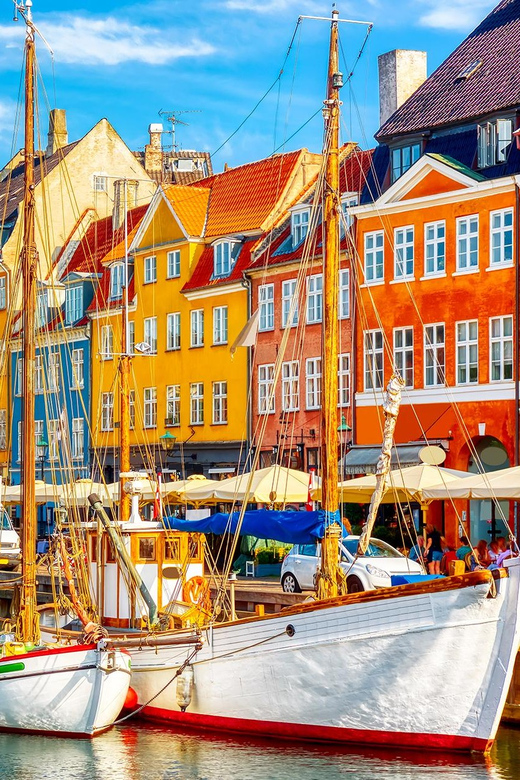
Next is the Royal Danish Theatre (about 5 minutes), followed by Nyhavn with a longer walk time (about 10 minutes). Nyhavn is typically the emotional payoff zone on this kind of route: water nearby, energy in the streets, and that unmistakable Copenhagen postcard feeling.
From a value standpoint, the longer Nyhavn stretch is smart. It gives you breathing room to slow down, take photos, and just absorb the scene. And it positions you well for your next step after the tour, because Nyhavn is an easy jumping-off point for a canal tour and a drink, if that’s your plan.
If you’re the type who loves watching how people use a place, Nyhavn is a good moment to do that. You can observe without needing extra tickets or a formal museum visit.
Amalienborg: the finish line and your next directions
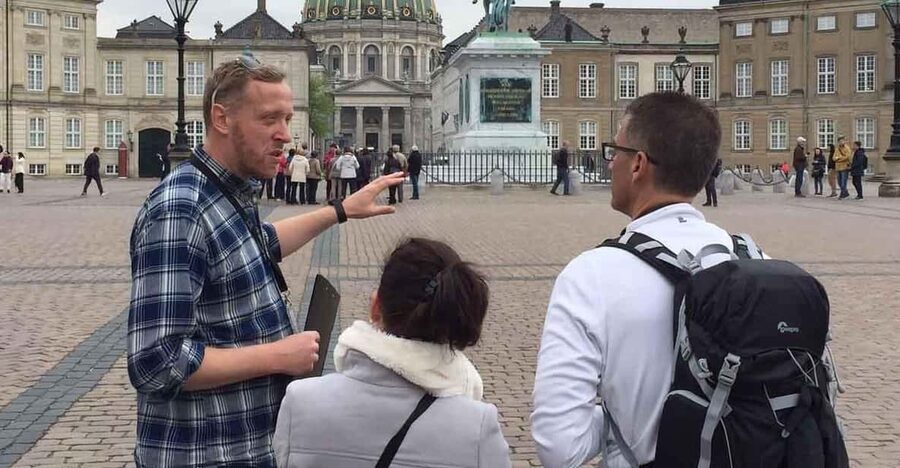
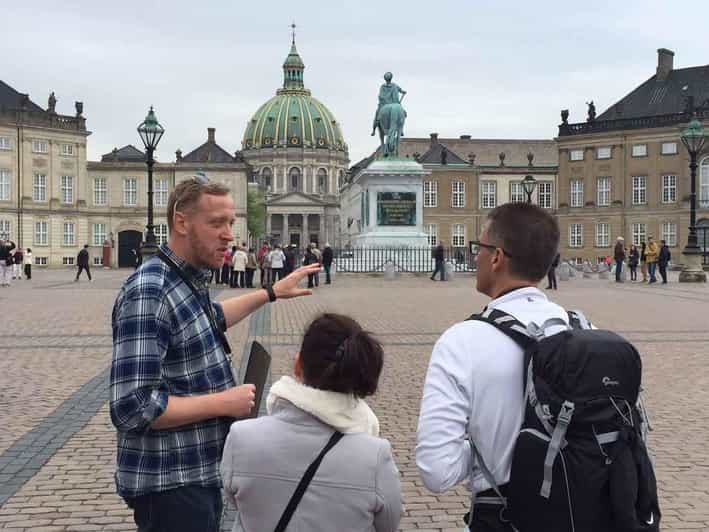
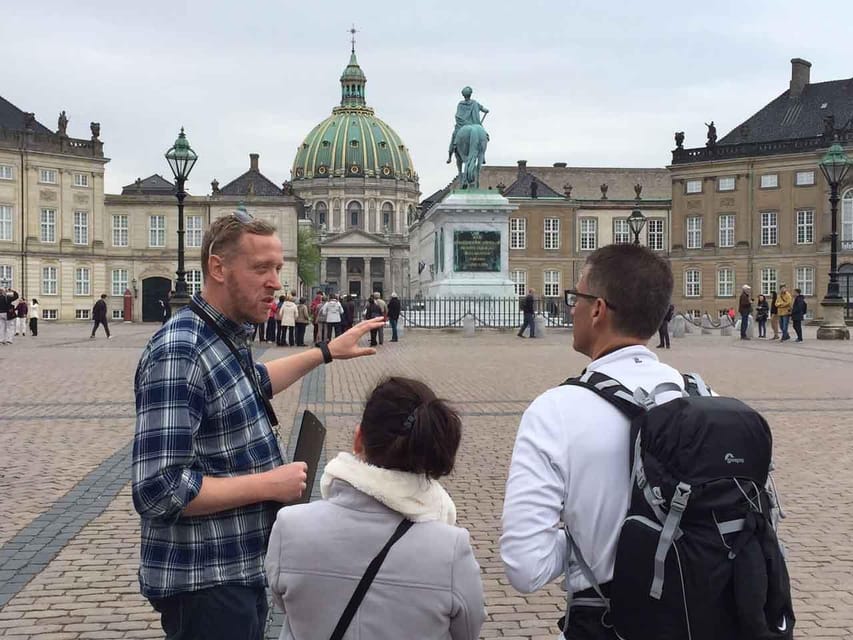
The final stretch is Amalienborg. You get a walk segment leading there (about 15 minutes), and this is where the tour ends.
What I like about ending here is that it gives you a clear “anchor” to plan your remaining day. You don’t finish in a random alley; you finish in a major area that works well for onward exploring—whether that’s returning to your hotel or continuing to explore more of central Copenhagen under your own steam.
After the walk, the guide provides a map of Copenhagen and suggests routes to follow if you want to go deeper. That’s a practical touch, because it turns the 2-hour experience into a starting point, not just something you did and then forgot.
Price and value: $46 for orientation that actually pays off
At about $46 per person for a 2-hour walk, this sits in the mid-range for guided city experiences. The key question is: what are you buying?
You’re buying efficient orientation plus interpretation. You’re not buying entry tickets, and you’re not buying a long museum visit. Instead, you’re paying for a guide who connects dots—especially themes like bicycles, medieval power, and Copenhagen’s blend of past and present.
If it’s your first trip, that can be excellent value. The guide helps you avoid common first-timer mistakes, like spending hours hopping between places without understanding what you’re looking at. With a headset, small group, and a map afterward, you also get practical “what next” direction, which helps you make the most of the rest of your time in the city.
How this itinerary feels on the ground (and how to get the most)
The route is built around a steady rhythm: quick sightseeing stops and short walking links. Many of the landmark segments are around 2 to 5 minutes, with longer time at City Hall early and Nyhavn near the end. That means you’ll cover a lot, but you’ll also need to stay mentally switched on during the brief moments.
A few practical ways to improve the experience:
- Wear comfortable walking shoes. This is short on paper but still a city walk.
- Keep your phone ready for photos, but don’t let it steal your listening time during the short stops.
- If a story clicks—like the bicycle explanation—ask one follow-up question. The tour is designed for questions.
- Plan your day so you’re not rushing right after. The guide’s map and suggested routes work best when you still have momentum.
One more tip: because the tour doesn’t enter sights, you’ll get the most out of it if you treat it as the front door. Use it to pick what you want to see more deeply later.
Who should book this Copenhagen walk?
This is a great fit if:
- it’s your first time in Copenhagen and you want orientation fast
- you like learning the why behind what you see, not just names and dates
- you want a small-group feel with a live English-speaking guide
- you appreciate practical next-step help with a map and suggested routes
It may not be your best choice if:
- you’re expecting inside access to attractions
- you want a slow, detailed look at one building at a time
- you have limited mobility or low fitness needs, since it’s not suitable for wheelchair users
Should you book? My straight take
Book it if you want clarity on day one. This walk is designed to turn central Copenhagen into something you can navigate and interpret. The headset, the small group size, and the guide’s ability to answer questions make it feel smoother and more personal than big “see-everything” tours.
Skip it or pair it with other plans if you specifically want ticketed interiors during the 2 hours. Think of this as your orientation and story session, not a museum day.
If you’re spending multiple days in Copenhagen, this is a smart way to get bearings early, then branch out—canal tour, Nyhavn time, and a more detailed look at whatever caught your attention.
FAQ
Where is the meeting point for the tour?
The tour meets at the Statue of Andersen.
Where does the tour finish?
The walk finishes at Amalienborg.
How long is the guided walk?
It lasts 2 hours.
How far is the walking route?
The walk spans about 3 kilometers (1.8 US miles).
How much does it cost?
The price is $46 per person.
What group size should I expect?
The tour is limited to small groups, with a maximum of 10 participants.
What language is the guide?
The live tour guide speaks English.
Does the tour include entering any sights?
No. You do not enter any of the sights during this walk.
Is it accessible for wheelchair users?
It is not suitable for wheelchair users, and it’s also not designed for people with low level of fitness.
Is there free cancellation or pay later?
Yes. You can cancel up to 24 hours in advance for a full refund, and you can reserve now and pay later.
More Guided Copenhagen Tours
More Tour Reviews in Copenhagen


More Highlights & Hidden Gems

Fresh Off the Cobbles: The Newest Copenhagen Reviews

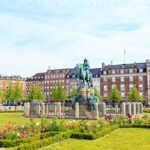









Copenhagen Hygge, Highlights & Hidden Gems, compared.
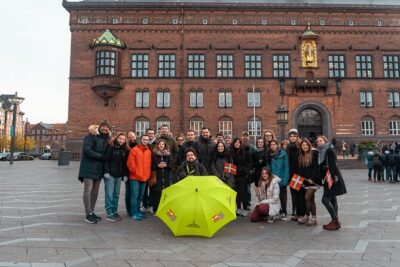 ★ 5.0Private Walking Grand Tour of CopenhagenFrom $3423,953 reviews
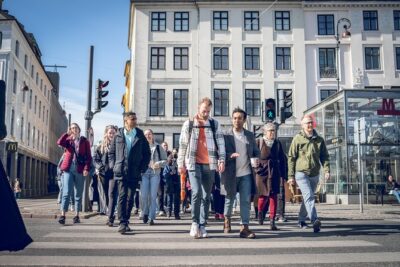 ★ 5.0Copenhagen Highlights Walking TourFrom $402,324 reviews
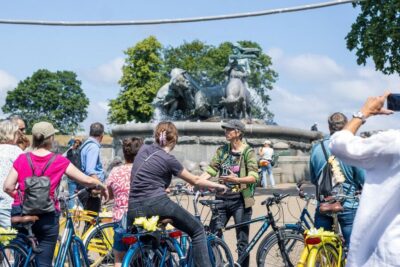 ★ 4.8Highlights 3 Hour Bike Tour with a Local GuideFrom $622,312 reviews
 ★ 5.0Politically Incorrect Private Highlights Walking TourFrom $3741,244 reviews
 ★ 4.73-Hour City Highlights Bike Tour with GuideFrom $551,239 reviews
 ★ 5.0Copenhagen Highlights 3 Hour Bike Tour with local GuideFrom $611,125 reviews
 ★ 4.7Group Walking Tour – City Highlights – 2 HoursFrom $391,088 reviews
 ★ 5.03-hour Copenhagen City Highlights Bike TourFrom $54757 reviews
Browse the lists this tour appears in