

Reviewed · COPENHAGEN BIKE & E-BIKE TOURS
Urban Design and Livability E-bike Tour
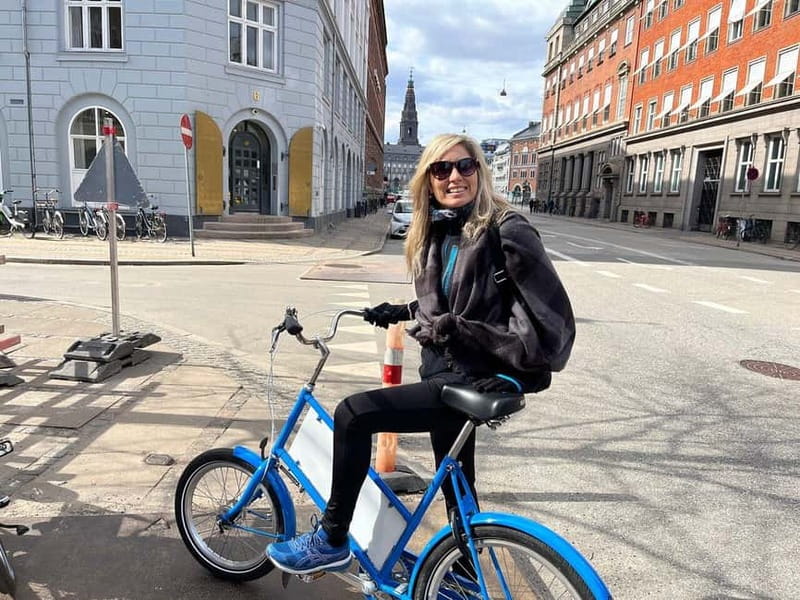
Copenhagen’s planning feels personal on an e-bike. I really love the easy-to-ride e-bikes and the way guides (like Aitik) turn street-level details into clear stories about livability and sustainable city life. You also get a smart start right by Nyhavn, which makes the whole experience feel like you’re joining real Copenhagen, not doing a checklist.
The big idea here is “the Copenhagen way”: walking and cycling are normal, and urban spaces are built to support everyday movement. That said, you should consider that the pace and bike handling can matter—one guide (Alex) drove a bit fast, and the group needed help when a technical issue slowed things down.
In This Review
- Key Things I’d Watch For
- Why Copenhagen’s Livability Story Works Best by Bike
- Starting by Nyhavn at Holbergsgade and Peder Skrams Gade
- 3 Hours of Copenhagen’s Old and New: How the Route Feels
- The Urban Design Lesson You’ll Actually Remember
- Easy E-Bikes, Real Skills: What to Expect on the Bike
- Hidden Gems vs. Planned Stops: How This Tour Balances Both
- Architecture and Culture Notes: The Role of Hygge on a Bike Tour
- Price and Value: Getting $84 Worth of City Planning
- Who This Tour Suits Best (and Who Should Skip It)
- Tips to Get the Most Out of the Ride
- Should You Book This Urban Design and Livability E-Bike Tour?
- FAQ
- How long is the e-bike tour?
- What’s the meeting point?
- How big is the group?
- What’s included in the price?
- Is food or entry to venues included?
- What languages are offered?
Key Things I’d Watch For
- Small group size (max 10): more chances to ask questions and get practical answers
- Easy-to-ride e-bikes: you’ll cover more city with less effort, especially on the longer stretches
- Urban design focus: planning, architecture, and livability are the point, not just sightseeing
- Old-meets-new Copenhagen routes: you’ll see how historic and modern areas shape daily life
- Meeting at Nyhavn: central, recognizable, and well-suited for a smooth start
Why Copenhagen’s Livability Story Works Best by Bike
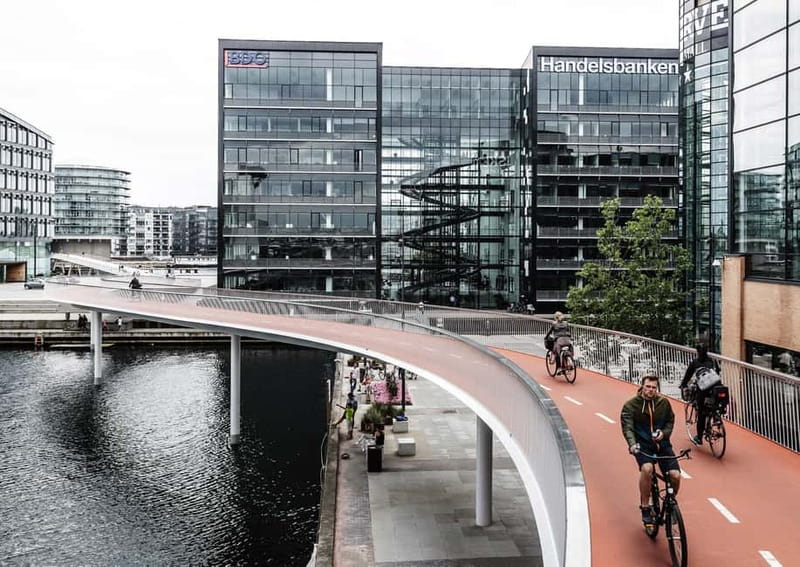
Copenhagen’s reputation as one of the most livable cities isn’t just marketing. The city’s layout nudges people onto bikes and into walking routes, and you feel that right away when you move through neighborhoods at street level.
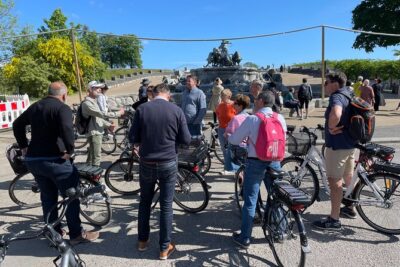
On this 3-hour Urban Design and Livability e-bike tour, the design choices are the main character. You’re not stuck staring at buildings from the same angle all tour. Instead, you ride through different parts of town—old and new—and connect what you see with why it was built that way. The tour is also structured to feel social and conversational, since guests are encouraged to ask questions and guides are ready to answer.
And because you’re on an e-bike, the “how” of Copenhagen makes more sense. You can keep an easy, steady rhythm over longer stretches, so you’re paying attention to the streets and public spaces instead of fighting hills or traffic.
More of the city the way locals take it, on two wheels


Starting by Nyhavn at Holbergsgade and Peder Skrams Gade
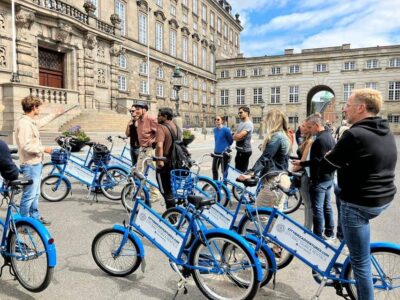
You meet at a shop located on the corner of Holbergsgade and Peder Skrams Gade, and you check in inside. The location is close to Nyhavn, so it’s convenient and easy to orient yourself—especially if you’re already spending time along the harbor.
Arrive early enough to be settled. The instructions say to show up no later than 10 minutes before the start, which is a good habit anyway. E-bikes mean there’s usually a quick fit-and-familiarization moment, and you’ll enjoy the tour more if you’re not rushing at the last second.
Why this matters: starting in the city core helps the guide pull you into the bigger story fast. You don’t spend the first stretch waiting to feel “copenhagen-style” energy. You’re already in it.
3 Hours of Copenhagen’s Old and New: How the Route Feels
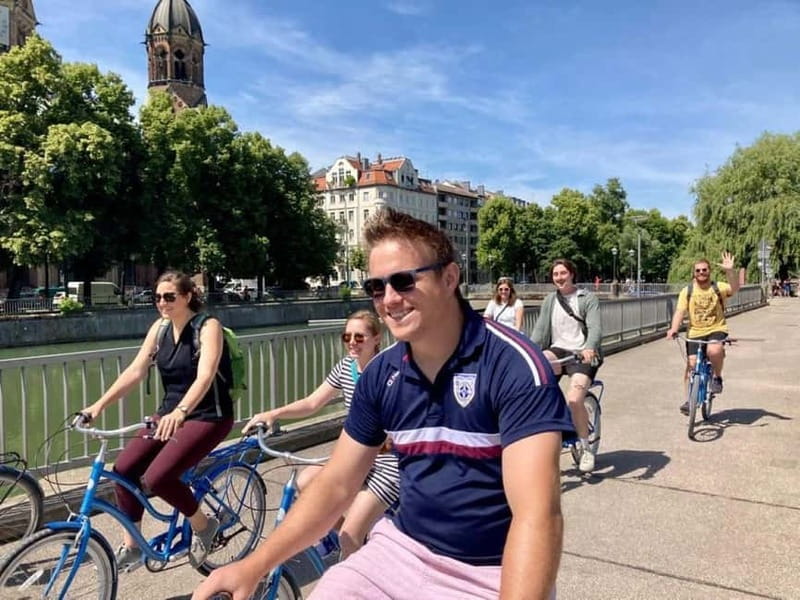
This tour is described as off-the-beaten-path in the sense that it goes beyond the most obvious central sights. You’ll explore areas outside the city centre, mixing historic landmarks and modern developments with the theme of how urban planning affects day-to-day happiness.
Here’s what that means in practice for your experience:
- You’ll ride through parts of town where the street design and movement patterns feel different from the core. That contrast helps the guide explain why Copenhagen’s approach works.
- You’ll get perspective on architecture and city planning as lived experience, not theory. Streets, crossings, and bike routes aren’t background; they shape how people meet, move, and spend time outdoors.
- You’ll also hear recurring ideas tied to the city’s culture of hygge—the concept of comfort and well-being in everyday spaces. On a bike, it’s easier to connect that idea to what you’re actually passing: calmer streets, human-scale planning, and the feeling that public space is meant for people.
One note from a real-world pacing concern: if you’re hoping for lots of slow photo stops, know that the bike speed and break rhythm can vary by guide. One guide was noted for driving a bit fast and taking fewer breaks for photos or simply enjoying the view. That doesn’t ruin the tour, but it’s a consideration if you want a very relaxed pace.
The Urban Design Lesson You’ll Actually Remember
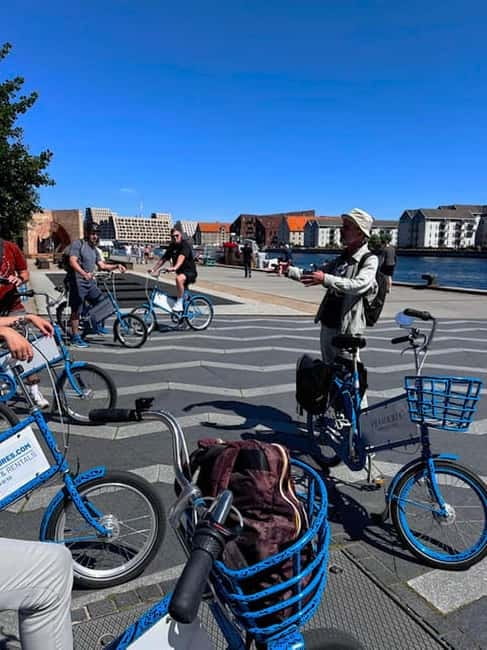
Most city tours point out buildings. This one is about how buildings and streets work together. The focus is livability, architecture, and urban planning, with the bigger takeaway being that Copenhagen is practically made for cyclists and pedestrians.
As you ride, the guide’s job is to connect the dots:
- Why certain areas feel easier to move through
- How design choices affect comfort and social contact
- How public space supports active routines
- How the city’s cycling culture changes the way people interact on the street
That’s why I like the structure. You get a moving viewpoint and a conversation loop. You see something on the road, then you get the reasoning behind it. If you like architecture, you’ll still get it—but you’ll get the “why” too.
And since the tour encourages questions, it’s a lot easier to ask follow-ups like: How do you think about bike routes near busy streets? What makes an urban space feel safe and comfortable? Those questions turn a “sightseeing ride” into a real learning experience.
Easy E-Bikes, Real Skills: What to Expect on the Bike
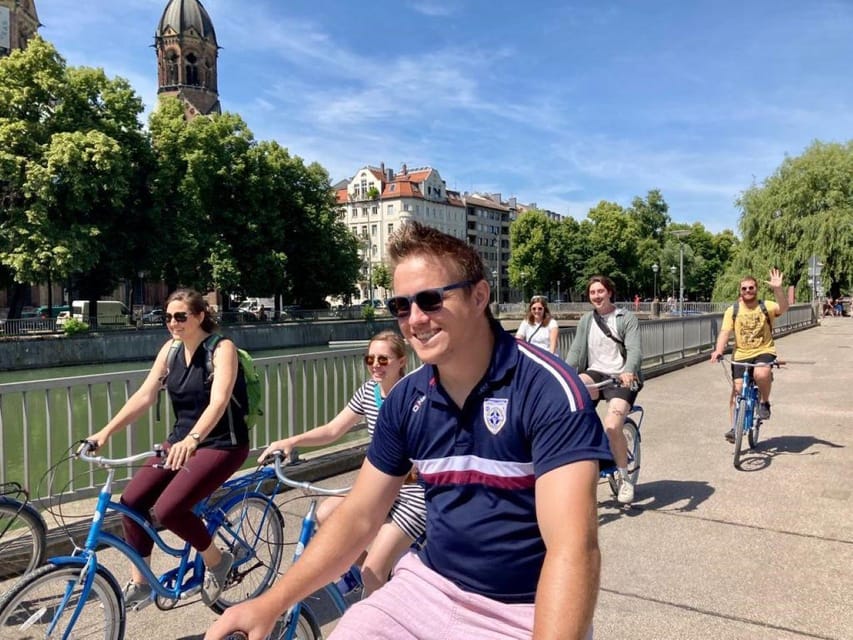
The tour includes easy-to-ride e-bikes, plus optional helmets and rain ponchos if the weather turns. That setup is practical. It reduces friction—literally—so the ride stays comfortable.
But the skill requirement is worth mentioning because it affects your enjoyment. One bike-related caution came up: the tour was described as mostly easy to ride, but the rider base still needs to be comfortable handling the bike. That’s especially true if you’re not used to cycling in traffic-like urban conditions, even with an e-bike doing part of the work.
So my advice:
- If you’re confident riding a bicycle and balancing smoothly, you’ll likely feel at ease.
- If you’re a beginner, take comfort in the e-bike assistance—but still be prepared to concentrate, especially at turns and in busier street segments.
Also, one technical issue was mentioned during the ride. When more than half the group got lost due to a technical problem, it was only noticed late. Everything was resolved, but it’s a reminder that your best strategy is to stay aware and keep your attention on the guide and group flow, especially if you spot an issue or confusion.





Hidden Gems vs. Planned Stops: How This Tour Balances Both
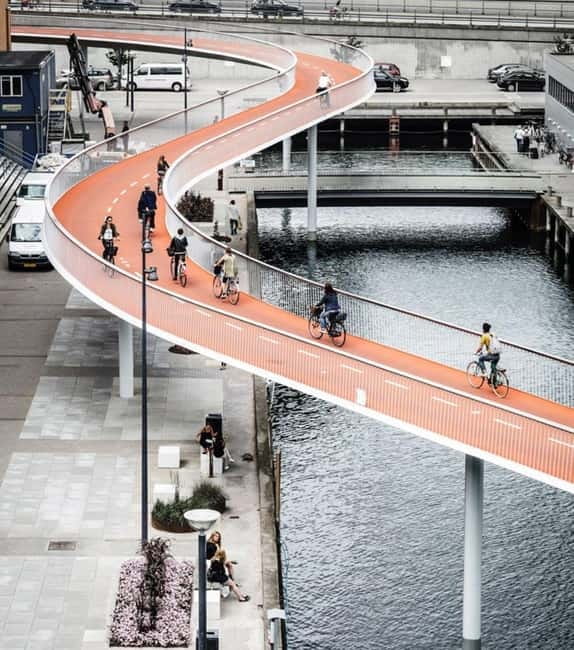
The “hidden gems” promise here is less about secret locations and more about getting you into places you might not find on your own. The tour is designed to be off-the-beaten-path while still being structured and safe enough for a small group.
In a tour like this, the best spots tend to be the ones that look ordinary at first glance—until the guide explains the city logic behind them. That might be a street layout, a public space that makes walking and cycling feel natural, or a part of town where old and new sit next to each other with clear planning differences.
What you’ll feel is a shift from “tourist mode” to “local mode.” Since the ride is only 3 hours, there’s not time for a long list of distant sights. Instead, you get to focus on fewer areas and understand them better. For many people, that’s the value: you’ll leave with a mental map of how Copenhagen’s design supports everyday life.
Architecture and Culture Notes: The Role of Hygge on a Bike Tour
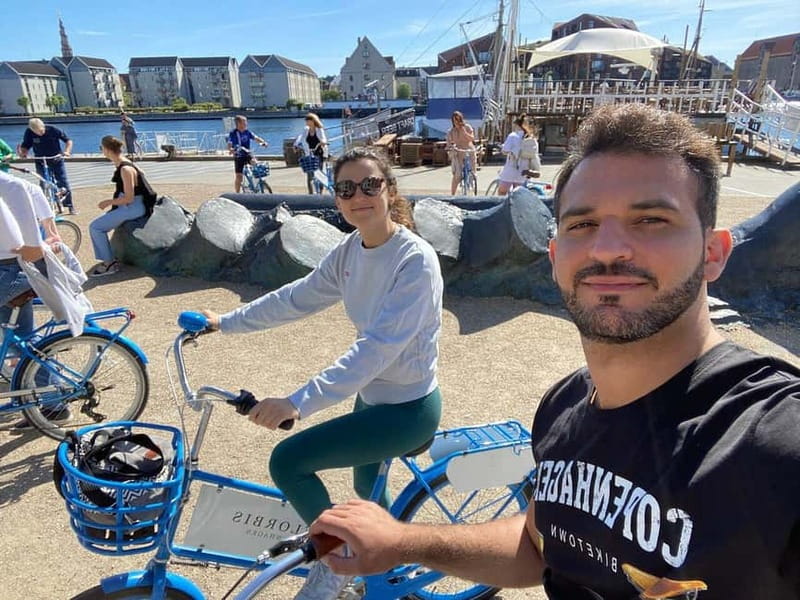
The guide’s themes include architecture, design, urban planning, and hygge. That might sound like a soft concept, but it connects well to real urban design.
Think about hygge as comfort and well-being in everyday surroundings. On this tour, it shows up as the way public spaces are meant to be used:
- The city supports movement on bikes and on foot
- Urban spaces encourage activity and social contact
- The environment makes it easier for people to be outside, not just pass through
When these ideas are put into words during a ride, they stop being abstract. You start noticing details—how the street feels, how people share space, and how public routes influence the mood of an area.
If you like cultural context tied to the physical city, this is a strong fit.
Price and Value: Getting $84 Worth of City Planning
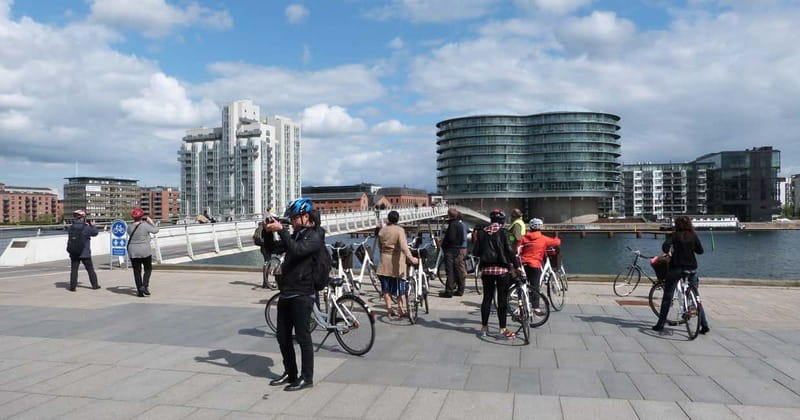
At $84 per person for a 3-hour small-group e-bike tour, you’re paying for three things at once:
- The e-bike and safety essentials (bike support, optional helmet, rain ponchos)
- A live English expert guide who can explain what you’re seeing
- A planned route that saves you time compared with figuring out Copenhagen’s design story yourself
Food isn’t included, and there aren’t listed entry tickets for venues. That’s fine. It keeps the tour focused on streets and neighborhoods rather than adding museum stops that would balloon cost and time.
To make the most of the value, plan for your own “you-time” afterward. Bring a snack if you want one, and decide in advance whether you want to keep exploring around Nyhavn after the tour ends back at the meeting point.
For travelers who like practical city knowledge—how and why a place works—this price feels reasonable. For travelers who only want big famous sights, it may feel more specialized. The trade-off is clarity: you’ll get a better explanation of Copenhagen’s design philosophy than a standard highlights ride.
Who This Tour Suits Best (and Who Should Skip It)
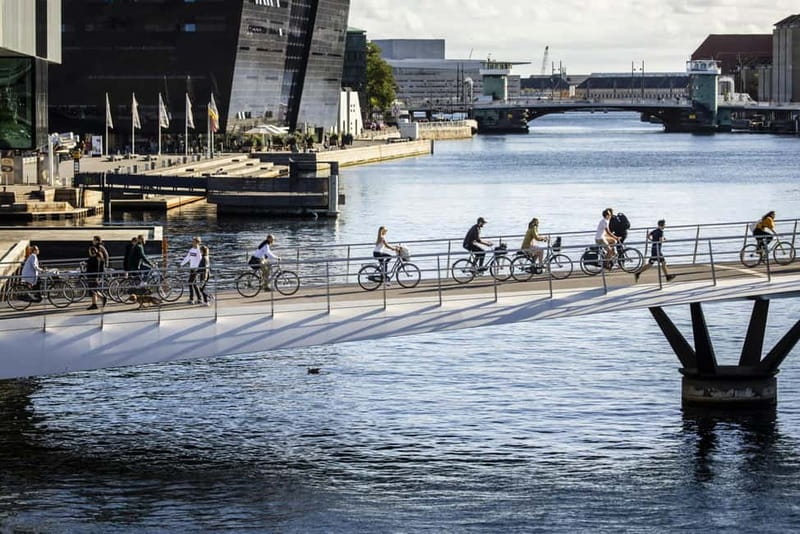
This tour is a good match if you:
- Enjoy city planning, architecture, and how neighborhoods feel
- Want a mix of old and new Copenhagen without spending all day on transit
- Prefer active sightseeing at an easy pace with a knowledgeable guide
- Like small groups (max 10) where questions aren’t a hassle
It’s not a fit if you:
- Are looking for a relaxed, slow “photo-only” ride (breaks and pace can vary)
- Need a very beginner-friendly bike experience—staying comfortable on the bike matters
- Don’t meet the age guidance: it isn’t suitable for children under 10, babies under 1 year, or people over 70 (based on the tour rules)
If you’re traveling with grandparents, very young kids, or anyone who may struggle with bike control, this might not be the right format. You’d likely want a different kind of walking or transit-based tour.
Tips to Get the Most Out of the Ride
A few practical moves will help you enjoy the tour more, especially since you’re covering real city streets.
- Wear comfortable clothes and shoes. You’re cycling, so skip anything stiff or slippery.
- Be ready to ask questions. The tour is set up for that, and it’s often where the best explanations come from.
- If you care about photos, speak up early. Guides can adjust breaks, but they may not automatically slow down if the group is moving smoothly.
- Stay alert if something feels off. One bike or technical issue can throw off the rhythm—so keep an eye on the group flow.
And yes, bring a little patience. Copenhagen’s system is organized, but you’re still outdoors and shared with other riders. That’s part of the ride.
Should You Book This Urban Design and Livability E-Bike Tour?
If your travel style is “understand the city, don’t just see it,” book it. This tour is designed to help you grasp Copenhagen’s cycling-first livability—through urban design, architecture, and real-world cultural themes like hygge. The small-group size and live English guide make it easy to get your questions answered.
I’d only hesitate if you want a super slow ride with lots of stops, or if anyone in your party isn’t comfortable handling an e-bike. Otherwise, it’s a smart way to spend 3 hours and leave with a clearer picture of why Copenhagen feels the way it does—on the ground, not in a brochure.
FAQ
How long is the e-bike tour?
The tour lasts 3 hours.
What’s the meeting point?
You meet at the shop inside on the corner of Holbergsgade and Peder Skrams Gade, close to Nyhavn. Check in inside the store.
How big is the group?
The group is small, limited to a maximum of 10 participants.
What’s included in the price?
An easy-to-ride e-bike, an expert live tour guide, optional helmets, and rain ponchos (in case of rain) are included.
Is food or entry to venues included?
No. Food and drinks aren’t included, and there are no entry tickets included for any venues seen during the tour.
What languages are offered?
The live tour guide speaks English.
More Tours in Copenhagen

More Tour Reviews in Copenhagen
Copenhagen by Bike, A Few More Ways

Fresh Off the Cobbles: The Newest Copenhagen Reviews











Copenhagen Bike & E-Bike Tours, compared.
 ★ 4.8Highlights 3 Hour Bike Tour with a Local GuideFrom $622,312 reviews
 ★ 4.73-Hour City Highlights Bike Tour with GuideFrom $551,239 reviews
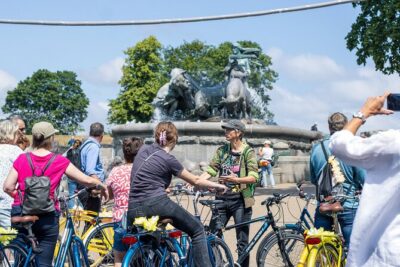 ★ 5.0Copenhagen Highlights 3 Hour Bike Tour with local GuideFrom $611,125 reviews
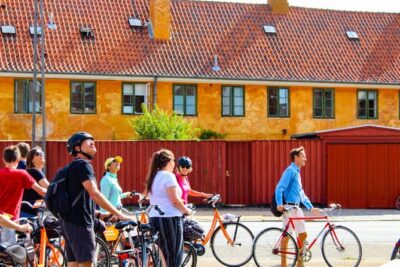 ★ 5.03-hour Copenhagen City Highlights Bike TourFrom $54757 reviews
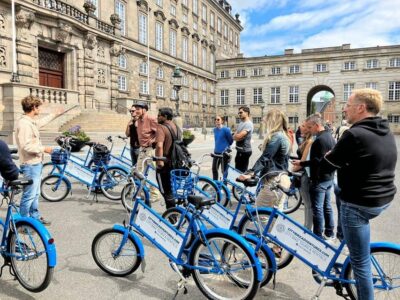 ★ 4.61.5-Hour City Highlights Bike TourFrom $38477 reviews
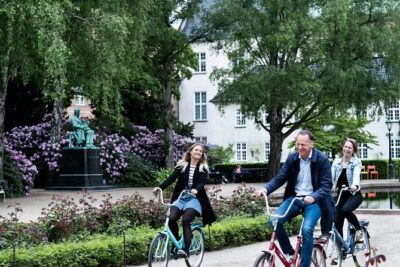 ★ 5.0Bike Tour Copenhagen. Private Guide, Concierge Service, Small GrpFrom $52416 reviews
 ★ 4.73-Hour Culinary Bike TourFrom $110301 reviews
 ★ 5.02 Hours Copenhagen E-Bike Guided ToursFrom $89276 reviews
Browse the lists this tour appears in