Reviewed · COPENHAGEN FOOD TOURS & SMøRREBRøD
Brew and Brunch Mastering the Perfect Espresso with Breakfast
Perfect espresso starts with one calm checklist.
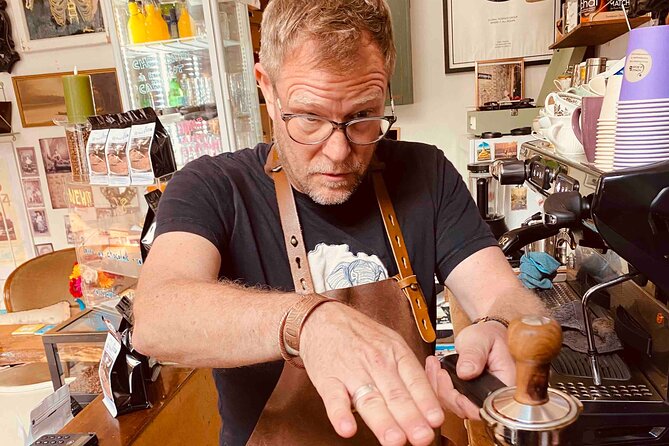
In Copenhagen, this small class led by cafe owner Mark turns espresso into something you can actually repeat, using a simple workflow you can follow on a home machine or a commercial one. What makes it special is the setting: it happens in his very local neighborhood café, during opening hours, so you’ll feel like part of the routine rather than a sightseeing group.
I especially like two things: you make your own espresso at the end (not just watch), and you get Mark’s specialty-coffee background, including his SCA-certified barista/roaster experience. One consideration: the 11:30 a.m. session runs while the café is open, so you’ll share the space with regulars—great for authenticity, but not ideal if you want a silent, studio-style class.
In This Review
- Key highlights to know before you go
- Holmbladsgade meet-up and the neighborhood-café vibe
- Mark’s SCA-certified approach: how the lesson stays friendly and useful
- The espresso workflow you can carry to your home machine
- Breakfast matters here: egg, croissant, orange juice, and coffee of your choice
- Pulling your own shot: the hands-on finale that sticks
- Price and value: what you’re really paying for at $38.99
- Who this class is best for (and who should skip it)
- Should you book Brew and Brunch? My call
- FAQ
- What’s included in the breakfast?
- How long is the class?
- How many people are in the group?
- Where do we meet, and does it end nearby?
- Will I make my own espresso?
- What languages are offered for the guide?
Key highlights to know before you go
- A local café setting during opening hours, so you interact with the real rhythm of the neighborhood.
- SCA-certified host Mark guides a casual, question-friendly lesson focused on specialty espresso.
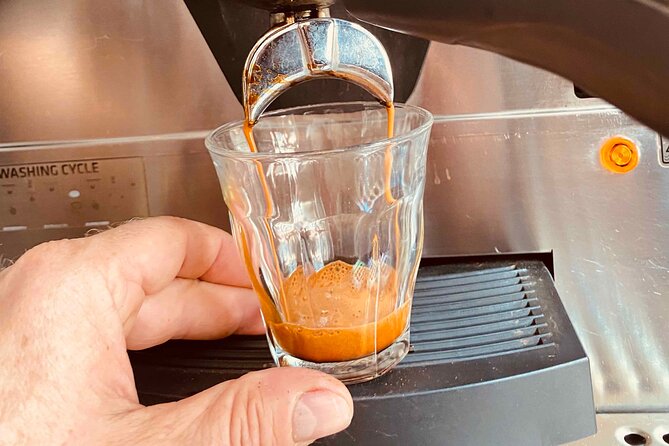
- Hands-on espresso for every participant, capped by you pulling your own shot.
- Breakfast is part of the lesson, with fresh orange juice, egg, croissant, and a coffee of your choice.
- Small group size (max 10) keeps things personal and discussion-heavy.
Holmbladsgade meet-up and the neighborhood-café vibe
The whole experience starts at Holmbladsgade 14, 2300 København. Plan to arrive a few minutes early so you can settle in before the lesson flows. You’ll also get a mobile ticket, which keeps things quick and paper-free.
This is not a big, staged “tour” setup. The class happens in Mark’s real neighborhood café, the kind of place locals return to. That means the atmosphere is casual and lived-in. You may hear Danish conversations at the next table, you may notice regulars walking in and placing orders, and you’ll likely get pulled into the friendly energy of a place that runs every day.
Group size stays tight—up to 10 people—which matters here. Espresso training benefits from back-and-forth: you do something, you see what happens, you ask what to adjust, and you do it again with better clarity. With a small group, you’re not swallowed by the crowd.
Timing is also part of the deal. The class you’re likely to attend is at 11:30 a.m., during café opening hours. That’s why you should expect some genuine café activity while you learn. If you love seeing how locals actually operate, it’s a win. If you prefer quiet and compartmentalized experiences, you may find the buzz distracting.
One more practical note: it’s near public transportation, so you won’t need a taxi detour to make it work. And if you’re traveling with a service animal, the experience allows them.
Still hungry? More smorrebrod and Copenhagen tables



Mark’s SCA-certified approach: how the lesson stays friendly and useful
This class is led by Mark, the owner of the café—and he brings both practical roasting/barista work and formal SCA (Specialty Coffee Association) certification. In plain terms, it means you’re not just learning opinions. You’re learning a method that has a professional backbone.
The teaching style is also built for real questions. It’s casual, and the format is set up so you can ask as much as you want. That’s important because espresso is one of those topics where everyone thinks they understand it—until they have to reproduce results consistently. The café environment helps too. You’re learning in the same space where espresso is actually made, not in a separate training room that feels removed from reality.
Language support is another plus. The guide is listed for English, Portuguese, German, and French, so if your group includes different languages, you’re more likely to feel included rather than stuck translating everything in your head.
And the lesson isn’t framed as coffee trivia. The goal is functional: you leave with a clear picture of how important it is to follow clearly outlined steps. That mindset is what translates from café espresso to home espresso. When you know the order of operations, it’s easier to fix issues. And when it’s easier to fix issues, you’re more likely to keep practicing instead of quitting after a few bad shots.
The espresso workflow you can carry to your home machine
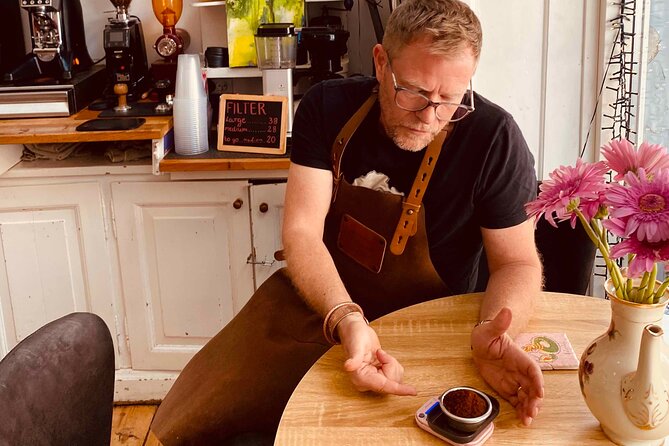
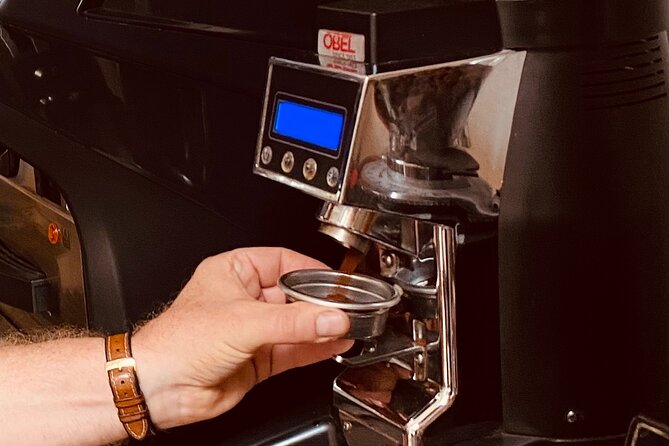
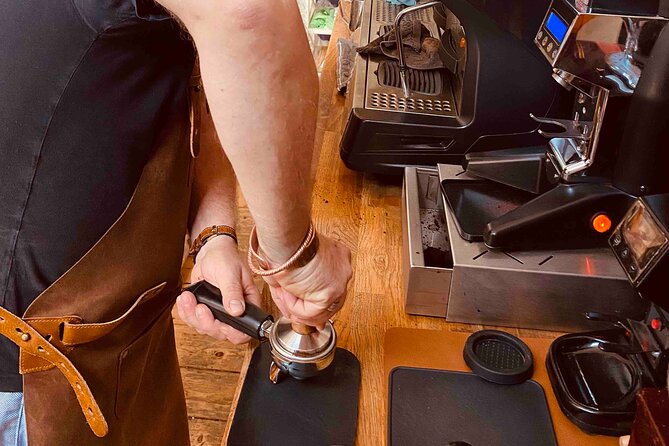
Here’s what I think makes this class work so well: it teaches espresso as a process, not a mystery. You’ll learn how to make the perfect espresso through a sequence of steps, and the big message is that every step matters because the final cup reflects what happened along the way.
The class emphasizes that this workflow applies beyond one specific setup. You’ll get clarity on how the steps support great espresso whether you’re using a commercial machine or a home espresso machine. That’s a real advantage for you if you don’t plan to install commercial gear at home. You’ll still walk away understanding the logic behind the shot: consistency first, then adjustments.
Now, what does that mean in practical terms for your kitchen? It means you’ll be better prepared to troubleshoot. Instead of randomly changing grind size, dose, or technique all at once, you’ll have a reference point for what to tackle first. That alone can save you time (and coffee beans).
Espresso is unforgiving. Tiny changes can shift taste, extraction, and balance. So the best lesson is the one that helps you maintain control over variables. A step-by-step approach is exactly how you get that control.
Breakfast matters here: egg, croissant, orange juice, and coffee of your choice
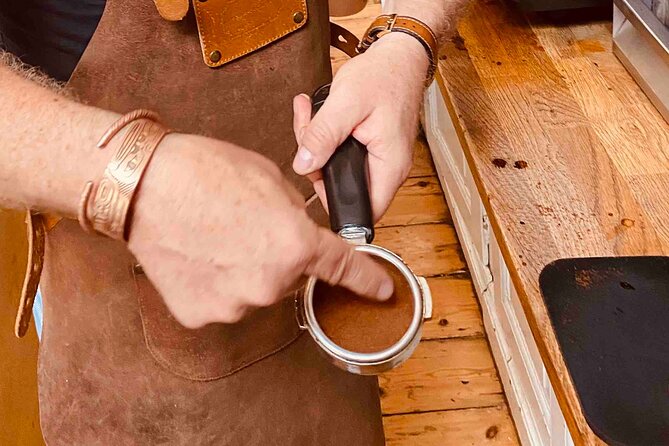
This experience isn’t just coffee education with a token snack. You’ll start your morning with a mini-breakfast while you learn. You get fresh orange juice, an egg (boiled, either soft or hard depending on what you choose), a croissant, and a coffee of your choice.
That combo is smart for two reasons.
First, it keeps you from arriving hungry. Espresso classes can make you focus hard, and a real breakfast means you can stay present for the hands-on part without feeling drained. You’ll be able to pay attention to what you’re doing because your body isn’t stuck in the mode of please-feed-me-now.
Second, pairing coffee with breakfast helps you notice how taste changes from sip to bite. Orange juice adds brightness, the croissant adds buttery comfort, and egg brings a savory anchor. Together, they make the coffee experience feel more like a morning ritual than a technical exercise.
And yes, you’ll get a coffee to drink during the class—choose what you want from the options provided. It’s a small detail, but it makes the whole thing feel less like a lecture and more like a shared brunch moment with structure.
Pulling your own shot: the hands-on finale that sticks
The class culminates with a big payoff: each participant makes their own espresso. This is where the experience becomes memorable.
Watching espresso being made can be satisfying, but it doesn’t teach your hands what “right” feels like. When you pull your own shot, you learn in the only way that counts: by doing the steps, seeing the result, and understanding what changed.
Because the class is small, Mark and the guide can guide you while you practice. That’s the difference between a self-guided brewing video and a real lesson in a real café. You get immediate feedback and you can ask follow-ups on the spot.
There’s also an extra layer of authenticity. Since the class runs while the café is open, the shop’s flow is live. In some cases, you might end up making espresso for a customer if things line up. Even if you don’t, you’ll still see how espresso fits into the café’s actual rhythm rather than becoming an isolated activity.
That matters for you if you’re trying to replicate café-quality espresso at home. You’re not just learning a method. You’re learning how a method works under time pressure, real workflow, and real expectations—because that’s what real coffee service is like.





Price and value: what you’re really paying for at $38.99
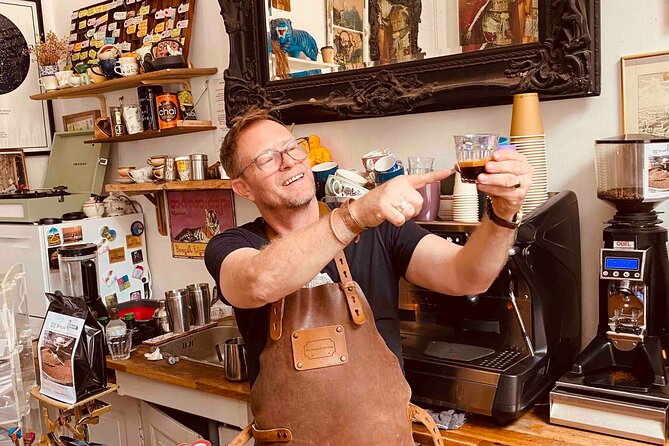
At $38.99 per person, this isn’t a cheap add-on. But it also isn’t overpriced for what you get—especially because the class includes breakfast and hands-on espresso training in a local café setting.
Here’s the value breakdown I see:
- You learn step-by-step espresso technique from the owner, Mark, with SCA certification mentioned for his barista/roaster experience.
- You get breakfast included: egg (soft or hard), croissant, fresh orange juice, and a coffee of your choice.
- You practice personally, since each participant makes their own espresso.
- Group size stays small (max 10), which keeps the instruction from feeling generic.
Also, you’ll notice that this kind of experience tends to book steadily. The average booking window is 27 days in advance, which tells me it’s popular enough that you shouldn’t wait until the last minute if you want a specific date.
So the real question isn’t just whether the price feels okay. It’s whether you want to invest 90 minutes into learning espresso in a way that actually changes what happens at your home machine—or your next café order. If you’re serious about coffee (or you want to become serious), the value makes sense.
Who this class is best for (and who should skip it)
This experience fits best if you:
- Love coffee and want practical espresso skills you can reuse at home
- Prefer learning in a small group where you can ask questions
- Like authentic neighborhood experiences more than polished tourist setups
- Enjoy brunch, but want your breakfast to come with real meaning
It may be less ideal if you:
- Want a silent classroom and don’t enjoy shared café energy
- Expect a large, structured tour with lots of sightseeing stops
- Are looking only for general coffee tasting without technique focus
Because the class happens during opening hours, it’s naturally more social and lively than a closed workshop. For many people, that’s the point.
Should you book Brew and Brunch? My call
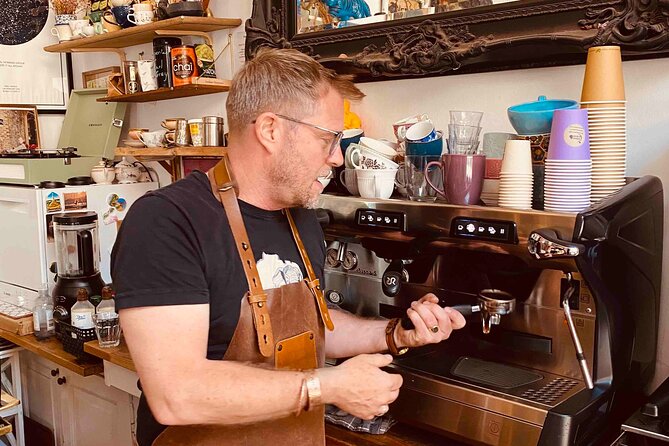
Yes, I’d book it if you want espresso technique you can repeat. This class doesn’t just hand you caffeine and a vague tip. It gives you a step-focused workflow, then lets you practice by making your own espresso. Pair that with breakfast (egg, croissant, fresh orange juice, and a coffee of your choice) and a small group led by Mark, and you get a morning that feels both educational and genuinely local.
If you’re the type who gets frustrated when espresso goes wrong, the step-by-step approach is exactly what you’ll appreciate. You’ll leave with a clearer plan for what to do next time, not just a fun story.
FAQ
What’s included in the breakfast?
You’ll be served boiled egg (soft or hard), a croissant, fresh orange juice, and a coffee of your choice.
How long is the class?
The experience lasts about 1 hour 30 minutes.
How many people are in the group?
The group is limited to a maximum of 10 travelers.
Where do we meet, and does it end nearby?
The class starts at Holmbladsgade 14, 2300 København and ends back at the meeting point.
Will I make my own espresso?
Yes. The class culminates with each participant making their own espresso.
What languages are offered for the guide?
The guide is listed for English, Portuguese, German, and French.
More Tour Reviews in Copenhagen
Eat Your Way Around Copenhagen



Fresh Off the Cobbles: The Newest Copenhagen Reviews









Copenhagen Food Tours & Smørrebrød, compared.
 ★ 5.0The Copenhagen Culinary Experience Food TourFrom $149959 reviews
 ★ 4.8Copenhagen’s oldest and original food tour (Est. 2011).From $141442 reviews
 ★ 5.0Skip the Line: Disgusting Food Museum Entrance TicketFrom $25359 reviews
 ★ 4.73-Hour Culinary Bike TourFrom $110301 reviews
 ★ 5.0Copenhagen Food & Drink Private Tour: Scandinavia Delight TastingFrom $197236 reviews
 ★ 5.03-hour Culinary Bike Tour in EnglishFrom $107235 reviews
 ★ 4.5Malmö: Disgusting Food Museum Entrance TicketFrom $24234 reviews
 ★ 4.5Copenhagen Private Food Walking Tour with 6 or 10 TastingsFrom $202177 reviews
Browse the lists this tour appears in